
Rupert of Hentzau: Odd, a man not knowing his own brother. But I assure you, they’re enough alike to be twins.
Michael, Duke of Strelsau: You’re trying to tell me the man I saw crowned is an impostor?
Rupert of Hentzau: Not your type of fiction, I see, Your Highness. Too incredible. But still, these things do happen. I knew twin sisters once who – but that’s another story…. I see Your Highness isn’t interested. Shall I go to market elsewhere?
Michael, Duke of Strelsau: If what you say is true, why hasn’t the king been heard from? Where is he?
Rupert of Hentzau: He’s in a woodcutter’s cabin. Oh, and by the way, royal blood is not blue as most people think, it’s red. I know. I had to spill a little.
Michael, Duke of Strelsau: You’ve abducted him?
Rupert of Hentzau: It’s an old medieval custom: Abducting kings!
The Paternal Line Ancestry of Barbara Blair
Due to the historical importance of some of Barbara Blair’s ancestors, this article proved to be rather longer than anticipated and so it has been split into three parts: (a), (b) & (c)

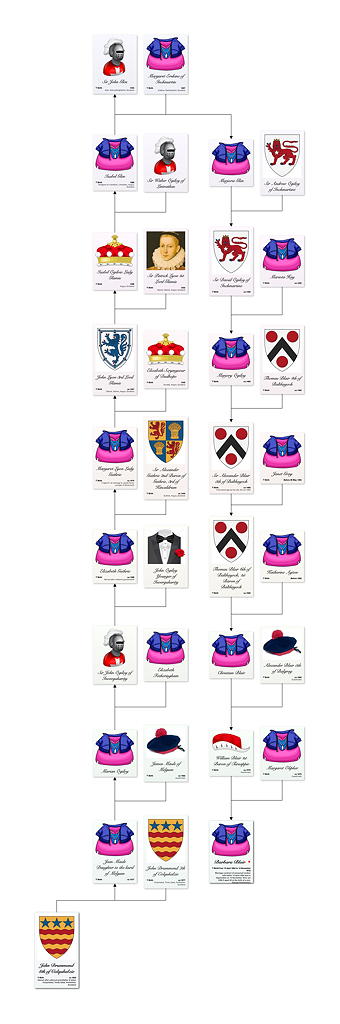
The chart above shows the first eight generations of the ancestors that we have, so far, managed to determine for Barbara Blair’s father, William Blair, 1st Baron of Tarsappie. We have not included her maternal line as it has not been determined conclusively which of his two wives was her mother. For Barbara Blair’s maternal line we have only been able to determine the identity of her probable mother, Margaret Olipher and maternal grandfather, William Olipher in Layston. However, some of her paternal lines can be traced back to the mists of time and it can occasionally be difficult to know exactly where history ends and myths and legends begin.
Barbara Blair’s direct paternal line can be traced back via the Blairs of Balgray to Patrick Blair, 1st of Melginch and his father, Patrick Blair.
Meanwhile, Barbara’s maternal grandmother, Christian Blair, was a daughter of Thomas Blair, 6th of Balthayock & 1st Baron of Balthayock whose line can be traced back a further 12 generations to someone named Vallenus, for whom there is historical evidence, but nothing of certainty known other than that he was the father of Stephen Blair, ancestor of the Balthayock Blairs.
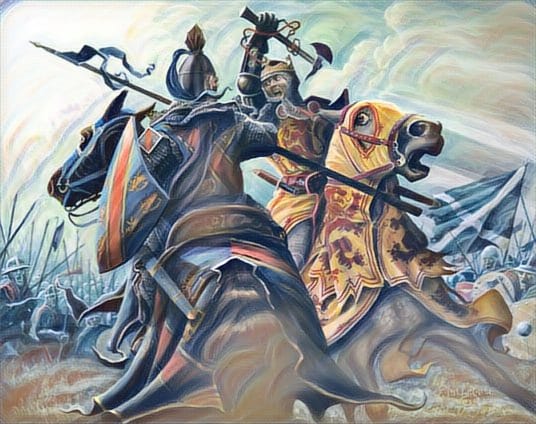
The Balthayock Blairs were well-connected with, for example, King Robert the Bruce appearing three times in our ancestry tree for Thomas Blair, 6th of Balthayock & 1st Baron of Balthayock.
Barbara Blair was also descended from the Oliphants – and so potentially from the Counts of Boulogne as discussed previously. Other families from which she was descended include those of Olgily, Glen, Erskine, Gray, Forbes, Douglas, Stewart and Drummond.
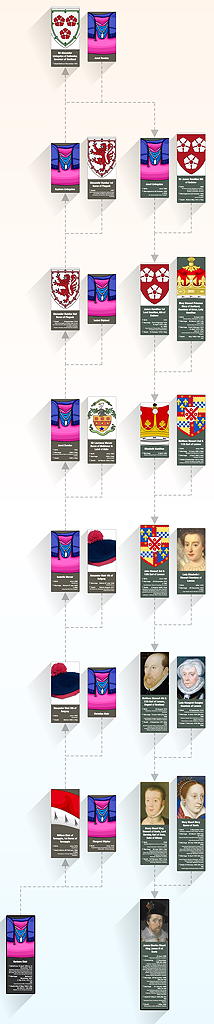
Amongst Barbara Blairs 6x-grand-parents, we can find the second Stewart Monarch, King Robert III and his Queen, Annabella Drummond.
This means that Barbara Blair was actually one generation closer to the Royal House of Stewart than her husband, John Drummond, 8th of Colquhalzie, who was descended from King Robert III’s father, King Robert II, via Robert Stewart, 1st Duke of Albany. (It should be noted that King Robert III was christened as John, but this was deemed to be an unlucky name for a king (eg John Balliol and King John of Bohemia, who was killed at the battle of Crecy in 1346). John Stewart therefore took the regnal name of King Robert III, after his father, and maternal grandfather, King Robert the Bruce.
Via their common Royal Stewart ancestors, (King Robert II and his first wife, Elizabeth Mure of Rowallan, Countess of Atholl & Strathearn – who died before her husband succeeded as King) John Drummond, 8th of Colquhalzie and Barbara Blair were 8th cousins once removed.
Via their common Drummond ancestors, (Sir John Drummond of Stobhall and his first wife Mary Montifex, Heiress of Auchterarder and Cargill (Stobhall)), John Drummond, 8th of Colquhalzie and Barbara Blair were 7th cousins twice removed.
Sir John Drummond later married, around 1359, Margaret Graham, who succeeded her mother on 29th April 1360 to become Countess of Menteith suo jure. However, he appears to have died in 1360, either before she succeeded or before he could become Earl of Menteith jure uxoris – in right of his wife.
The closest relationship that we have so far determined for John Drummond, 8th of Colquhalzie and Barbara Blair is as 7th cousins once removed via Sir John Glen and Margaret Erskine of Inchmartin.
The Arms of the Family and Ancestors of Barbara Blair
The images below show some of the arms possessed by members of the family and ancestors of Barbara Blair.
First Generation
John Drummond, 8th of Colquhalzie
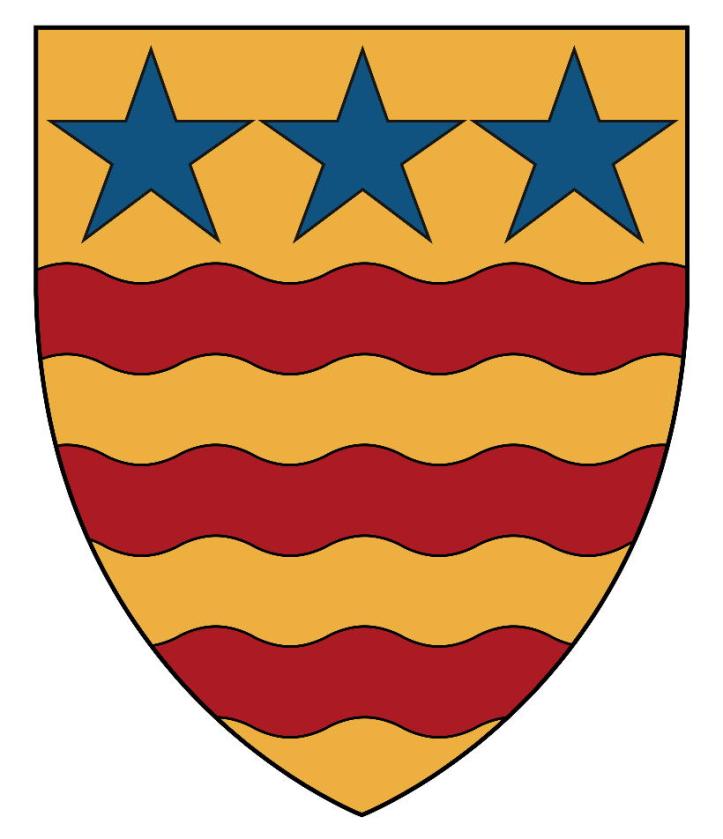
Image credit: Wappenwiki.
The Drummonds of Colquhalzie have been discussed previously. In that article we reported that John Drummond, 8th of Colquhalzie was the great (x8) grandson of the first Stewart King, Robert II and his wife Elizabeth Mure of Rowallan.
We have since discovered that John Drummond was their great (x8) grandson in no less than four different lines of descent.
We have also discovered John Drummond, 8th of Colquhalzie was the great (x8) grandson of the second Stewart King, Robert III via his illegitimate son, Sir John Stewart of Auchingoun, Blackhall & Ardgowan.
Fourth Generation
Thomas Blair, 6th of Balthayock & 1st Baron of Balthayock,
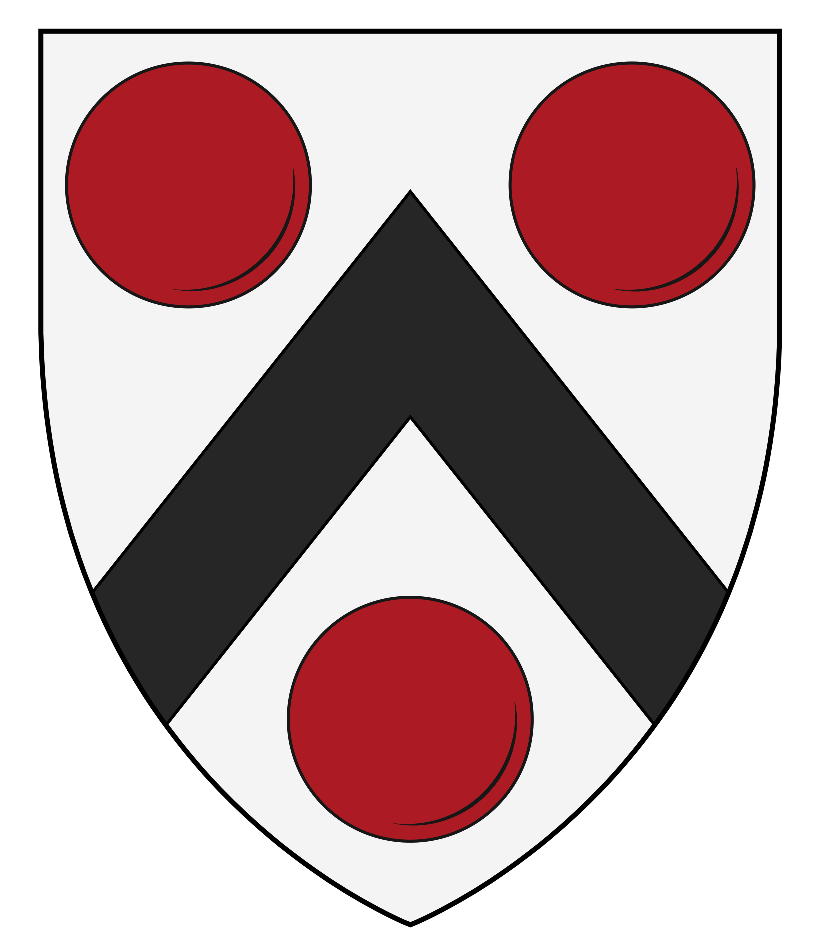
Image credit: Wappenwiki.
The Blairs have been discussed in detail in The Royal Stewart ancestry of Barbara Blair, wife of John Drummond, 8th of Colquhalzie: Part 2 The Royal Stewart Connection.
Fifth Generation
Sir Laurence Mercer, Baron of Meikleour & Laird of Aldie
Image credit: Mercer Millions: About Mercer families of Scotland.
The Mercers family become nobility, as opposed to gentry, in 1362, when the second King of the Bruce dynasty, King David II, granted the barony of Meikleour to John Mercer, a wealthy merchant from Perth. John Mercer had served as a royal counsellor and was “frequently Scotland’s ambassador to England, France and Holland”.
Sir Laurence Mercer’s father, Henry Mercer of Meikleour was one of the Flowers of the Forest who were killed at the disastrous Battle of Flodden on 9th September 1513.
See The Mercers Millions for further information regarding the Mercer family and Handed On for information regarding Meikleour House.
Sixth Generation
Alexander Dundas, 2nd Baron of Fingask
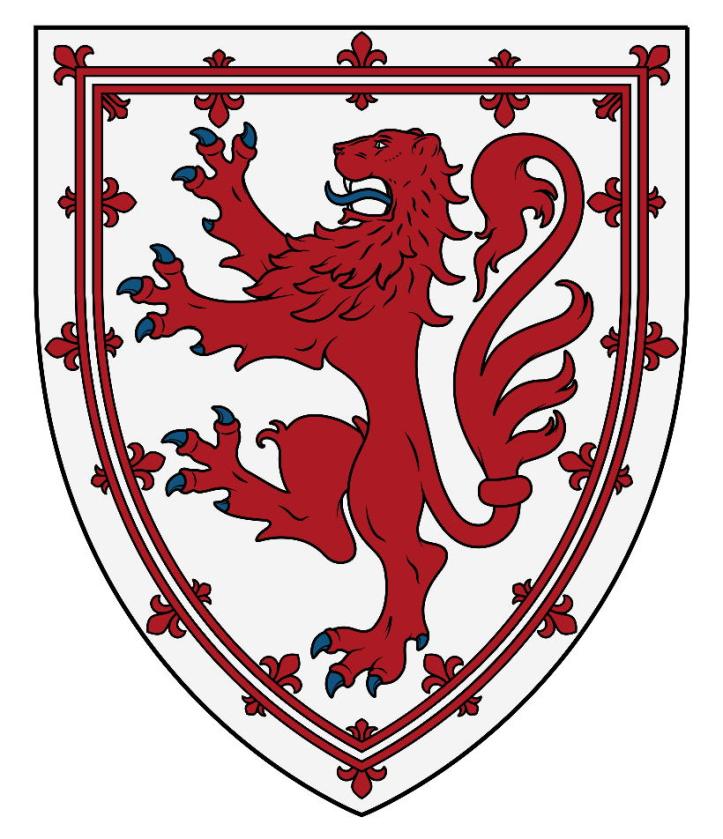
Image credit: Wappenwiki.
As with Henry Mercer of Meikleour, Alexander Dundas, 2nd Baron of Fingask was killed in 1513 at the Battle Flodden, along with four of his sons.
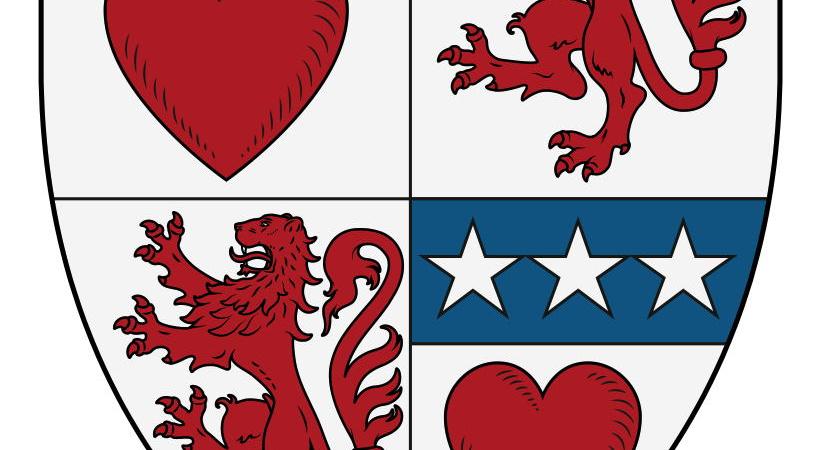
Alexander Dundas married Eupham Livingston a daughter of Sir Alexander Livingston of Callendar, Governor of Scotland, and it may be because of this marriage that he added the fleur-de-lis bordure to the traditional Dundas arms – see the arms of his father, James Dundas, 11th of Dundas, below.
Seventh Generation
Sir Robert Douglas of Lochleven
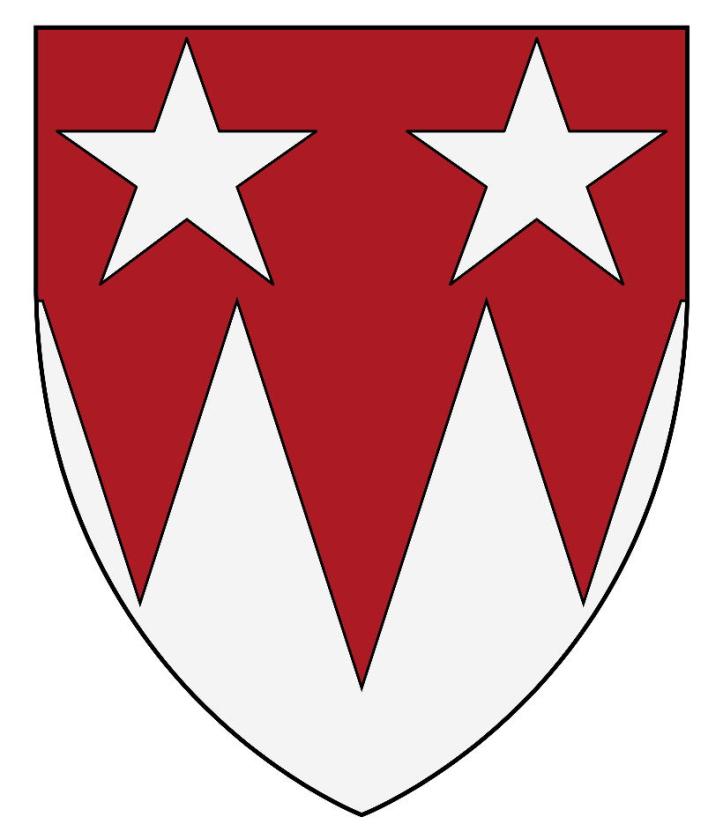
Image credit: Wappenwiki.
As with Henry Mercer of Meikleour and Alexander Dundas, 2nd Baron of Fingask, Sir Robert Douglas of Lochleven was killed in 1513 at the Battle Flodden, while his great grandson, another Sir Robert Douglas of Lochleven, was killed on 10th September 1547 at the Battle of Pinkie.
The latter Sir Robert had two sons who became earls, firstly William Douglas who became 6th Earl of Morton, and secondly Robert Douglas who became Earl of Buchan in right of his wife, Christian Stewart, 4th Countess of Buchan, suo jure.
Laurence Oliphant, 1st Lord Oliphant
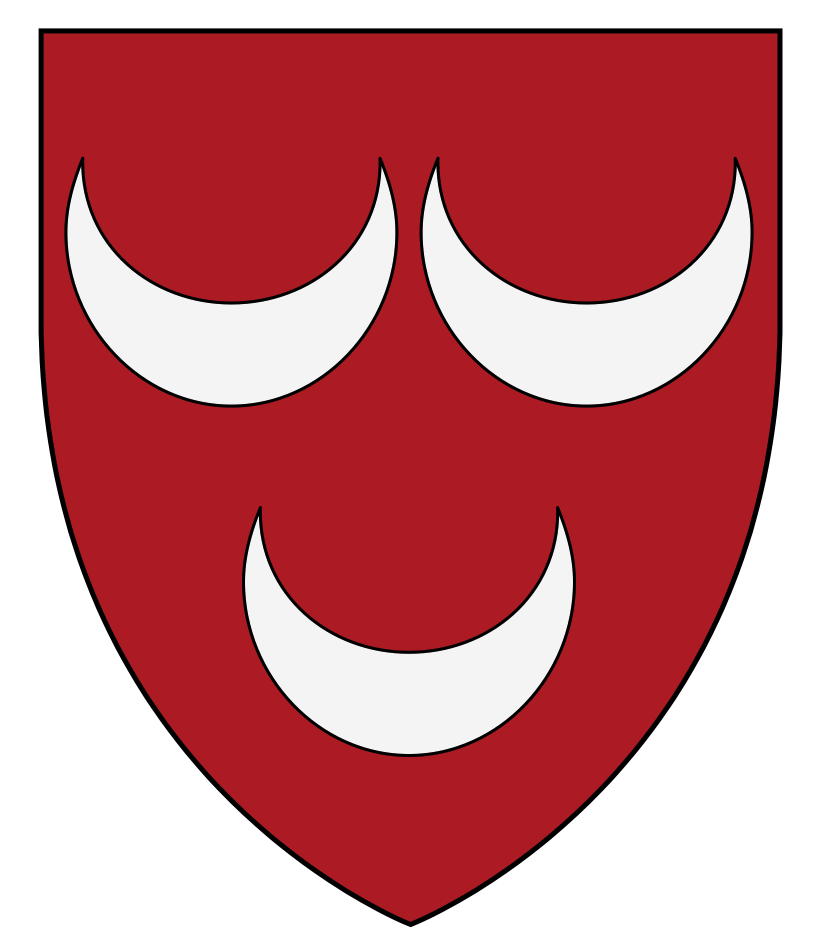
Image credit: Wappenwiki.
Laurence Oliphant was the eldest son and heir of Sir John Oliphant, laird of Aberdalgie and Margaret Ogilvie, a daughter of Sir Patrick Ogilvie of Auchterhouse, and Christian Keith. Born around 1438, his father was killed fighting in a feud between his Ogilvie brother-in-law and the Lindsays on 23rd January 1445 when Laurence was seven or eight years old.
Laurence Oliphant was created 1st Lord Oliphant [Scotland] by King James III some time before 13th January 1464 (1463 Old Style).
Laurence Oliphant married Elizabeth Hay, a daughter of William Hay, 1st Earl of Erroll.
He had a number of siblings including two brothers, James Oliphant, 1st of Ardchailzie and John Oliphant. His sister Christian married Alexander Blair of Balthayock, while Elizabeth married James Herring of Tullibole & Lethendy and Margaret married Sir Henry Wardlaw of Torrie.
Sir David Ogilvy of Inchmartine
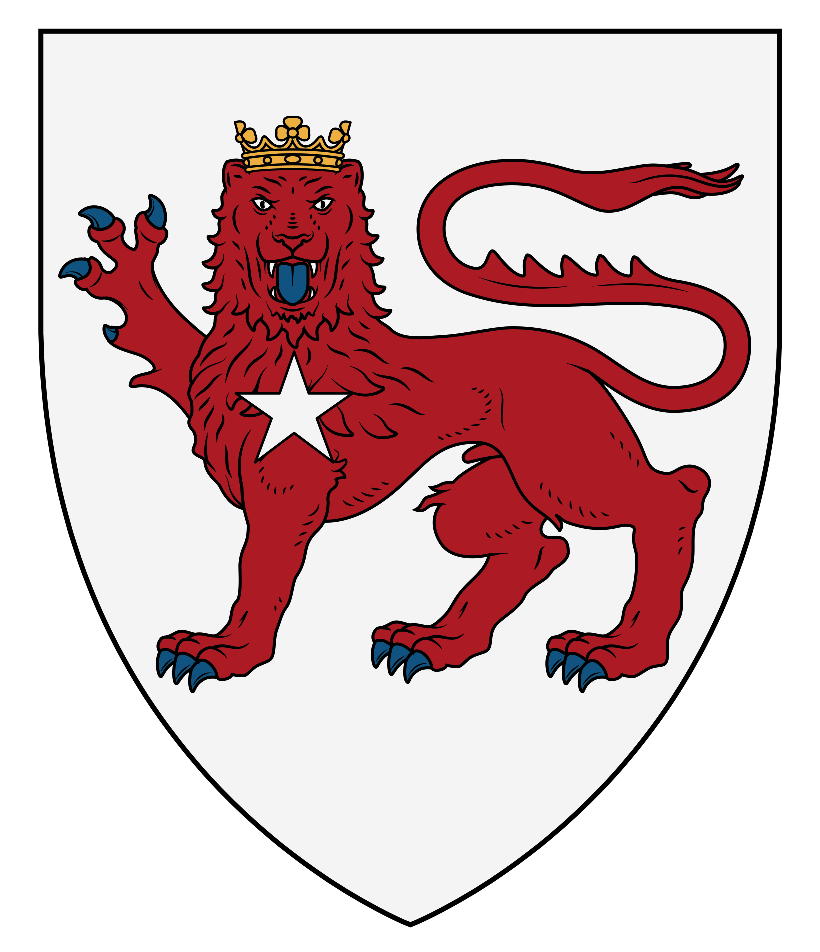
Image credit: Wappenwiki.
Sir David Ogilvy of Inchmartine was the son of Sir Andrew Ogilvy of Inchmartine and Marjorie Glen.
He married Mariota Hay and was the father of James Ogilvy of Balgally and of Inchmartine, who was killed at the Battle of Flodden in 1513.
Sir David Ogilvy’s mother, Marjorie Glen was the son of Sir John Glen, son of Margaret Bruce, the illegitimate daughter of King Robert “the Bruce“. This meant that Sir David was the great (x2) grandson of Scotland’s hero king.
Andrew Gray, 1st Lord Gray
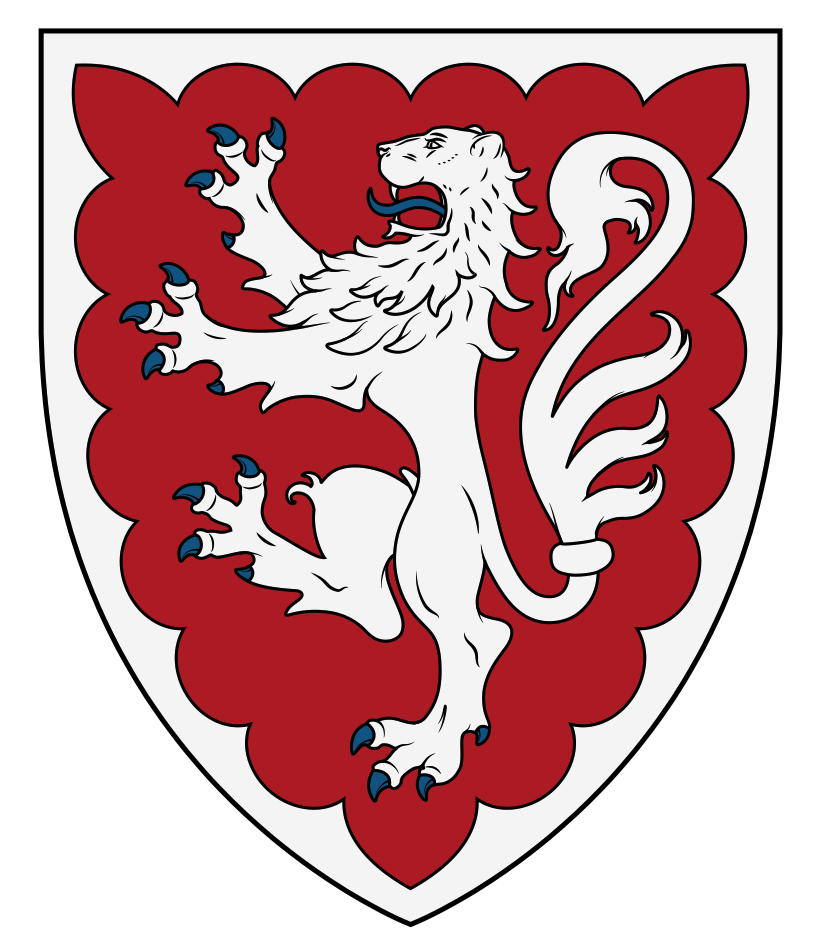
Image credit: Wappenwiki.
Andrew, 1st Lord Gray was discussed in The Royal Stewart ancestry of Barbara Blair, wife of John Drummond, 8th of Colquhalzie: Part 2 The Royal Stewart Connection.
Alexander Forbes, 1st Lord Forbes
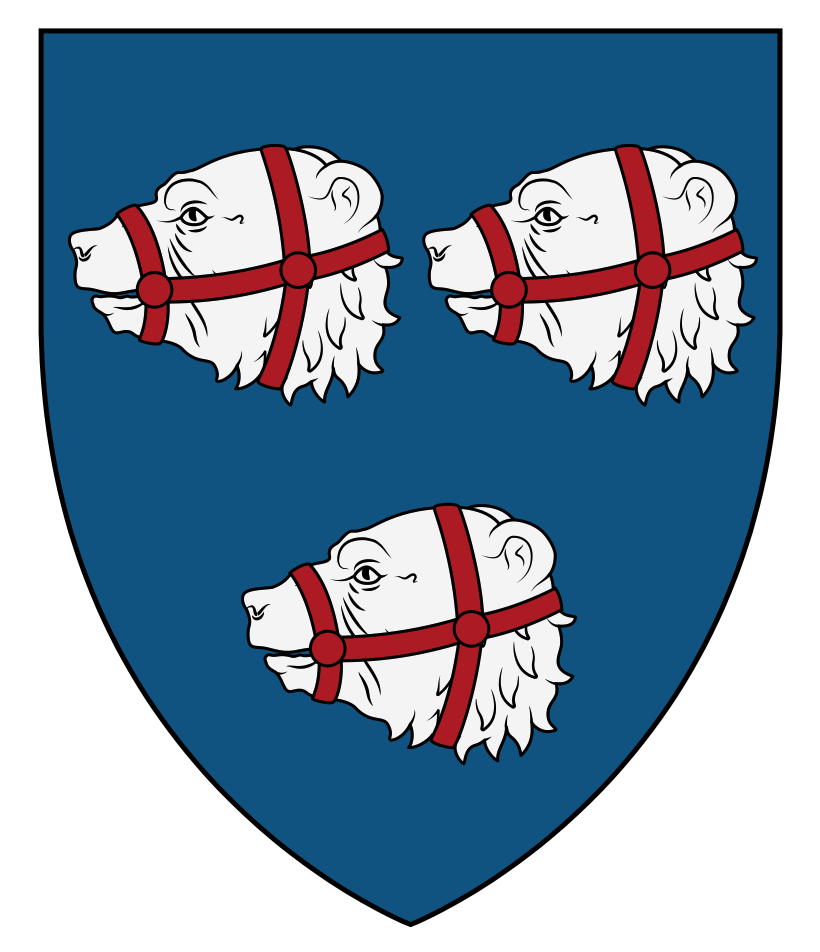
Image credit: Wappenwiki.
Alexander Forbes, 1st Lord Forbes was discussed in The Royal Stewart ancestry of Barbara Blair, wife of John Drummond, 8th of Colquhalzie: Part 2 The Royal Stewart Connection.
Eighth Generation
Henry Wardlaw, 6th of Wilton & 3rd of Torry
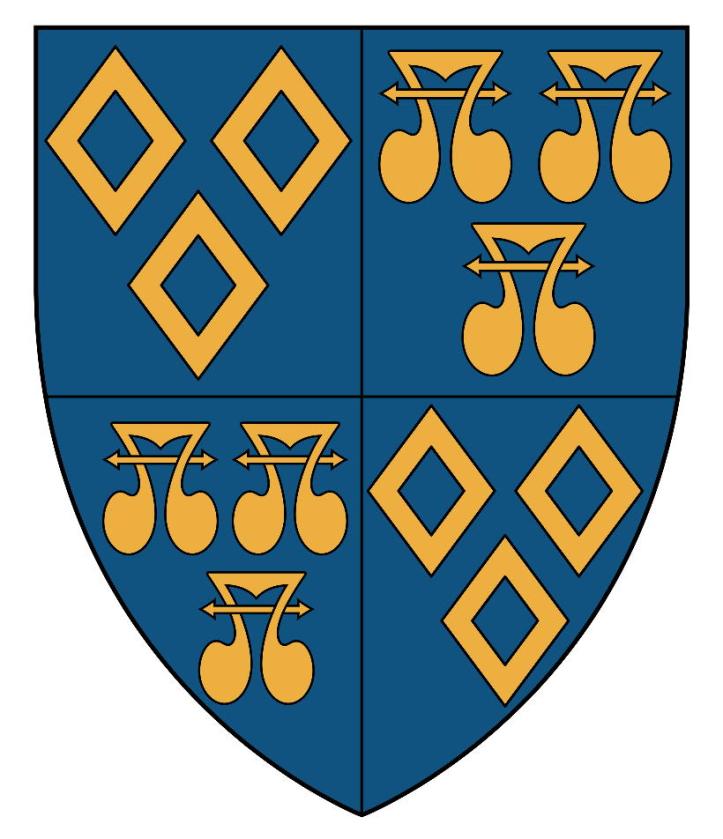
Image credit: Wappenwiki.
The two sets of three unusual symbols on Henry Wardlaw’s arms are water carriers. These were quartered with the Wardlaw lozenges when Henry’s grandfather, Sir Andrew Wardlaw, 4th of Torry married Christian de Valognes (or de Valoniis), the Baroness of Wester Lochore & Torrie suo jure.
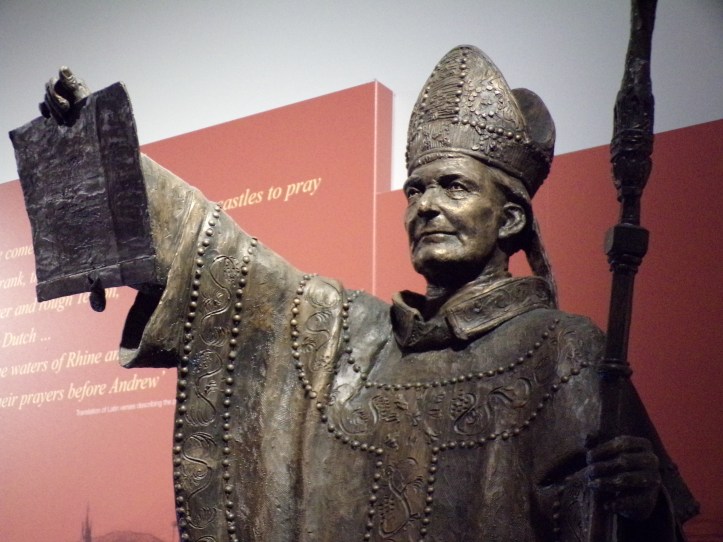
Copyright: Museum of the University of Saint Andrews.
Henry Wardlaw’s great (x3) uncle was Walter Wardlaw, Bishop of Glasgow, while his great (x2) uncle was Henry Wardlaw, Bishop of Saint Andrews, who was mentioned in The East Lothian Prides’ links to Fife. Part 2: Wemyss & Torryburn.
James Dundas, 11th of Dundas
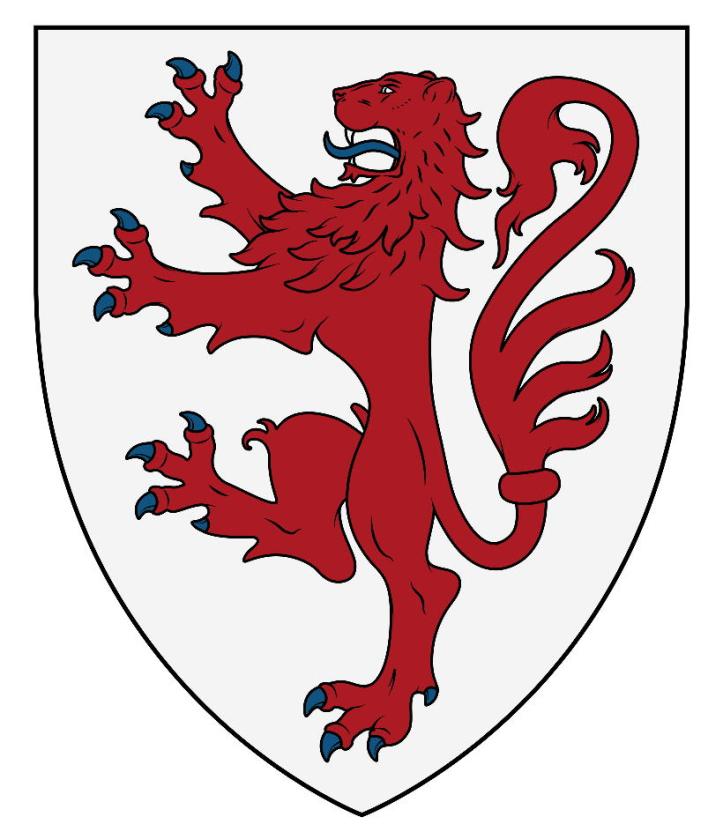
Image credit: Wappenwiki.
James Dundas was the great (x7) grandfather of Henry Dundas, 1st Viscount Melville. The latter served under Prime Minister William Pitt in a number of roles including Lord of Trade, Home Secretary, War Secretary, and First Lord of the Admiralty . Melville had near-absolute control of politics in Scotland and was known as “King Harry the Ninth” and “The Uncrowned King of Scotland.”
Sir Alexander Livingston of Callendar, Governor of Scotland
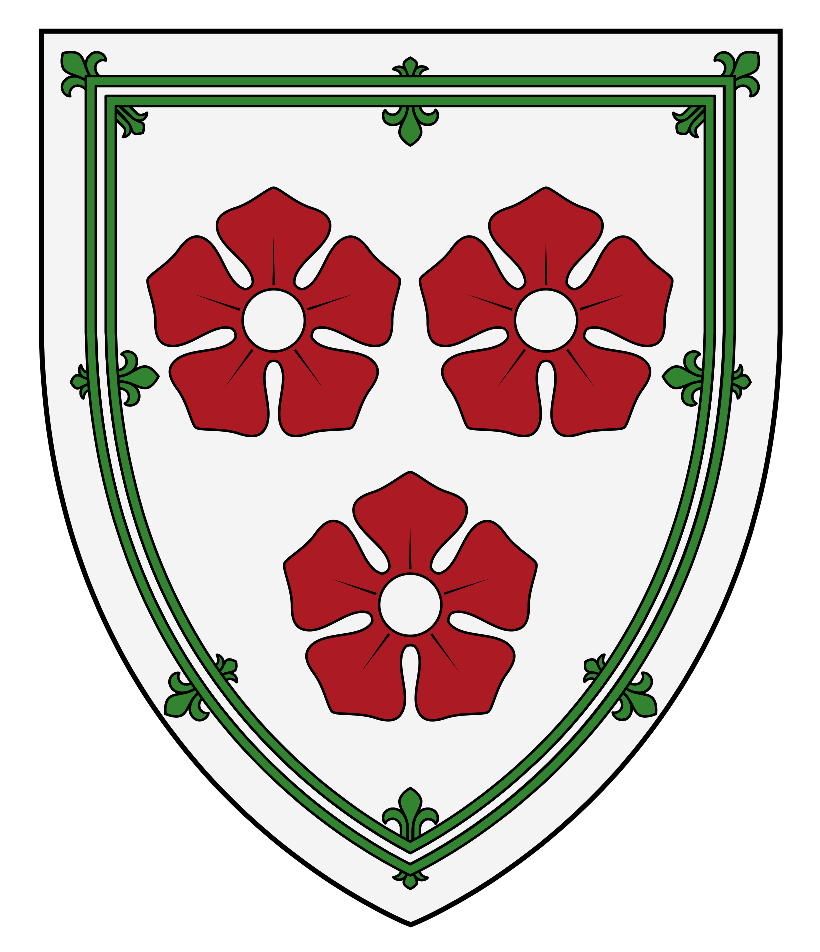
Image credit: Wappenwiki.
Alexander Livingston of Callendar (circa 1375 – 1451) was Justiciar of Scotland, guardian of Stirling castle and Guardian of King James II during his minority. Livingston rose to power by traditional means – he imprisoned the King’s mother, Joan Beaufort, widow of the murdered King James I.
Livingston’s main rival was William Crichton, 1st Lord Crichton, the governor of Edinburgh Castle, and over a decade or so these were two of the most powerful men in Scotland, along with the Earl of Douglas.
Following the death of Archibald Douglas, 5th Earl of Douglas, Livingston, Crichton and James Douglas, Earl of Avondale (the 6th earl’s uncle) shared power. Together they conspired to break the power of the late Archibald Douglas’s family, and in 1440, they summoned William, 6th Earl of Douglas and his younger brother David to Edinburgh Castle. At the so-called “Black Dinner” in the castle the two youths were arrested and beheaded, despite the protests of the ten year-old King James II.
The murdered earl’s successor was his great uncle James “the Gross” who took no steps to avenge his predecessor, but after his death in 1443 his sons were active in plotting with the English and other powerful Scottish nobles against the Stewarts. On 26 January 1452, at Stirling Castle, King James II demanded that Douglas dissolve the pact into which he had entered with Alexander Lindsay, the “Tiger” Earl of Crawford, and John MacDonald of Islay, Lord of the Isles & Earl of Ross. Upon Douglas’s refusal, he was reputedly stabbed 26 times, by the king and his courtiers. According to the Auchinleck Chronicle, Sir Patrick Gray, “struck out his brains with a pole axe“, and the body of the 8th Earl of Douglas was thrown out of a window.
By 1449, King James II had assumed personal power and married Marie von Egmond, daughter of the Duke of Guelders. Several of Livingston’s influential relatives were executed and he fled to exile outside Scotland. Despite Livingston’s fall from grace, his line continued and in 1600, his great (x5) grandson, another Alexander Livingston was created 1st Earl of Linlithgow by James II’s great (x3) grandson, King James VI.
William Hay, 1st Earl of Erroll, Lord High Constable of Scotland
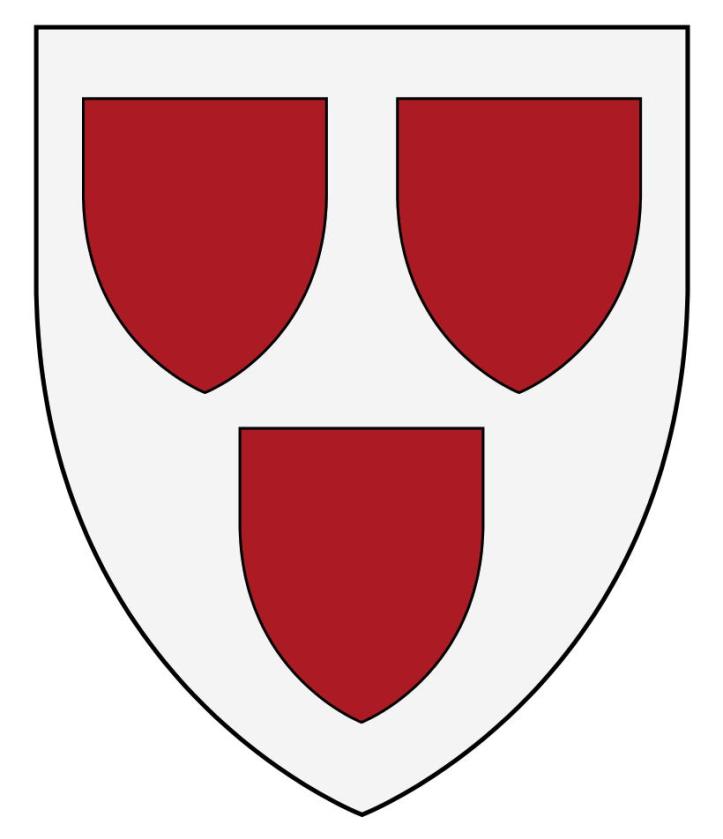
Image credit: Wappenwiki.
The Hays of Erroll were the chiefs of the Hays, with the Hays of Gifford, who became Marquises of Yester, being a junior line. Gilbert Hay, 5th Baron of Erroll was one of the most trusted companions of King Robert “the Bruce” and following the 1314 Battle of Bannockburn he was appointed hereditary High Constable of Scotland.
William Hay succeeded his paternal grandfather to become 2nd Lord Hay in 1437, and in 1452, he was created 1st Earl of Erroll by King James II.
William’s grandfather, the 8th Baron of Erroll, was created 1st Lord Hay before 1430 by King James I. This followed an Act of Parliament of 1428 which noted there was a distinction between Lords of Parliament, who were peers of the realm, Barons, who were nobles, and ordinary lairds, who were gentry.
The 1st Earl of Errol was well-connected as his paternal grandmother, Princess Elizabeth Stewart, was the youngest child of King Robert II and his first wife, Elizabeth Mure of Rowallan. Meanwhile, his wife was Lady Beatrice Douglas, a daughter of James “the Gross“, 7th Earl of Douglas and 1st Earl of Avondale.
William Hay was the ancestor of Josslyn Hay, 22nd Earl of Erroll, who was murdered by an “unknown person” on 24th January 1941 in Happy Valley in Kenya.
Sir John Wemyss of Wemyss & Reres
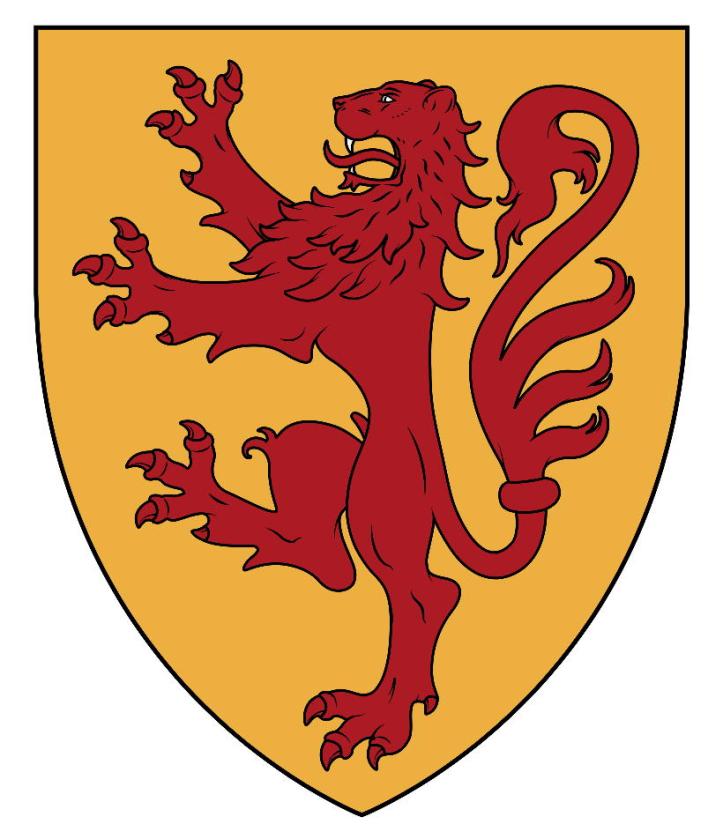
Image credit: Wappenwiki.
Sir John Wemyss was the ancestor of the Earls of Wemyss and also of the Wemyss family who were discussed in The East Lothian Prides’ links to Fife. Part 2: Wemyss & Torryburn. The surname Wemyss is derived from the Scottish Gaelic uaimh which means cave and is believed to be taken from the caves of the Wemyss, Fife, on the north shores of the Firth of Forth, from where the Wemyss family took their name.
Sir John Wemyss held the office of Constable of Castle and town of Saint Andrews in Fife. He acquired Reres and Methil from his kinsman, Sir David Wemyss of Cameron.
Sir John was married, at least twice, to Isabel Erskine, daughter of Sir Alan Erskine of Inchmartin and Isabel Inchmartin and then to Christian Ogilvy, daughter of Sir Patrick Ogilvy of Auchterhouse and Christian Keith. He may also have had a first wife whose name is unknown.
George Douglas, 1st Earl of Angus
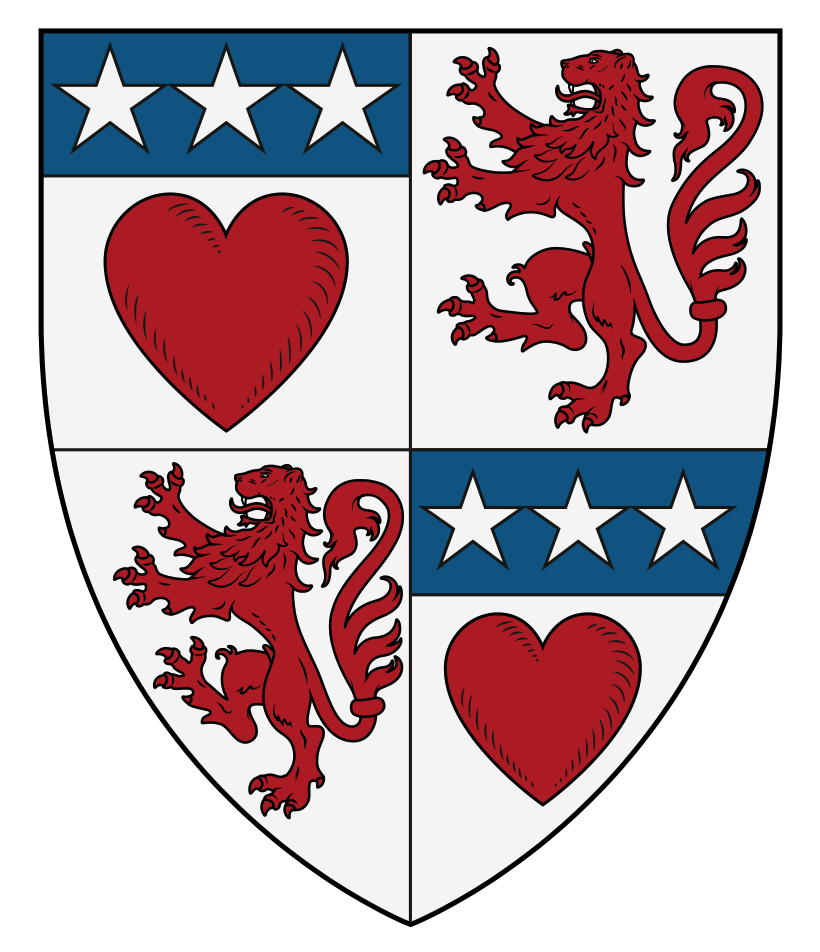
Image credit: Wappenwiki.
George Douglas, 1st Earl of Angus was the illegitimate son of James Douglas, 2nd Earl of Douglas and Margaret Stewart, Countess of Angus, suo jure.
He was the progenitor of the Red Douglas line and was discussed in detail in The Royal Stewart ancestry of Barbara Blair, wife of John Drummond, 8th of Colquhalzie: Part 2 The Royal Stewart Connection.
Conclusion
In this article we have looked at the heraldry of first eight generations of the family and ancestors of Barbara Blair.
In Part 3b and 3c, we will look at a further two generations, the ninth and tenth, taking us back to Marie de Montifex, Baroness of Auchterarder & Cargill (Stobhall), suo jure, the great (x7) grandmother of Barbara Blair.


[…] noted in The Royal Stewart ancestry of Barbara Blair, wife of John Drummond, 8th of Colquhalzie: Part 3a The …, the arms above were those of Wardlaw of Torrie before Sir Andrew Wardlaw, 4th of Torry married […]
LikeLike