
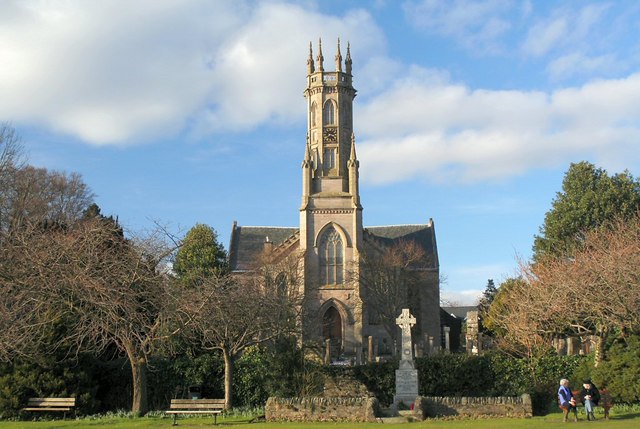
Rhu is a village and historic parish that lies north-west of the town of Helensburgh on the Firth of Clyde on the east shore of the Gare Loch. It is currently in Argyll and Bute, Scotland, but prior to local government reorganisation in 1975 was part of Dunbartonshire.
The traditional spelling of the name was Row, but this was changed in the 1920s so that outsiders would pronounce it correctly. The name derives from the Scots Gaelic rubha meaning point. The parish of Row, containing also the town of Helensburgh and most of the village of Garelochhead, was formed out of Roseneath and Cardross in 1643–1648.
Like many settlements in the area, Rhu became fashionable in the 19th century as a residence for wealthy Glasgow shipowners and merchants. It has its own Community Council, which covers both Rhu and Shandon.
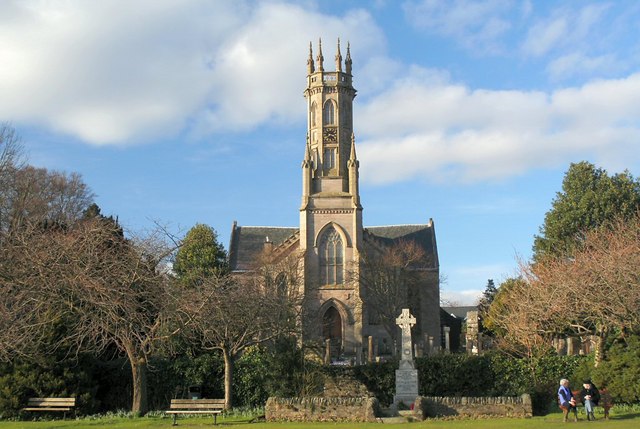
Rhu & Shandon Parish Church, the third to be rebuilt on the site, was designed in 1851 by William Spense. The money for the building of the Church came from Robert Napier of West Shandon and Sir James Colquhoun of Rossdhu. In 1891 Honeyman and Keppie lengthened the nave but preserved Spense’s original front. The Church was further added to in the 1930s with a vestry to the west and additions to the east. The interior was reorganised from 1903-1912. The bell dates from 1851 and was gifted by Robert Napier.
Rhu kirkyard contains the graves of several McAuslands.
1. The Rise and Fall of the McCaslans of Newlandmuir
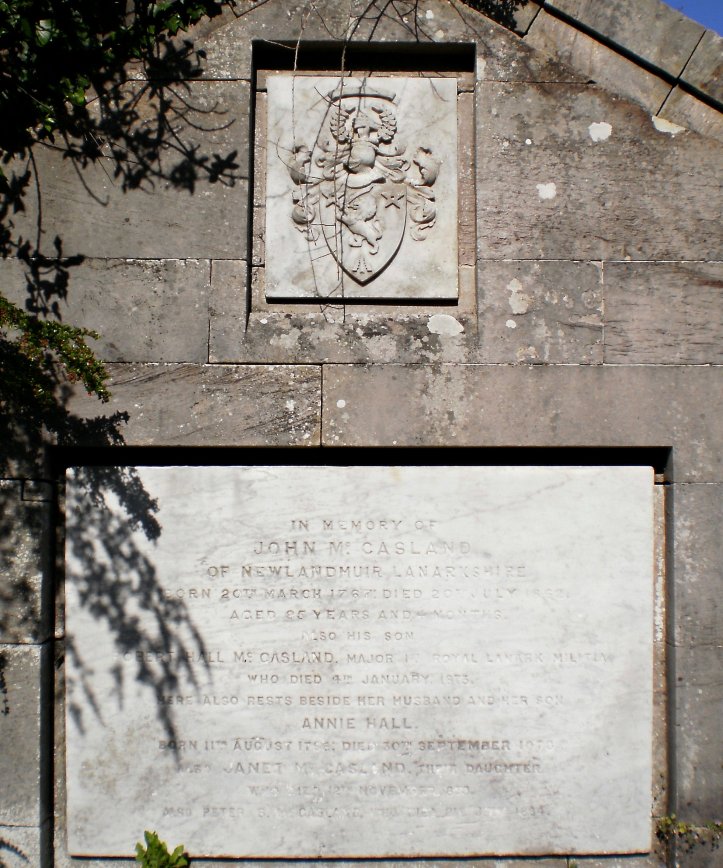
The first of the McCaslands of Newlandmuir was John McCasland (20 March 1767-20 July 1862) who was the youngest son of Robert McCausland, a sheep farmer in Westertoun of Ardincaple. It is not known exactly when he purchased the lands of Newlandmuir or how he made his fortune. However, the 1855 Valuation rolls show a John MacAsland as Proprietor of Newlandmuir Farm in East Kilbride, Lanarkshireand a John MacAslan (without the “d”) as Proprietor & Occupier of Bloomvale House and Crownpoint House in Barony parish.
John McCasland lived to the grand old age of 95, dying in Shettleston in Glasgow and being described as a Landed & House Proprietor. At the 1841 census he was described as aged 70, “Independent” and living at “Bloomvale” in Glasgow, while in 1851 he was described as aged, a landed owner and house proprietor and was living at “Bloomvale, McAsland’s Land” in Glasgow, and in 1861 he was described as aged 94, Landed & House Proprietor, and living at Gartcraig House, Shettleston, Glasgow.
John McCaslan of Newlandmuir was a keen family historian and according to his research, his ancestors had lived at Stuckidow in Glen Fruin for generations; the grant of arms to his son mentions “That it was said the Ancestors of the last mentioned Robert McCausland had been in Stukkidow from a very remote period and extending over nine generations as extracted from an old M.S. Book written by the Petitioner’s Father in and previous to the year Eighteen hundred and thirty four.“
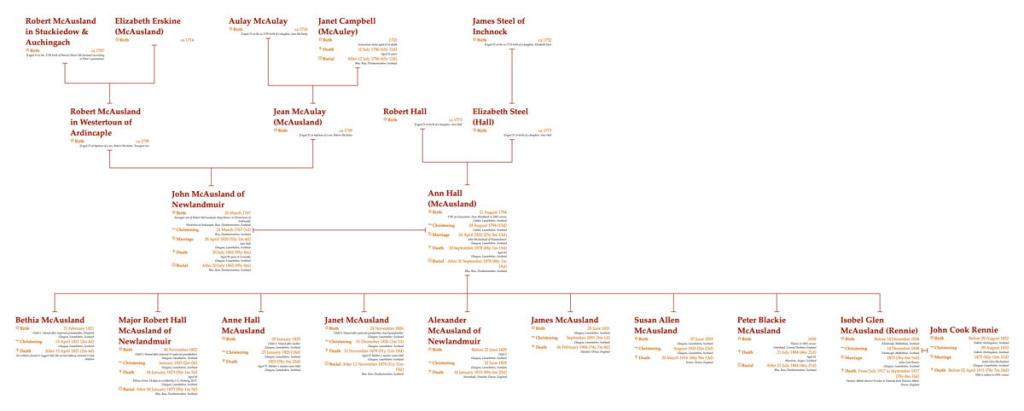
John McCasland did not marry until 1820 when he was aged 53, but he nevertheless went on to have nine children, four boys and five girls. His wife was Ann Hall (11 August 1794-30 September 1878), whose maternal grandfather was James Steel of Inchnock (also known as Steale of Inchnauch).
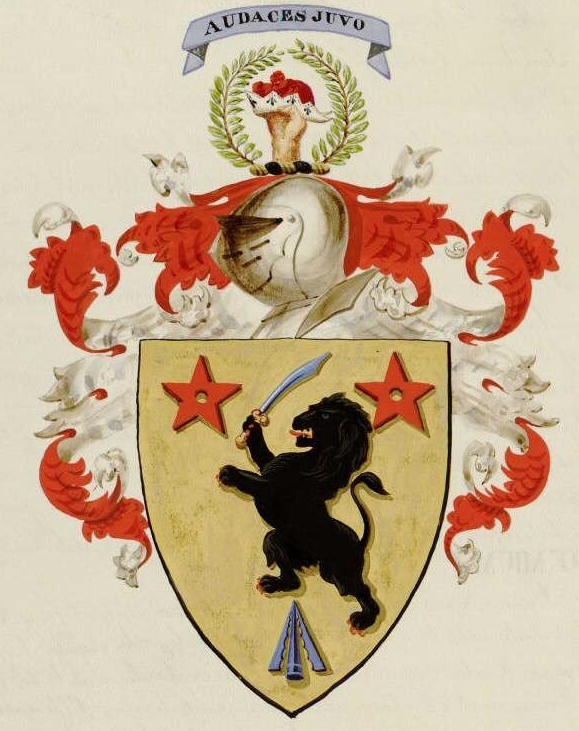
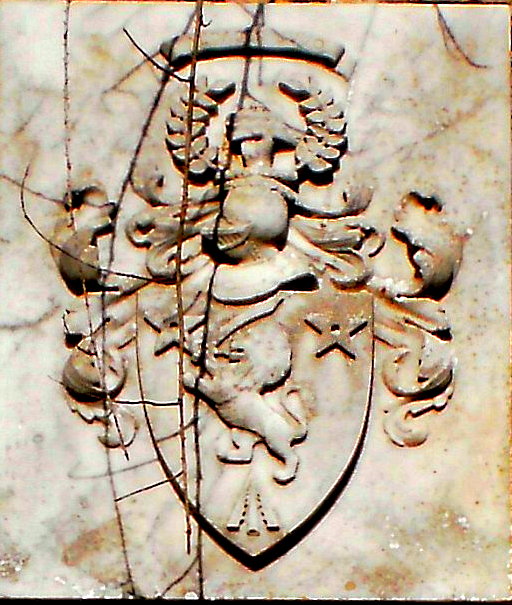
John McCasland succeeded by his eldest son, Major Robert McCasland of Newlandmuir (30 November 1822-04 January 1873) and it was Robert who matriculated arms on 10 February 1863. In 1841, this Robert was described as a Clerk, while in 1851 he was described as “Son of J. McCasland, also proprietor.” John’s second and third sons, Alexander and James were both described as “Merchant Calico Printer.” Several other McAuslands in the Stuckidow line also worked as calico printers and it seems possible that John McCasland may have made his fortune in the business.
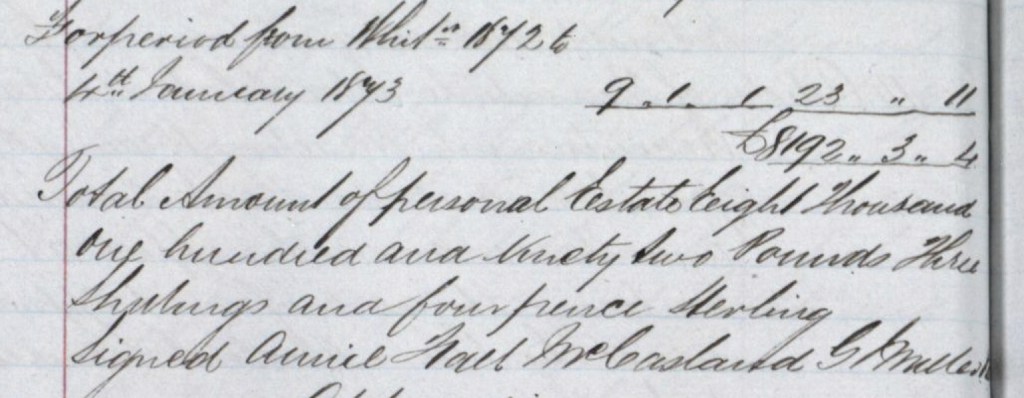
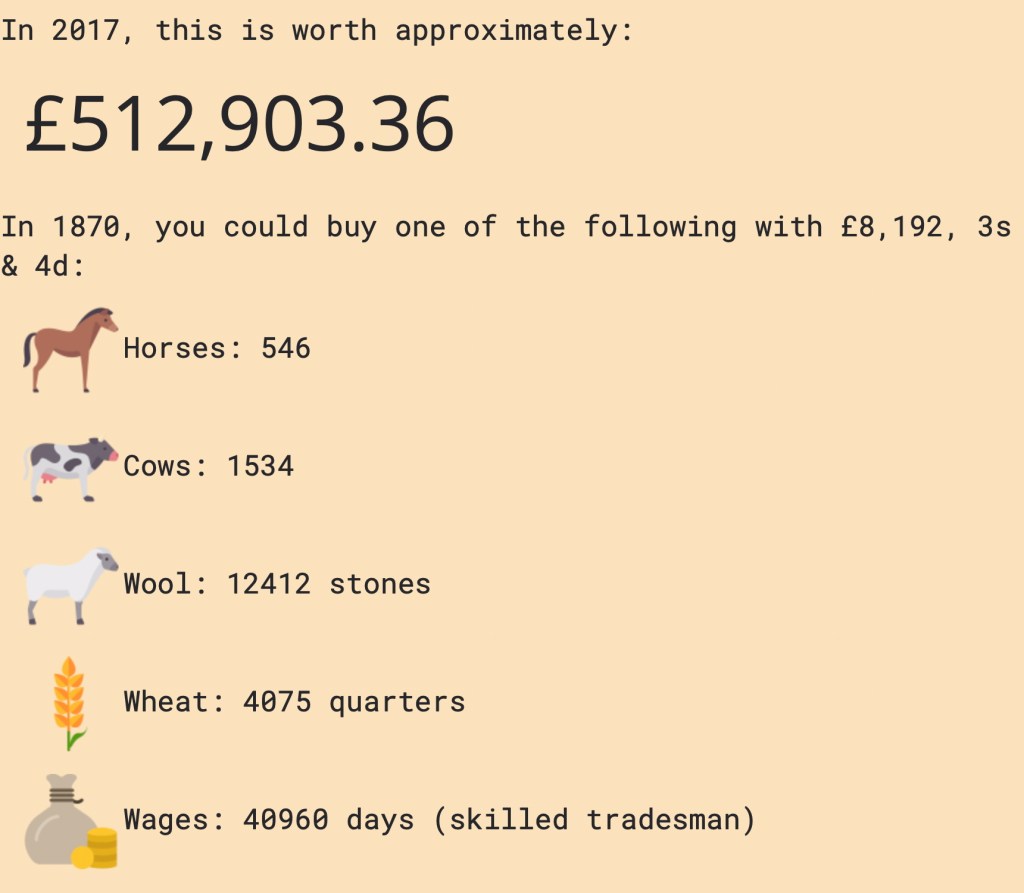
Robert Hall McCasland died on 04 January 1873 and an inventory of his personal estate was prepared on 10 June 1873 indicating that he had left a total of £8,192, three shillings and four pence. According the the National Archive’s currency convertor this was the modern equivalent of over half a million pounds.
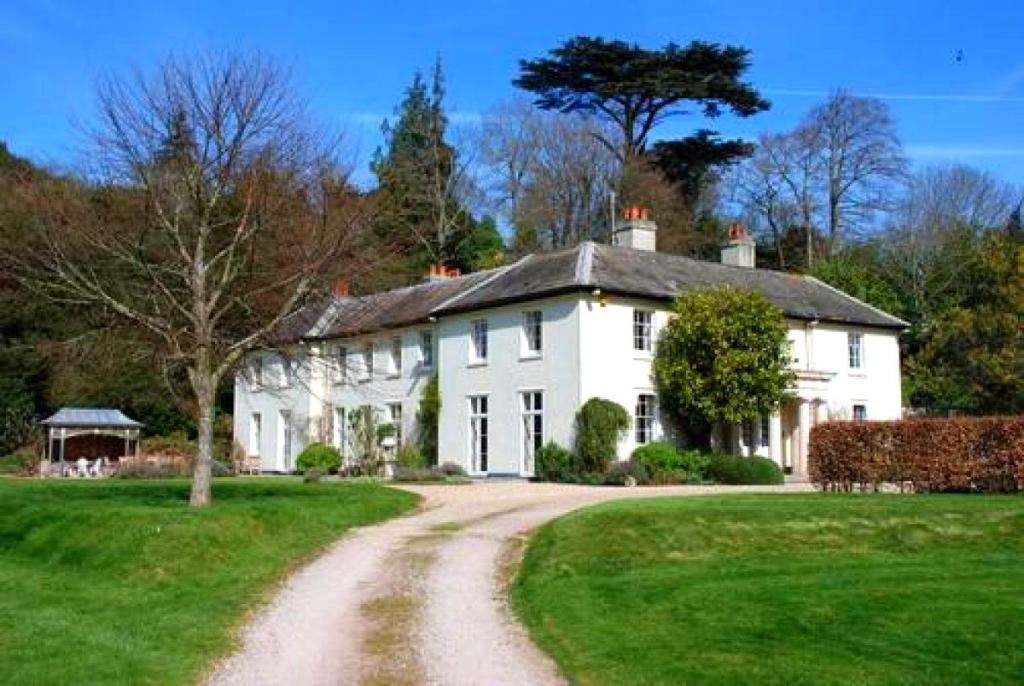
Robert never married and upon his death the title went to his younger brother, Alexander (baptised 22 June 1829-16 January 1919). Alexander had moved to Stonelands in Dawlish, Devon, England some time before 1881.
Like his elder brother, Alexander remained single. In fact the only one of the nine siblings to marry was the youngest, Isobel Glen McCasland (baptised 14 December 1838, died 1919) who married John Cook Rennie, a flour merchant, in 1875 when she was 36 and the couple do not appear to have had any children.
When Alexander died in 1919, his siblings had all predeceased him leaving no children, and he was the last of the line of the McCaslands of Newlandmuir.
 Vecchio