
My friend, you would not tell with such high zest
Wilfred Owen (1893-1918).
To children ardent for some desperate glory,
The old Lie: Dulce et decorum est
Pro patria mori.
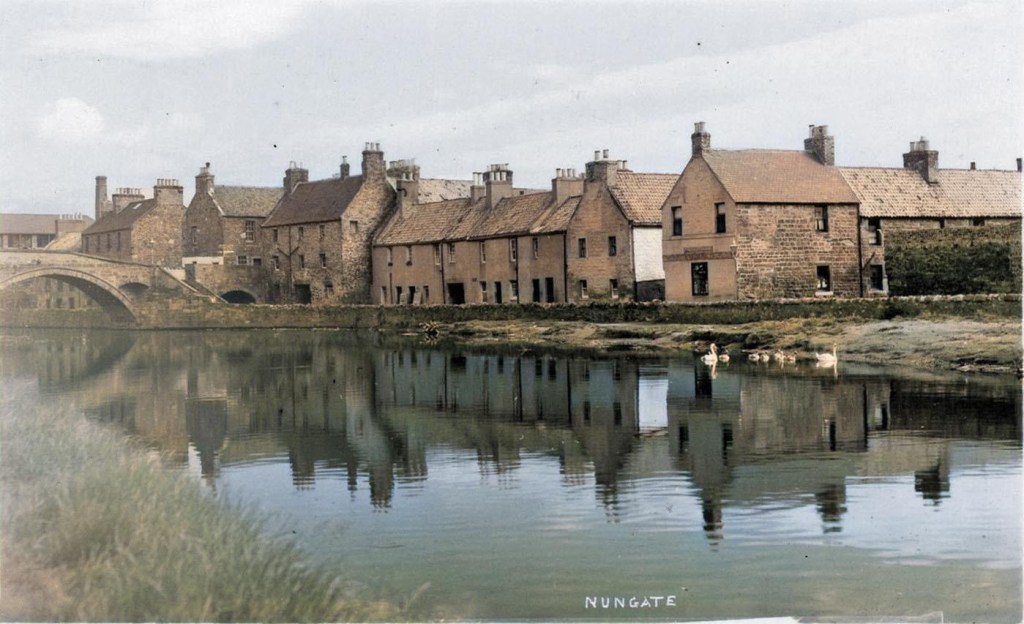
The Nungate, Haddington
One day, several years ago, I was in the Nungate area of Haddington. I knew that on 27 July 1878, my great grandmother Elizabeth Selkirk Kidd had been living in the Nungate area at the birth of her son, Nicol Kidd, who died six days later.
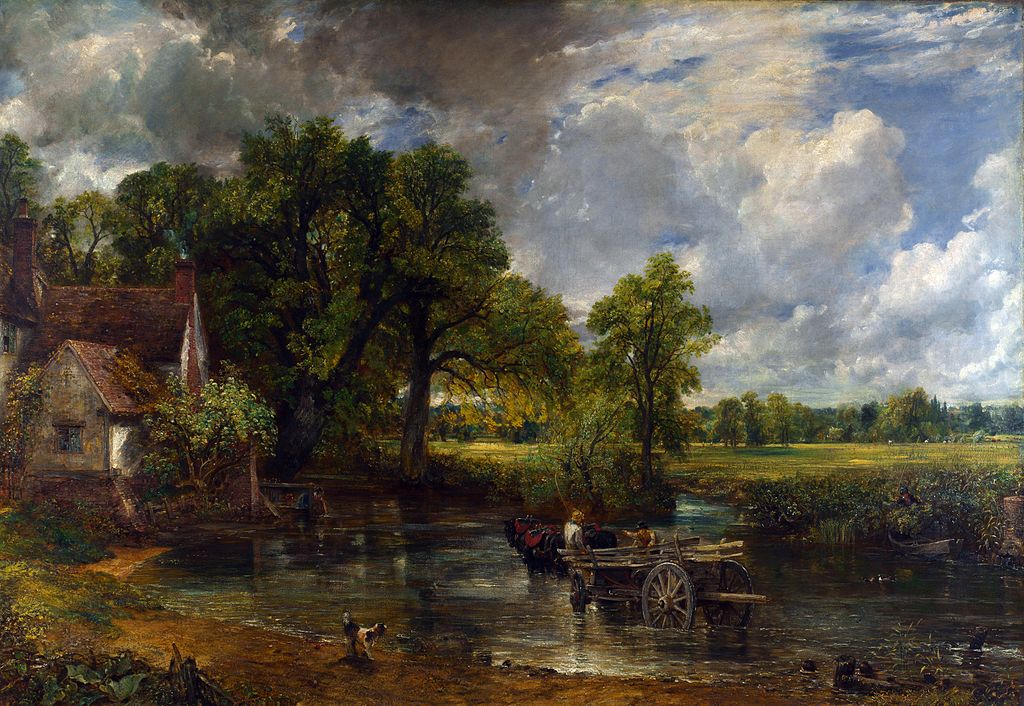
John Constable’s The Hay Wain 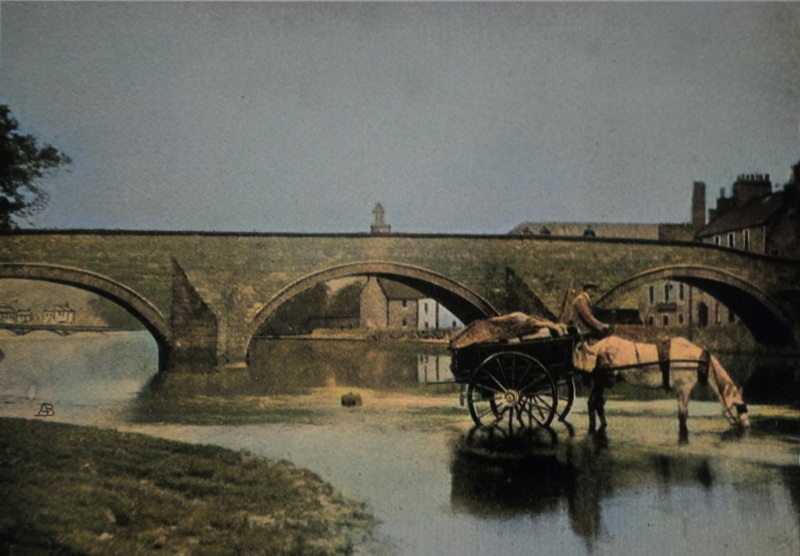
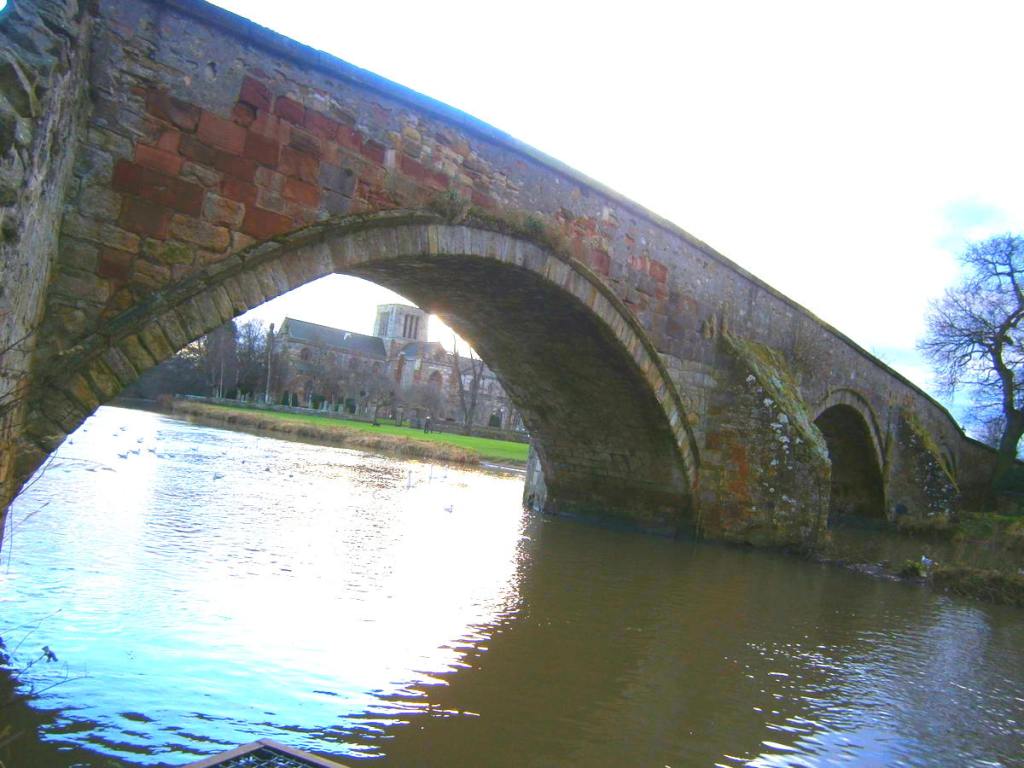
Carter crossing the Tyne at the Nungate Bridge
Saint Martin’s Church
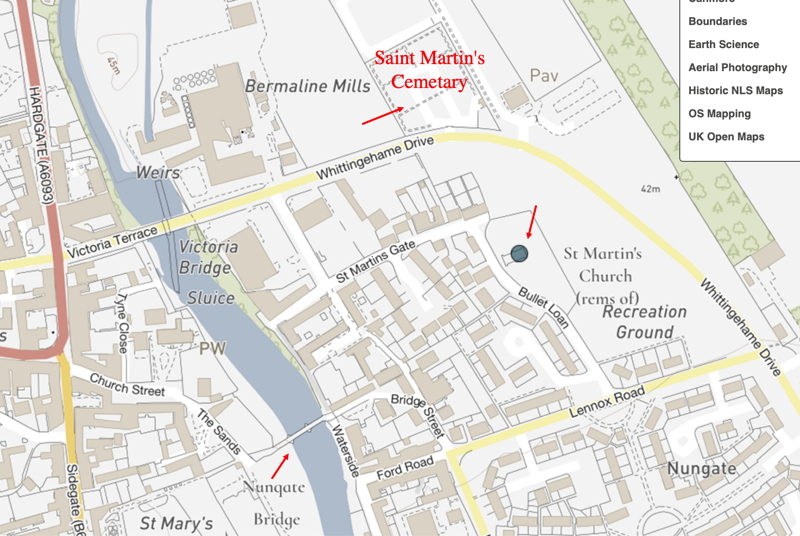
I had a half an hour or so to spare and decided to try to find the old Saint Martin’s Kirk. I knew it was east of the River Tyne in the Nungate area but on the old one inch OS map that I had the exact location was unclear.
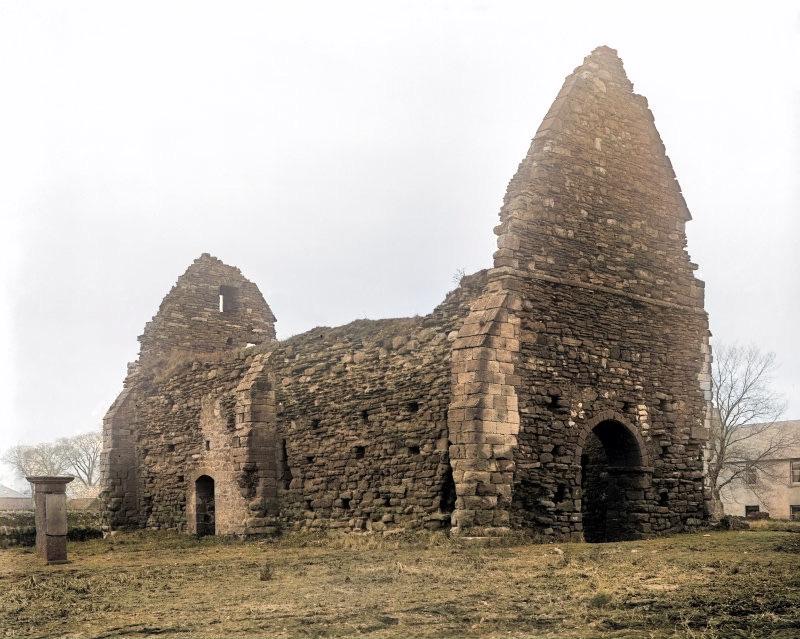
According to Historic Environment Scotland:
“Scotland has precious few parish churches surviving from the 1100s, the century in which the present parochial system was established under David I. The design of the windows in St Martin’s Kirk indicates it was built that century, making it a rare survival.
“The kirk’s story begins in the mid-late 1100s, when Alexander de St Martin was granted land around Haddington from Countess Ada, the mother of William I ‘the Lion’. In turn, he gifted the land to the Cistercian nunnery of St Mary, about a kilometre to the east of the kirk.
“The road connecting St Martin’s to the nunnery was called the Nungait, and as Haddington developed, the suburb of Nungate grew around the kirk.
The formative reformer
“A notable resident of Nungate was John Knox, who went on to become the architect of the Scottish Protestant Reformation in 1560. Knox may have attended services in St Martin’s as a boy.
“Saint Martin’s Kirk did not survive Knox’s Reformation intact. Its chancel may have been pulled down then, and today the rectangular nave is all that remains. It shows little architectural sophistication, though a few features stand out, including:
- the chancel arch in the east wall
- the round-headed piscina, or basin, south of the chancel arch
- the round-headed windows with their broad internal splays
Of interest are the square holes penetrating the kirk’s walls. Their function is a mystery. They may have been used as ‘putlog holes’ for scaffolding, though other functions should not be ruled out.”
Saint Martin’s New Burial Ground
However, I never arrived at Saint Martin’s church as instead I followed a sign to Saint Martin’s cemetery, assuming that the cemetery would be around the church. It is easy to forget that in the days before mobile phones and google maps, it was easier to get lost.
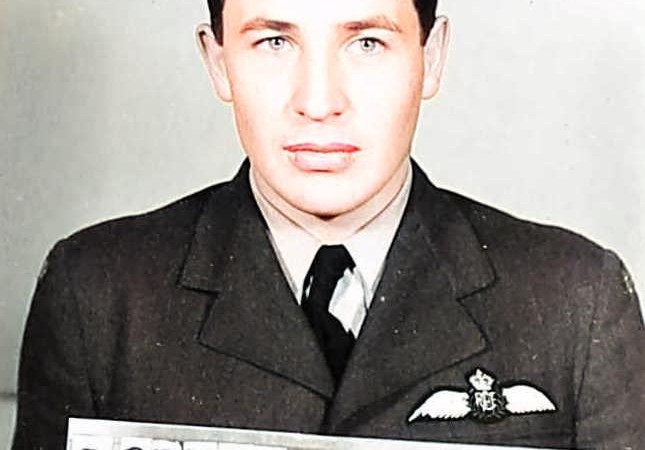
Flying Officer Paul Wood Henderson
Arriving at the cemetery, I was surprised to see a name that I recognised: Flying Officer P.W. Henderson.
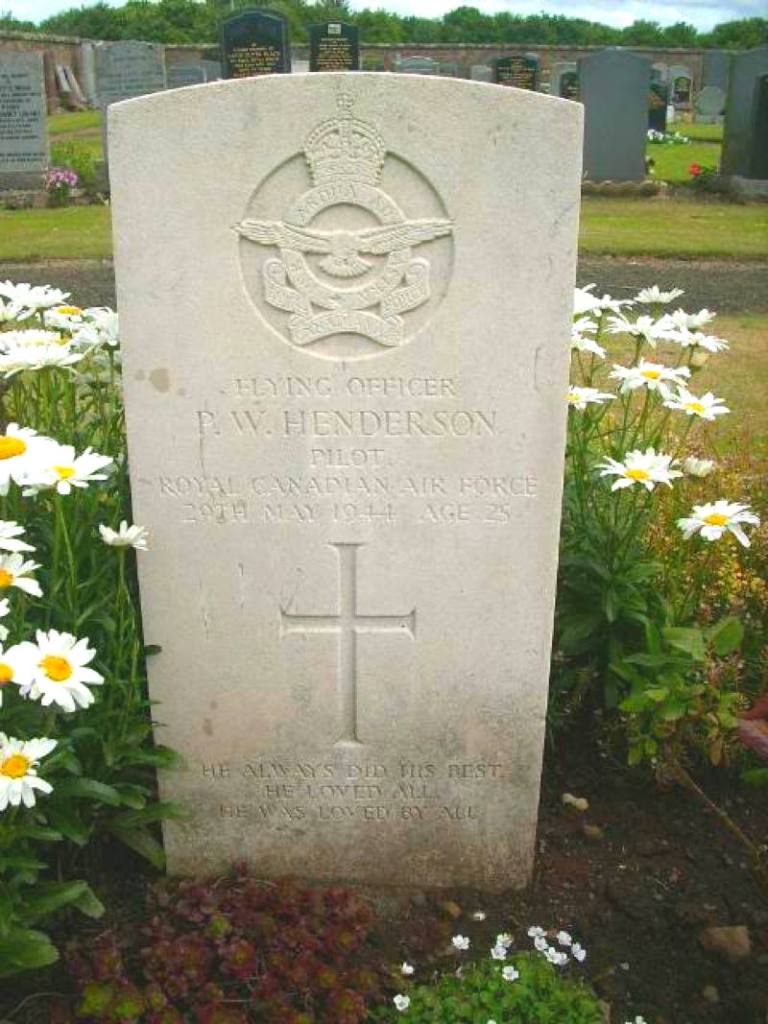
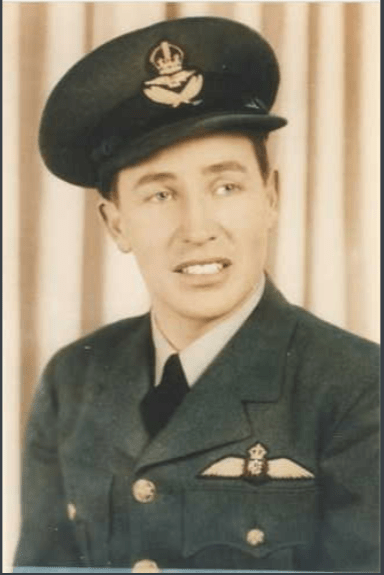
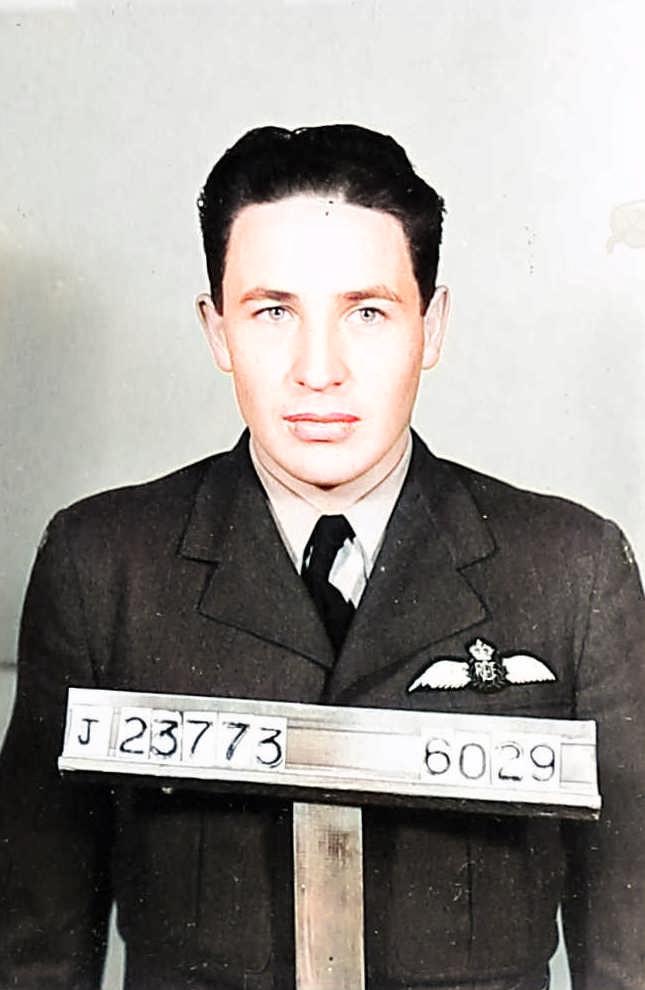
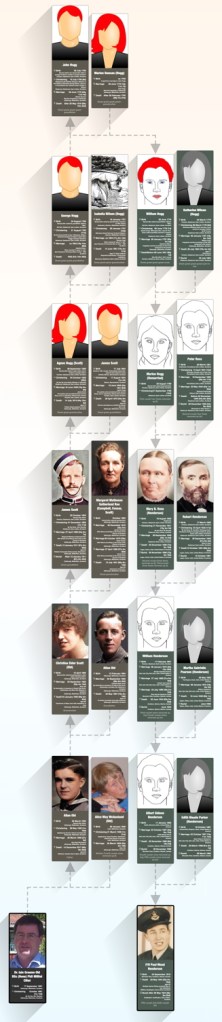
Paul Wood Henderson was our fifth cousin via our common ancestors John Hogg and Marion Duncan.

He is also our sixth cousin via our common ancestors William Hogg and Mary Braid.
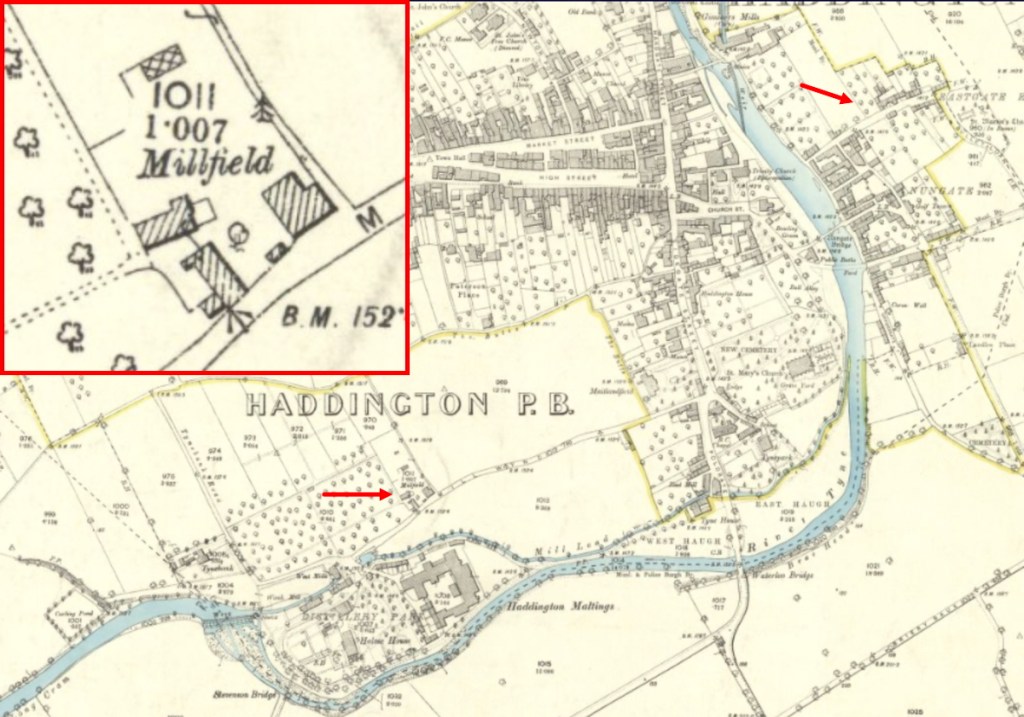
Paul Wood Henderson’s death register entry reveals that he died in a field at Millfield, Market Gardens, Haddington, as a result of Multiple Injuries (Flying accident) (Due to war operations).
He was aged 26 when he died, a School teacher, and a Flying Officer, in the Royal Canadian Air Force.
Paul Wood Henderson’s grandfather, William Henderson had been born at Penston in Gladsmuir parish in East Lothian on 11th February 1851, but he emigrated to the USA, marrying Paul’s grandmother on 8th January 1882 in Salt Lake City in Utah, and he died in Cardson in Alberta, Canada, where Paul was born.
It seems a terrible irony that Paul Wood Henderson’s family had journeyed so many miles away from Scotland, only for him to return and to be killed in a tragic accident just a few miles from his ancestral home.
Before heading back, I stood silently to pay my respects to this young man who, like so many others, had lost his life in a conflict that was not his own.
They shall grow not old, as we that are left grow old:
From: For The Fallen. Poem by Robert Laurence Binyon (1869-1943), published in The Times newspaper on 21 September 1914.
Age shall not weary them, nor the years condemn.
At the going down of the sun and in the morning
We will remember them.
 Vecchio