
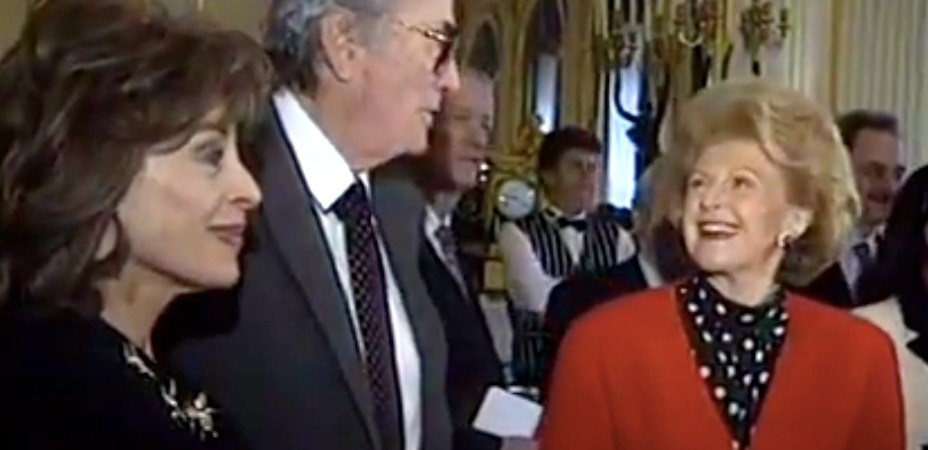
The story of my life doesn’t exist. Does not exist. There’s never any centre to it. No path, no line. There are great spaces where you pretend there used to be someone, but it’s not true, there was no one.
Margeurite Duras, The Lover.
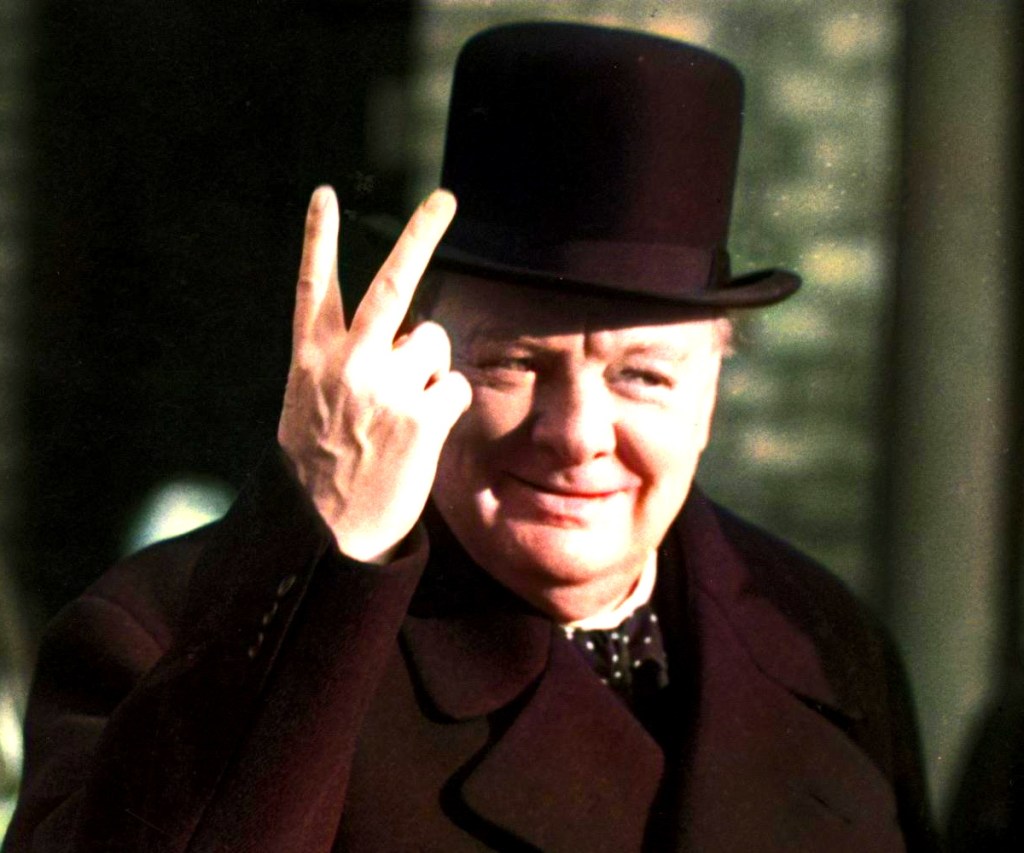
There was a time, before Covid-19, in what now seems like a different life, when I was – to the amazement of the saner members of the family – sometimes asked to represent great gran at various official receptions and so on.
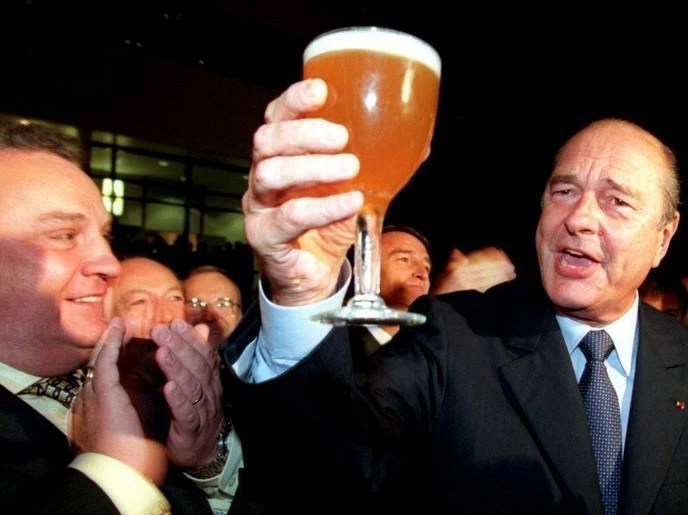
Memorable moments included receiving an enormous smile and “Bonjour!” from President Chirac of France, who seemed relieved that we were not CGT hecklers.
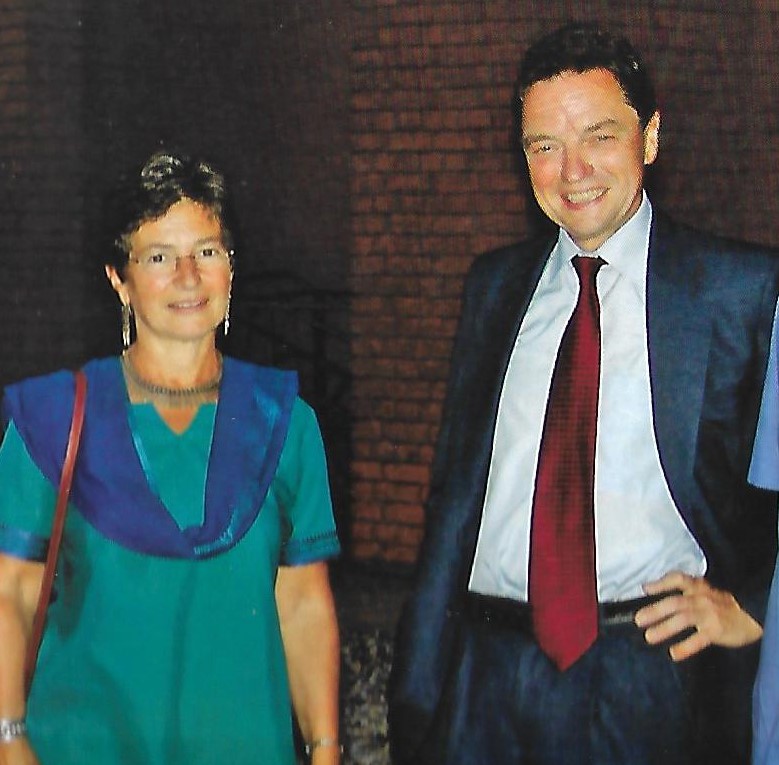
Or finding myself exchanging pleasantries with the British High Commissioner to India just a night after having dinner with the French attaché..

Or having a long discussion with Dr Gilbert Bukenya, the Vice President of Uganda (who merely introduced himself as “I’m from Uganda!“).
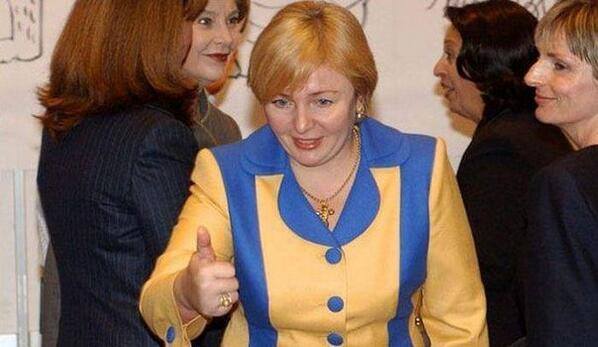
Or when I almost bowled over Lyudmila Putina, Vladimir Putin’s wife while rushing out of a building – which might have been a fatal mistake had her bodyguards thought I was trying to attack her! And there were other incidents which I have been told to keep for later. So today, I will stick to the Guthrie connection to Sir Winston Churchill.
The Hon. Pamela Digby (Churchill, Hayward, Harriman) (Farnborough, 20 March 1920 – Paris, 5 February 1997)
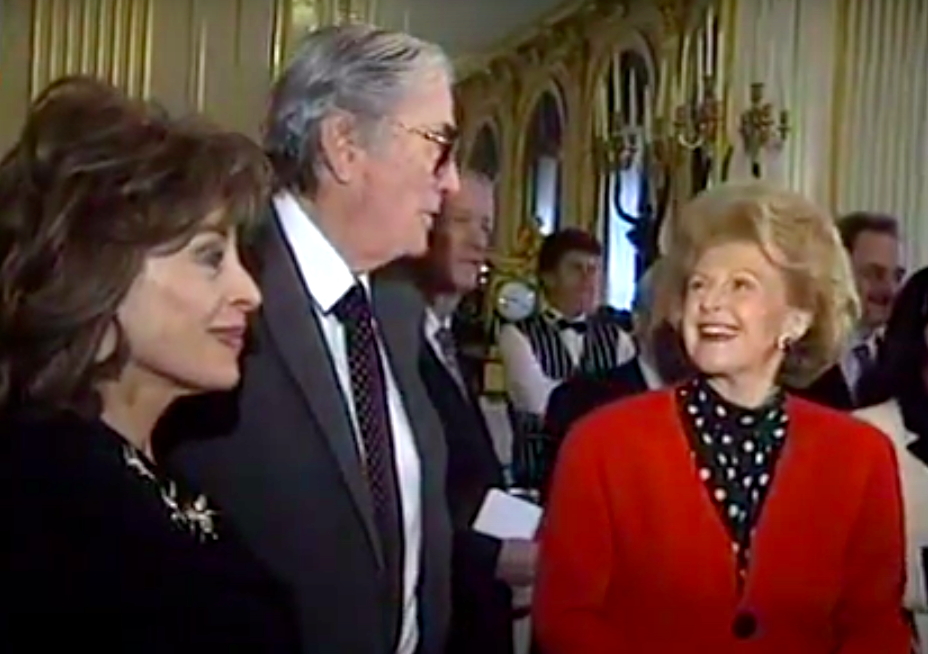
One day, when I was still very young, I encountered a charming and very kind lady, who sadly passed away not long afterwards. Little did I realise at the time that she was not only US Ambassador to France, but that she was also a distant connection.
Pamela Beryl Harriman (née Digby; 20 March 1920 – 5 February 1997), also known as Pamela Churchill Harriman, was an English-born American political activist for the Democratic Party, diplomat, and socialite. She married three important and powerful men, her first husband being Randolph Churchill, the son of prime minister Winston Churchill. Her only child, Winston Churchill, was named after his famous grandfather.
Pamela Digby was born in Farnborough, Hampshire, England, the daughter of EdwardDigby, 11th Baron Digby, and his wife, Constance Pamela Alice, the daughter of Henry Campbell Bruce, 2nd Baron Aberdare.
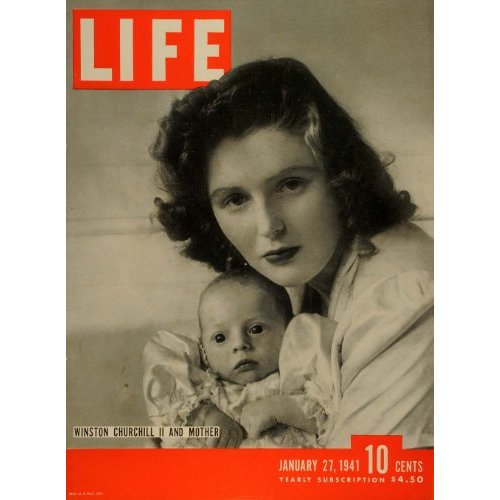
In 1939, while working at the Foreign Office in London doing French-to-English translations, Pamela met Randolph Churchill, the son of Winston Churchill, and a womaniser and alcoholic, desperate for a wife, having already proposed to eight women in the space of two weeks. Randolph proposed to her on the very evening they met, and they were married on 4 October 1939. Two days after Randolph Churchill took his seat in the House of Commons, their son Winston was born. Shortly after giving birth, Pamela and the newborn were photographed by Cecil Beaton for Life magazine, its first cover of a mother with baby. She filed for a divorced from Randolph Churchill in December 1945.
After a number of colourful affairs with the rich and famous, she married two more times, with her husbands being Broadway producer Leland Hayward, from 4 May 1960 until his death on 18 March 1971, and W. Averell Harriman from 27 September 1971 until his death on 17 March 1965.
As Pamela Churchill Harriman she became a United States citizen in 1971 and became involved with the Democratic Party. In 1980, the National Women’s Democratic Club named her “Woman of the Year” and U.S. President Bill Clinton appointed her United States Ambassador to France in 1993.
Pamela Harriman died on 5 February 1997 at the American Hospital, Neuilly-sur-Seine, after suffering a cerebral haemorrhage while swimming at the Paris Ritz one day earlier. The morning after her death, President Jacques Chirac of France placed the Grand Cross of the Légion d’honneur on her flag-draped coffin. She was the first female foreign diplomat to receive this honour. US President, Bill Clinton, in further recognition of her contributions and significance, dispatched Air Force One to return her body to the US and spoke at her funeral at the Washington National Cathedral in Washington, D.C., mentioning her public service in glowing terms.
The Hon. Jacquetta Digby (Guthrie-James) (28 October 1928-22 February 2019)
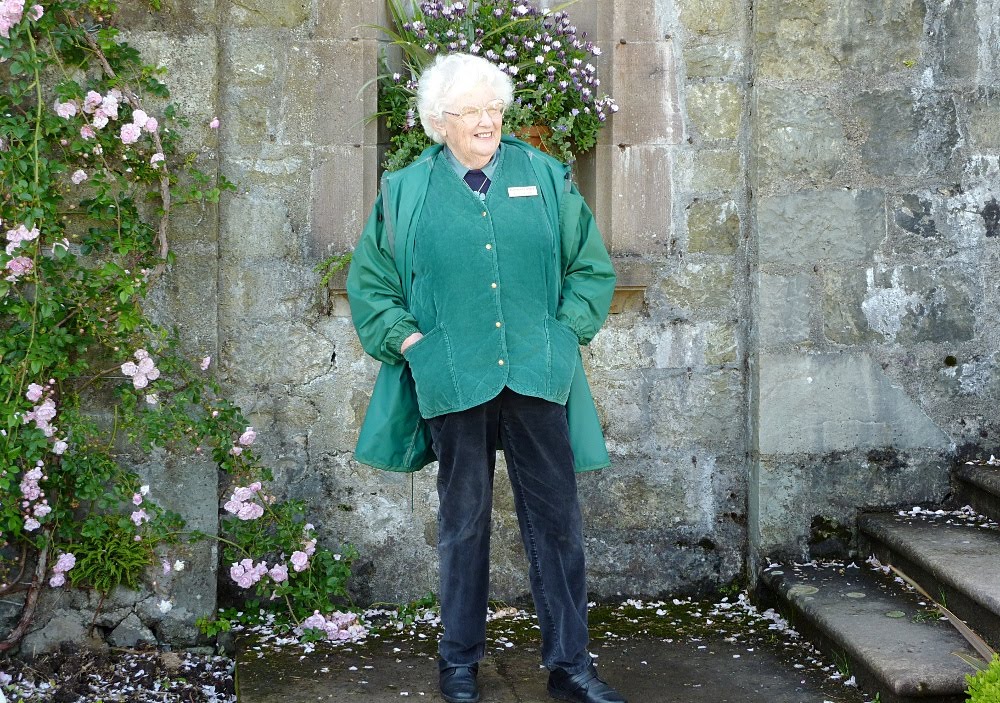
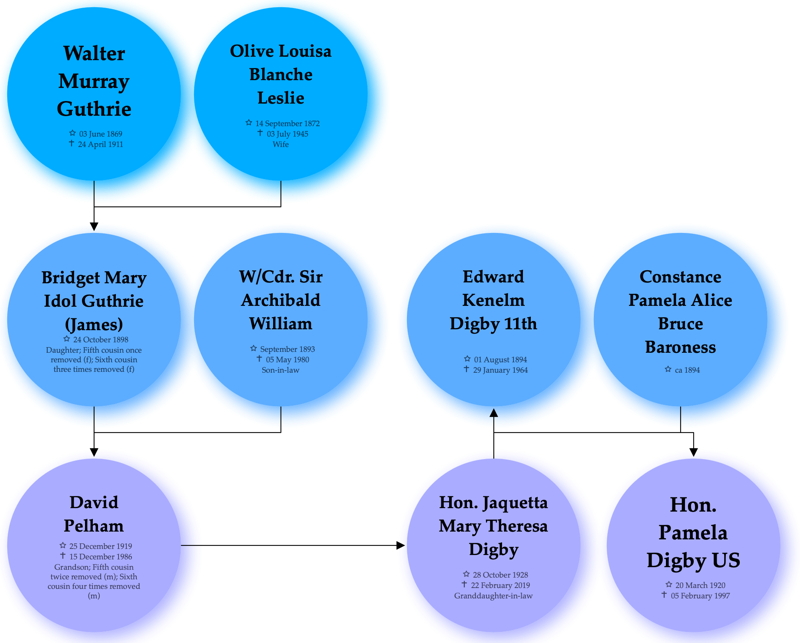
Pamela Digby’s younger sister Hon. Jacquetta Mary Theresa Digby (1928–2019), was the Guthrie connection as she married David Guthrie-James MP. By a strange quirk of fate, discussed in another article, the Guthrie estate of Torosay on the island of Mull and its castle had been inherited by not by the eldest son and heir, Patrick Stirling Guthrie, friend of Ernest Hemingway and inspiration for a character in one of his books, but by his sister, Bridget Mary Idol Guthrie (born 24 October 1898). She married Wing Commander Sir Archibald William Henry James, MP on 27 March 1919 and their son David Guthrie-James MP inherited Torosay. Jacquetta loved Torosay and also loved showing tourists around, which she did until a ripe old age.
David Guthrie-James, MP (25 December 1919 – 15 December 1986)
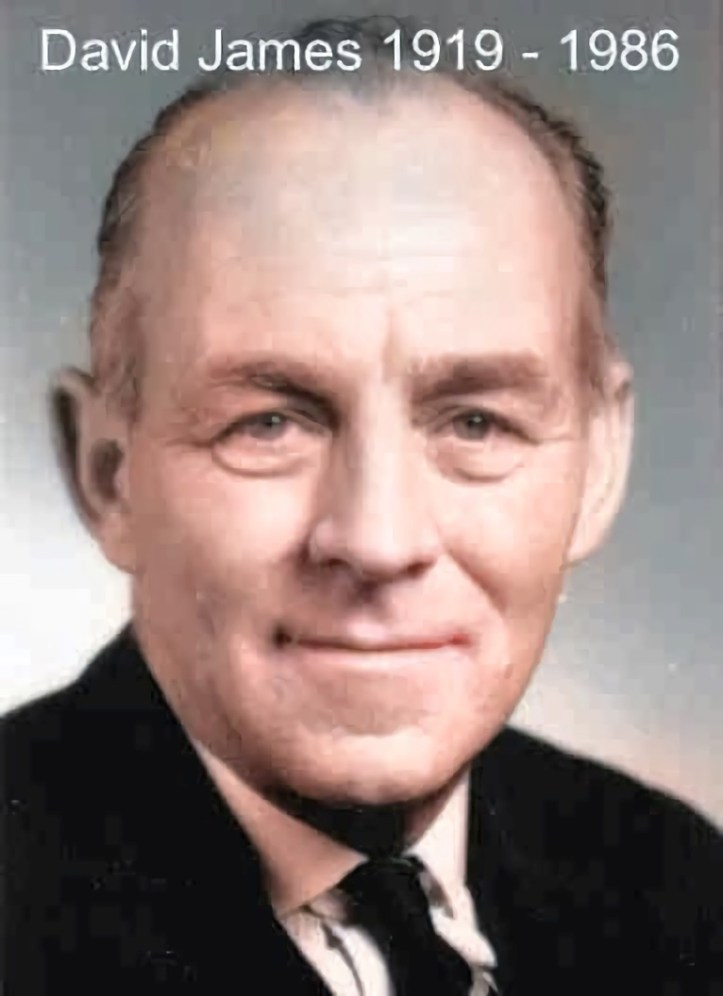
David Pelham Guthrie-James, MBE, DSC (25 December 1919 – 15 December 1986) was a British Conservative Party politician, author and adventurer.
Early life and education
James was born in 1919, he was the oldest son of Sir Archibald James and Bridget James Miller (née Guthrie). He went first to Summer Fields School in Oxford and then Eton. He left Eton at the age of 17, sailing round the world “before the mast” in the 4-masted barque Viking as a trainee officer. He then joined his father on a trip to Spain where he observed the ongoing Spanish Civil War. In 1938 he went up to Balliol College, Oxford, to read Geography, but left after four terms to join the RNVR.
Wartime service
In June 1940, he became a midshipman on HMS Drake. Later on he served on an armed merchant cruiser patrolling the Denmark Strait. In December 1941, he became the second in command of Motor Gun Boat No.63 operating out of Felixstowe. In the early hours of Sunday 28 February 1943, his then vessel MGB 79, was sunk in action off the Hook of Holland. James and three of his crew were rescued from the water by a German trawler and were taken prisoner, later earned the DSC for this action. He was sent to Marlag O, the naval prisoner-of-war camp near Westertimke.
He attempted to escape in December 1943, slipping out of the shower block on a foggy morning, then crossed Germany wearing his full British naval uniform, but with forged papers identifying him as “I. Bagerov” of the Bulgarian Navy. James made it as far as the port of Lübeck and had made contact with the crew of a Swedish ship willing to smuggle him out of the country before he was arrested, and returned to the camp. His second escape in late 1944 used the same method, relying on the corrupt shower-block guards not to report their own short head-count. James again headed for the Baltic coast, posing as a merchant seaman, and this time made it to Sweden. His successful escape earned him an Order of the British Empire and a spot at the Naval Intelligence Division where he lectured his colleagues on escape methods. Believing that his experience would be of no use in the Middle East where he was to be transferred he joined Operation Tabarin in 1944, wintering in Graham Land until January 1946. In consequence, the James Nunatak was named after him by the British Antarctic Survey.
A self-penned account of his 11 months in (and out of) the camp was published in the UK as A Prisoner’s Progress in Blackwood’s Magazine (1946–7), then in book form by Blackwoods in 1947, with a second edition in 1954 and in the U..S under the title Escaper’s Progress. A review at the time described the work as “one of the better escape books”. In 1978, when the book was re-published in the UK in paperback as Escaper’s Progress (Corgi), his original account of the escape, as prepared for Naval Intelligence Division was included as an appendix, having become de-classified. This has again been republished by Pen & Sword Ltd.
Post-war career
James was then chosen to act as Polar Advisor to director Charles Frend for the 1948 film production of Scott of the Antarctic, during which he appeared as John Mills‘ “body double” in a number of long shots in the snow. Never one to miss a book opportunity, James wrote Scott of the Antarctic: The Film and Its Production which was published by Lon Convoy, followed a year later, in 1949, by That Frozen Land: The Story of a Year in the Antarctic. Being the only near contemporary account of Operation Tabarin That Frozen Land avoided referring to its geopolitical objectives.
James was asked by George G. Harrap and Co. to co-edit, with James Lennox Kerr, a book of wartime stories and experiences of RNVR members entitled Wavy Navy – By Some Who Served.[9](1950), and was then chosen by the daughter of Lord Roberts of Kandahar to write her father’s biography, published by Hollis & Carter under the title Lord Roberts (1954).
In 1957 James wrote a book entitled Outward Bound, with a foreword by the Duke of Edinburgh, about the organisation of the same name and in 1960 co-edited, with The Field editor Wilson Stephens, In Praise of Fox Hunting, a series of essays by contributors such as Dick Francis, Jimmy Edwards and BBC show jumping commentator Dorian Williams.
In 1962, weeks before the birth of his youngest son, he featured on This Is Your Life, having been ambushed at Victoria Station by Eamonn Andrews and his red book, getting off the train from his home town of Haywards Heath.
Although born into a Church of England family, he was a director of Catholic publishing house Burns & Oates, having been received into the church whilst a POW.
Member of parliament
He was Member of Parliament for Brighton Kemptown from 1959 to 1964, when he lost, after a record seven recounts, by just 7 votes to Labour‘s Dennis Hobden (the first Labour MP for a Sussex constituency). James was subsequently elected as MP for North Dorset in 1970 and he served as member for that seat until his retirement in 1979, when he was succeeded by Sir Nicholas Baker.
In the 1964 election when he lost his Brighton seat, the narrowness of the result led to speculation that his stance on this ‘issue’ had been used against him by his political opponents, and may have proved decisive. His own view was that his campaign was sabotaged by extreme left wing infiltrators, in revenge for the assistance he had given to the exposure of ballot rigging in the Electrical Trades Union.
Personal life
On 20 May 1950, he married Jaquetta Mary Theresa (née Digby) (28 October 1928 – 22 February 2019), youngest daughter of Edward Kenelm Digby, 11th Baron Digby and sister of Pamela Churchill Harriman and Edward Digby, 12th Baron Digby. They had six children, four sons and two daughters, born between 1951 and 1962. In 1979 he changed his name to David Guthrie-James to mark the connection between Clan Guthrie and his family home Torosay Castle on the Isle of Mull.
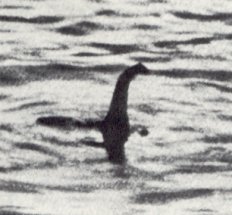
Interested in the existence of the Loch Ness Monster, he co-founded the Loch Ness Phenomena Investigation Bureau with naturalist Sir Peter Scott in 1962.
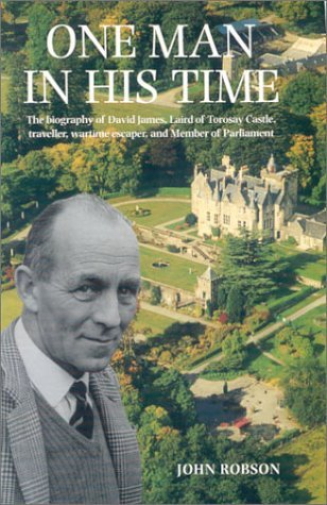
His friend John Robson wrote his biography which was published under the title One Man in His Time (Spellmount Ltd. 1998). Encouraged to obtain a copy, which was kindly signed by the author, I was somewhat underwhelmed as the early charters on the Guthrie family contained a number of errors and omissions. However, this was undoubtedly the part of David Guthrie-James’s life that the author was least familiar with.
Walter Murray Guthrie MP (03 June 1869- Torosay, 24 April 1911)
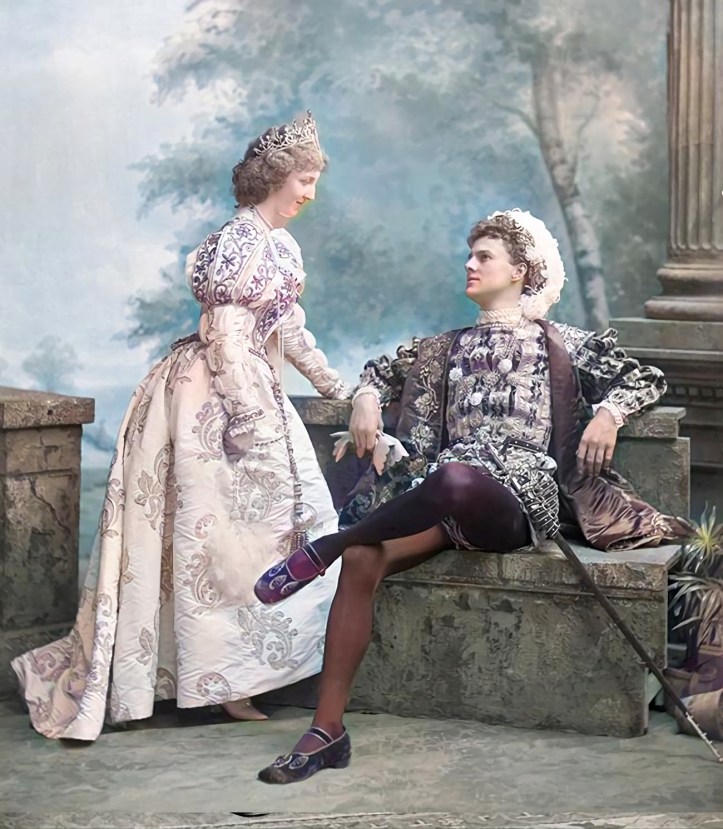
Walter Murray Guthrie, DL (3 June 1869 – 24 April 1911) was a merchant banker and British politician. He was a Conservative Member of Parliament (MP) from 1899 to 1906.
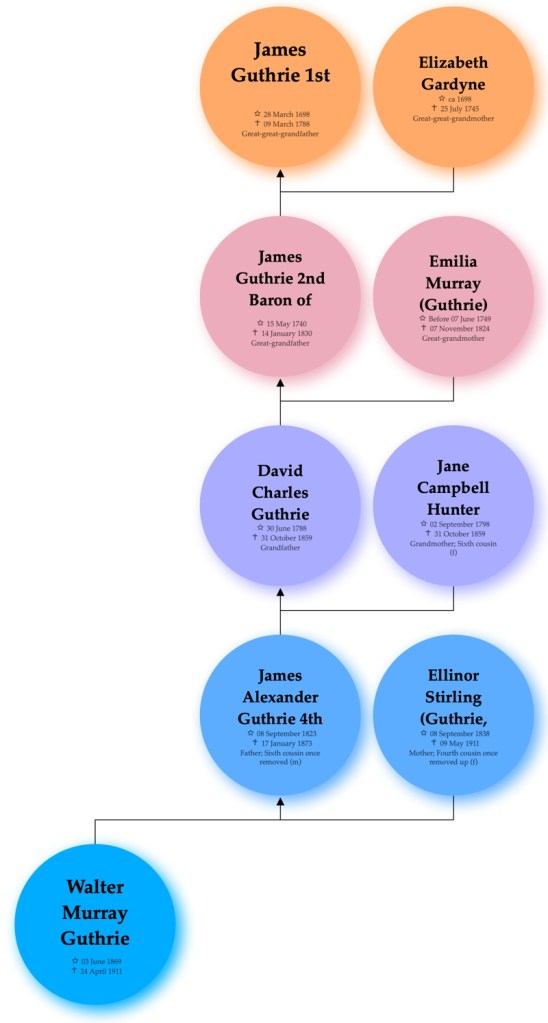
Walter Murray Guthrie was the third son of James Alexander Guthrie of Craigie, Director of the Bank of England, and Ellinor Stirling. He was born in London in 1869 and educated at Eton College and Trinity Hall, Cambridge. While at Cambridge, he worked on the literary paper Granta.
In 1894, he married Olive Louisa Blanche Leslie, daughter of Sir John Leslie, first Baronet of Glaslough, County Monaghan (Ireland), and Lady Constance Wilhelmina Frances Dawson-Damer, daughter of George Dawson-Damer. They had six children, of whom four survived infancy: Patrick Stirling, Bridget Mary Idol, David Leslie, and Virginia Violet Margaret.
He became a partner of Chalmers, Guthrie & Co., merchant bankers, and a director of the London Joint Stock Bank and Commercial Union Assurance Co.
In 1897, he inherited a castle on the Isle of Mull from an uncle. Originally known as Duart House, it was later called Torosay Castle. Guthrie made improvements and embellished the gardens with statues bought from an abandoned villa in Italy.
Guthrie was elected to the Commons in the 1899 Bow and Bromley by-election, defeating the Liberal candidate Harold Spender by 2,123 votes and succeeding the Conservative MP Lionel Holland. He kept the seat of Bow and Bromley in the general election the next year. He left Parliament in the 1906 general election and was succeeded by the Liberal Stopford Brooke.
In early 1900, he travelled to South Africa during the Second Boer War, and contributed to the Report of the Royal Commission on South African Hospitals.
Guthrie was a Deputy Lieutenant for the County of Argyll from June 1901.
He died at his home in Mull in 1911 aged 41. A memorial was erected to him in the gardens of Torosay Castle.
 Vecchio