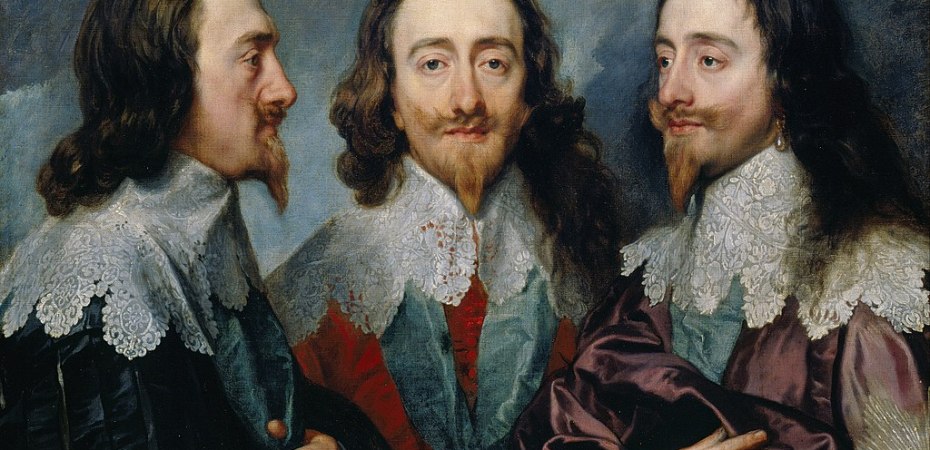
Triple portrait of King Charles I (1600-1649) Sir Anthony van Dyck.
18 June 1639: On this day, 382 years ago, King Charles’ English army reached Berwick-upon-Tweed but when confronted with a much larger Scots army he agreed a truce, the “Pacification of Berwick“.
The Treaty of Berwick (also known as the Peace of Berwick or the Pacification of Berwick) was signed on 19 June 1639 between England and Scotland. It ended minor hostilities the day before.
Archibald Johnston was involved in the negotiations before King Charles was forced to sign the treaty. The agreement, overall, officially ended the First Bishops’ War even though both sides saw it only as a temporary truce.
After the treaty was signed, King Charles immediately began to gather the resources he needed in order to strengthen his armies.
After a disastrous skirmish at Kelso between the English advance guard and the Scottish Covenanter Army, the Earl of Holland fled back to the king’s headquarters at Berwick-upon-Tweed.
The Earl of Antrim failed to establish negotiations in order to bring the Irish army over. This, along with the unsuccessful English naval campaign at Hamilton, meant that Charles was forced to sign a truce. He conceded to the Scots the right to a free church assembly and a free parliament.
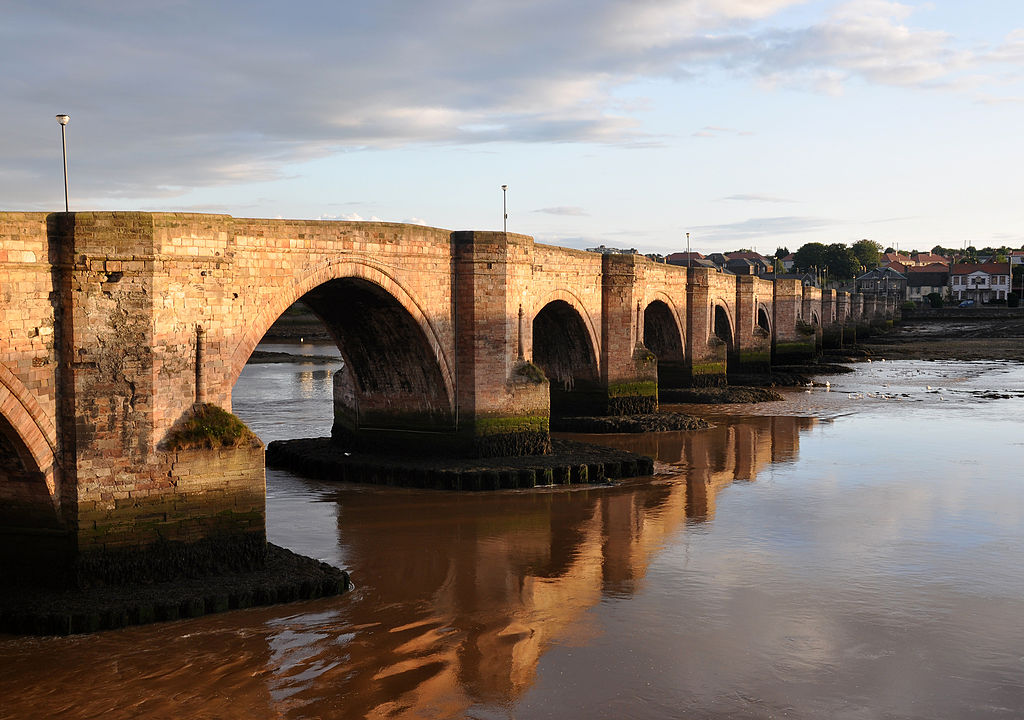
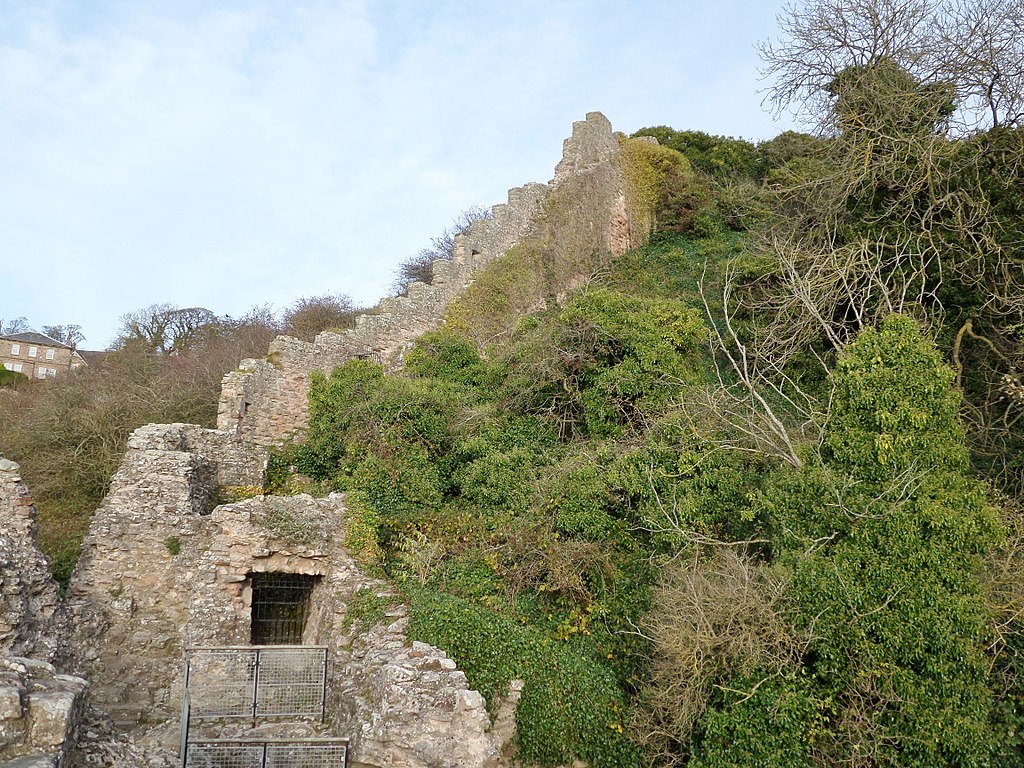
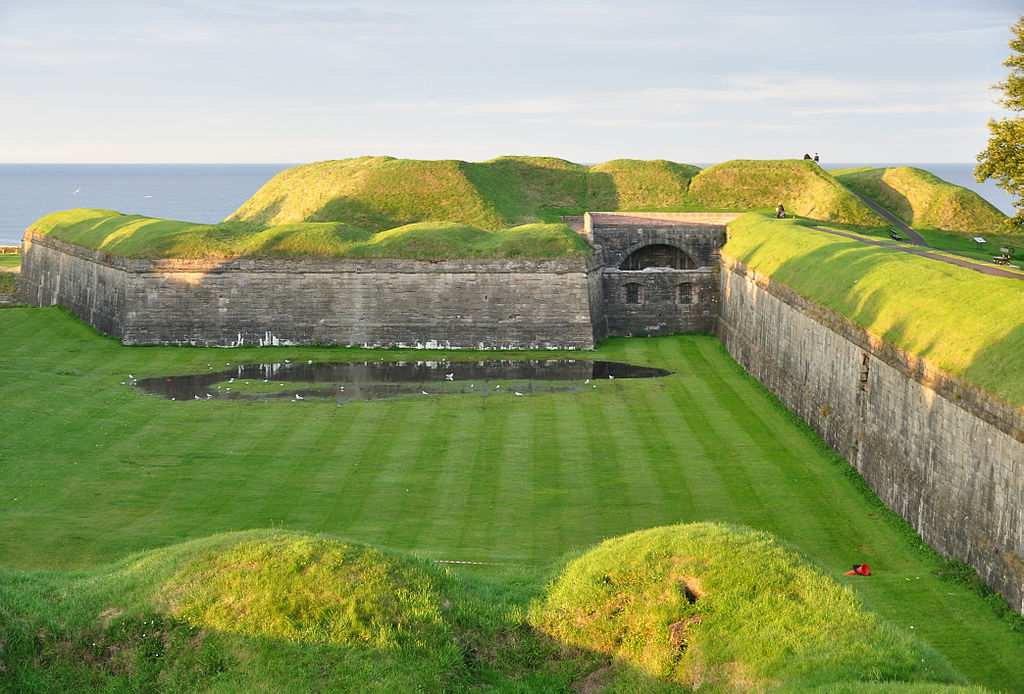
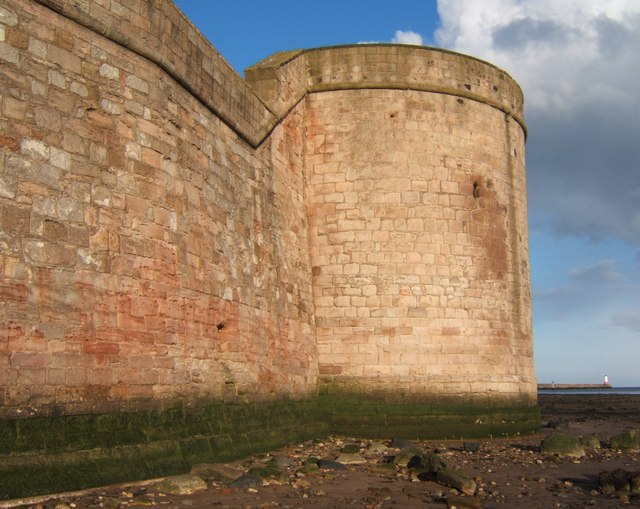
Berwick Bridge, linking Berwick-upon-Tweed to Spittal, crossing the River Tweed in Northumberland. Photo credit:Nilfanion.Berwick Castle ‘Breakneck Path’ and wall, Berwick-upon-Tweed, Northumbria. Photo credit: Rosser1954.Part of Berwick’s Elizabethan ramparts. Photo credit: Nilfanion. Coxon’s Tower at low tide Looking up at Coxon’s Coxon’s Tower at low tide Looking up at Coxon’s Tower from the shore at low tide. The lighthouse at the end of the pier is visible in the distance. Photo credit: Barbara Car.
In this video Steven Franklin discusses the Bishops’ Wars and how the need to put down this Scottish “rebellion” led to the recalling of the English Parliament and the first step toward the English Civil War. 4 mins 17 secs.
Berwick-upon-Tweed is the most northerly town in all of England, and is home to some of the country’s most fascinating history. Located just two and a half miles shy of the Scottish border, this small town was a constant battleground for centuries between England and Scotland, and as a result has a unique mixed culture and identity. So, join me on this fascinating walk of Berwick town centre. Along the way, we pass many interesting landmarks, including the Royal Border Bridge, Royal Tweed Bridge, Berwick Bridge, the old A1 road, Marygate, Berwick Town Hall and Gaol, Berwick Town Walls, Coxon’s Tower, Berwick Pier, the Elizabethan Ramparts, Berwick Barracks, scenes from sketches by LS Lowry, Berwick Parish Church, the Former Church of St. Mary, Coronation Park and Berwick Castle. 38 mins, 10 secs.
Berwick -upon-Tweed & Ramparts || Chasing some better weather, we headed north to avoid the rain. There is less talking than I would have liked as I lost my wind muffler getting out of the car 😔. But still a good opportunity to test my new camera. Cheryl Craggs 17 mins 2 secs.
Discovering Scotland’s east coast, this was my first stop. River Tweed has been a boundary between Scotland and England for centuries. Berwick-upon-Tweed has changed hands many times before becoming a part of England. Old castle park, three bridges, pier, lighthouse, old defences – there is a lot to explore. Willow. 11 mins, 12 secs.


 Vecchio