
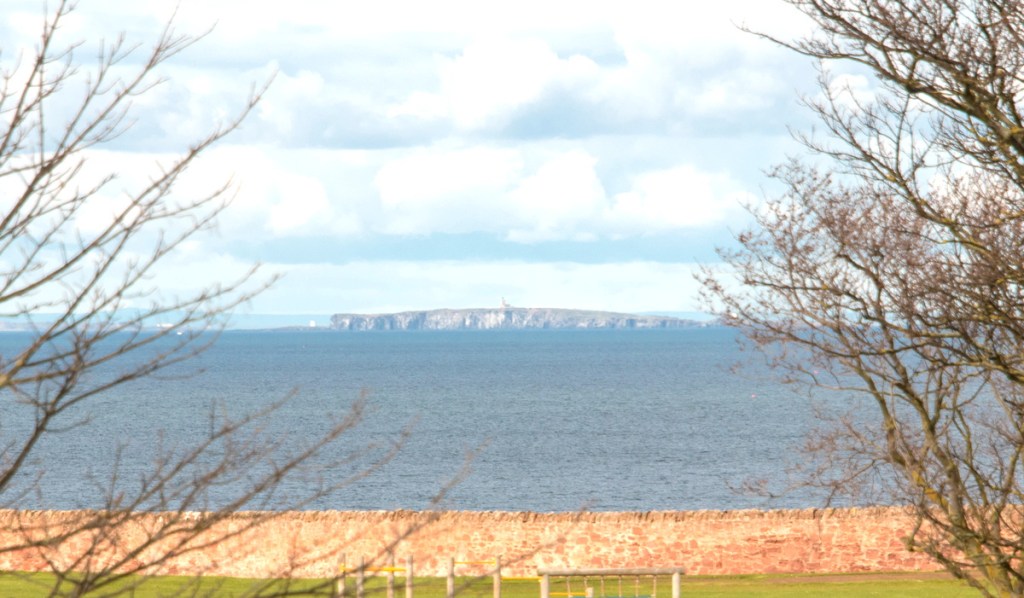
Dunbar is close to the Isle of May which is known as a stop-over site for migratory birds that do not normally visit Britain, but get blown off route from Scandinavia by easterly winds with recent examples including black-winged stilt, lanceolated warbler, White’s thrush, bridled tern and calandra lark. The Isle of May is also home to one of the largest grey seal colonies in the British Isles with 2,500 pups born there each year between September and December.
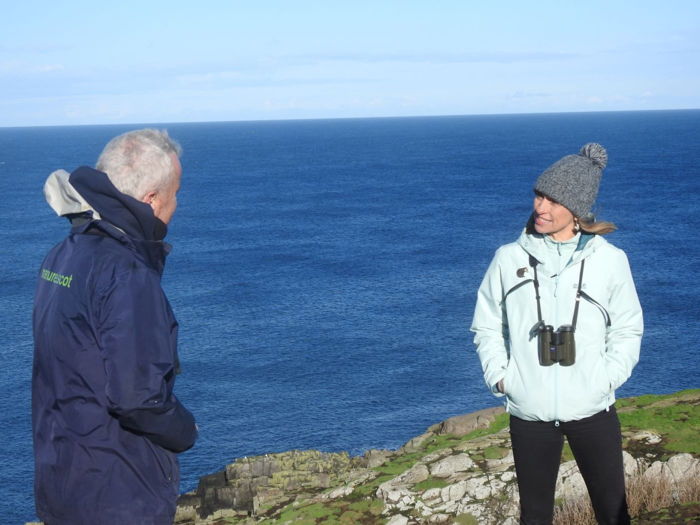
A rare sighting of Autumn Watch presenter Michaela Strachan on the Isle of May on 24th December 2020.
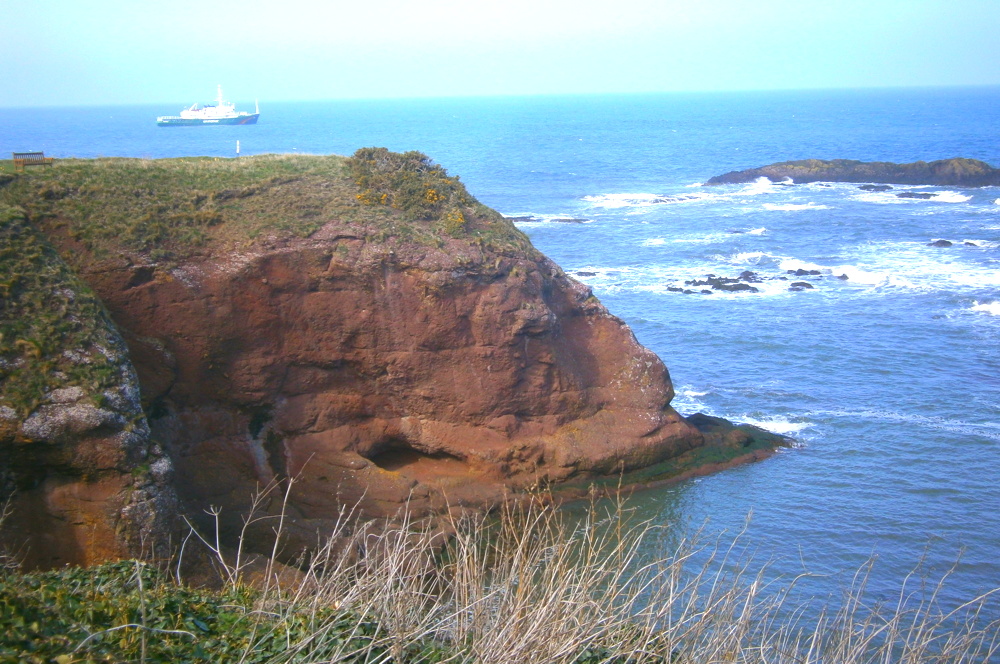
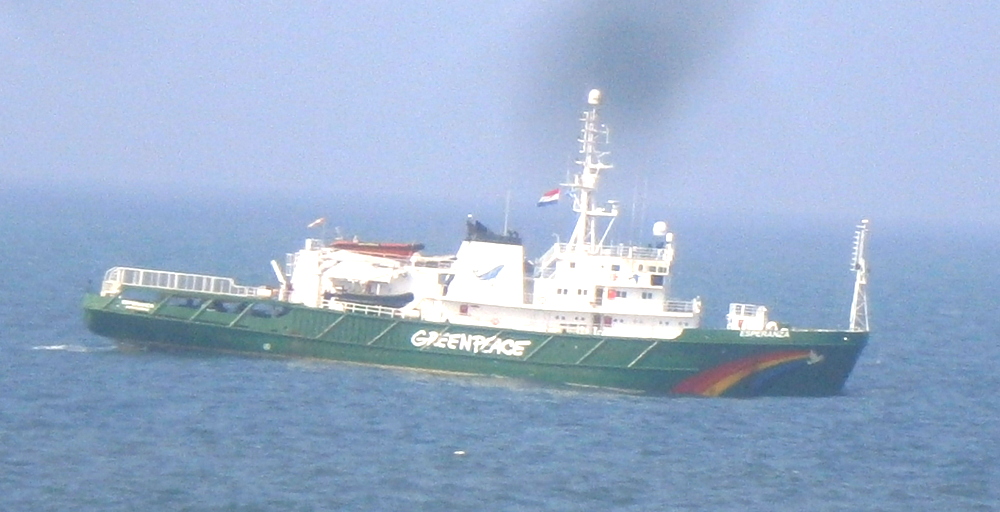
MV Esperanza is a ship operated by Greenpeace. Previous to being a Greenpeace ship it was a fire-fighting vessel owned by the Soviet Navy, built in 1984. It was recommissioned in 2000 and relaunched in 2002 after being named Esperanza (‘hope‘ in Spanish) by visitors to the Greenpeace website. It had undergone a major refit by Greenpeace to make it more environmentally friendly. A new helicopter deck and boat cranes were also added. The ship is powered by two Sulzer V12 marine diesel engines.
The ship has a heavy ice class, giving it the ability to work in polar regions. It has a top speed of 16 knots (30 km/h; 18 mph) and an overall length of 72.3 metres (237 ft 2 in). This makes it the fastest and largest of the Greenpeace fleet.
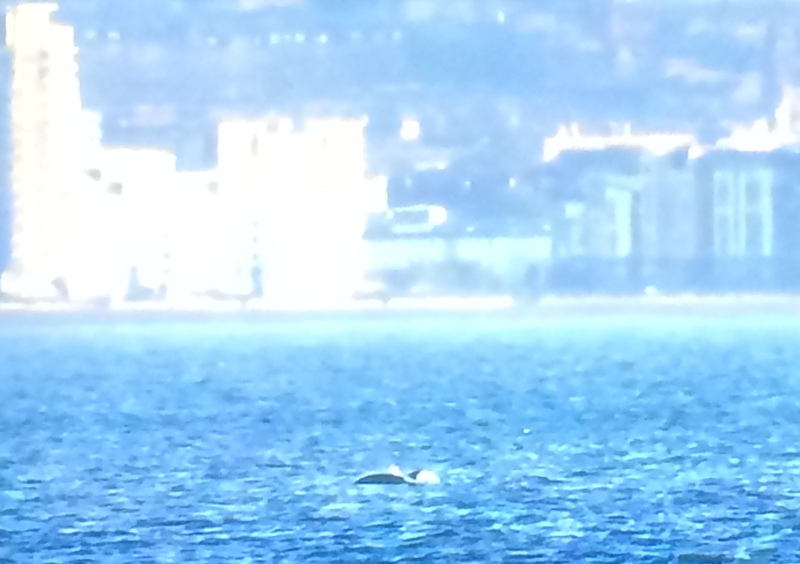
There have been a number of sightings of dolphins in the Firth of Forth. In 2020 we witnessed a pod of several dolphins off Winterfield heading eastwards.
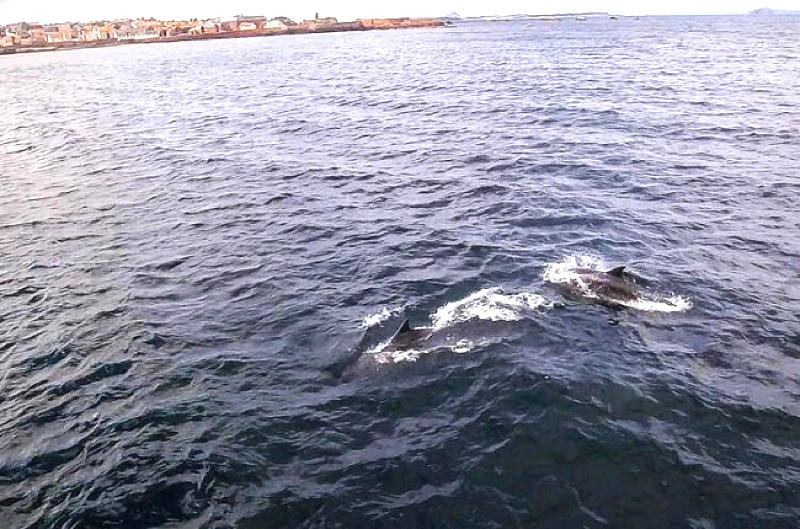
On 15th July 2020, dolphins appeared when Dunbar RNLI were called out after a report of a person in difficulty off the Battery at Lamer Island.
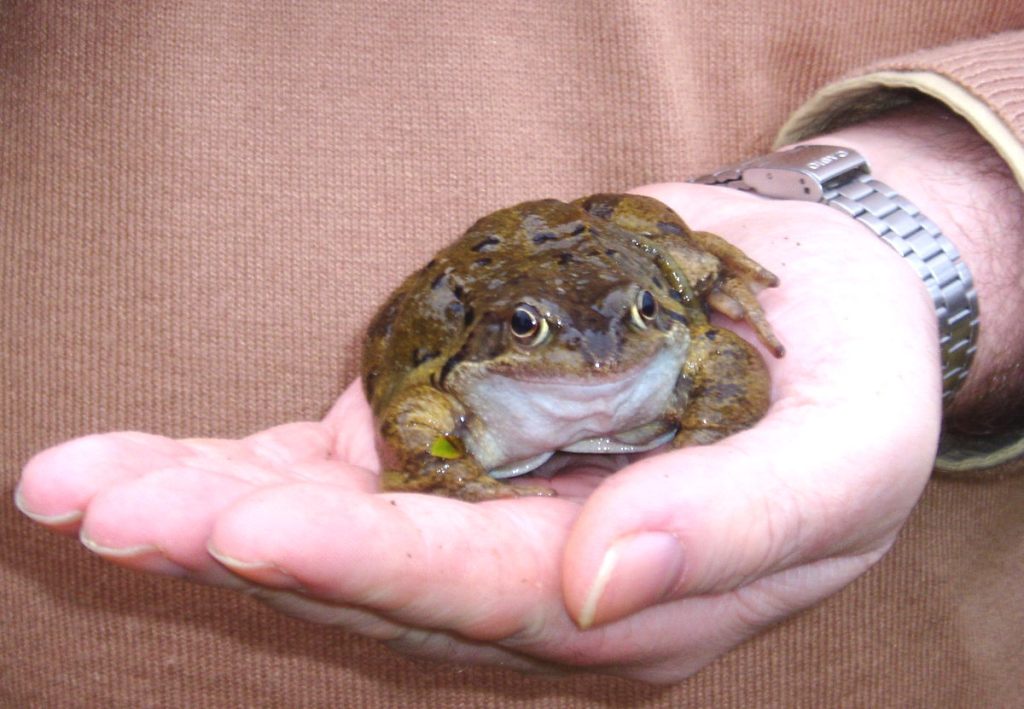
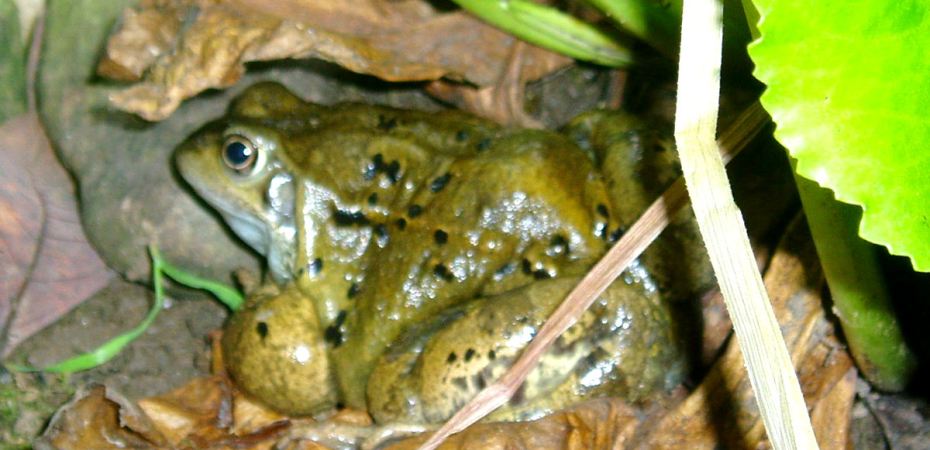
While common frogs are not rare, in March 2005, we were surprised to return home and discover a frog sitting happily on the doorstep, as if to welcome us back.
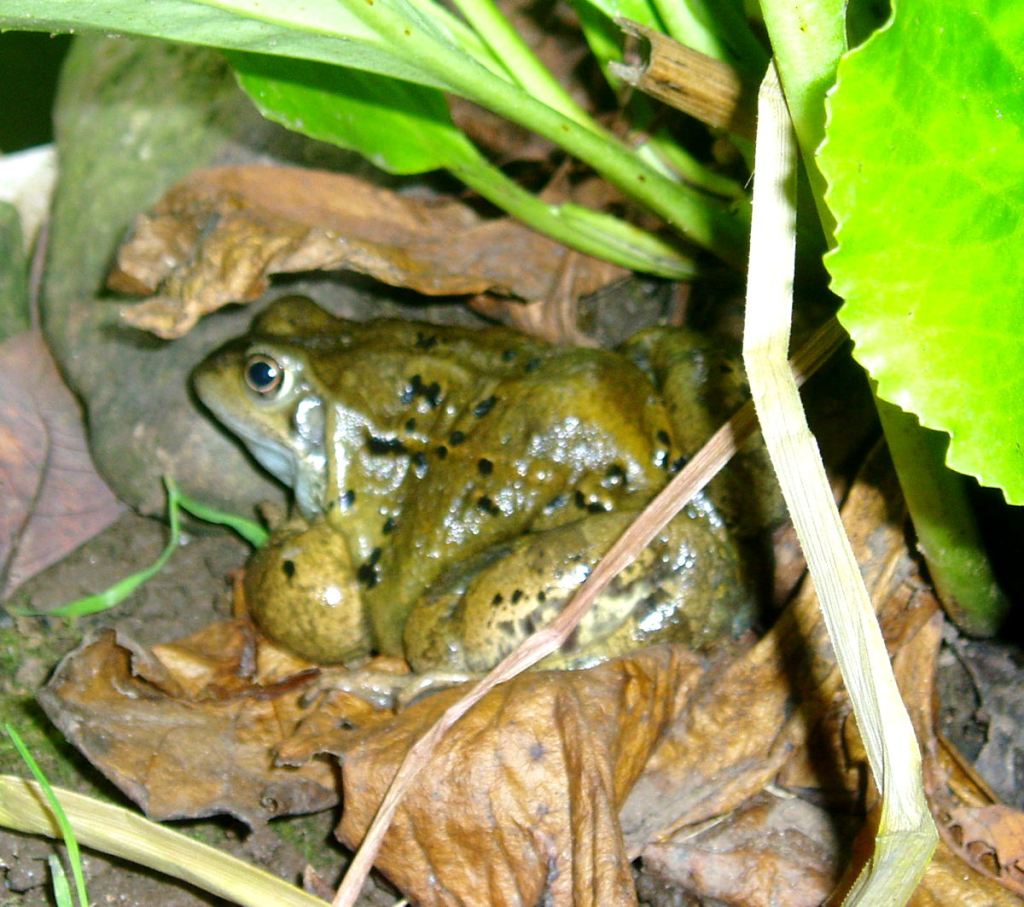
The frogs are believed to be descended from tadpoles raised in a neighbouring garden.
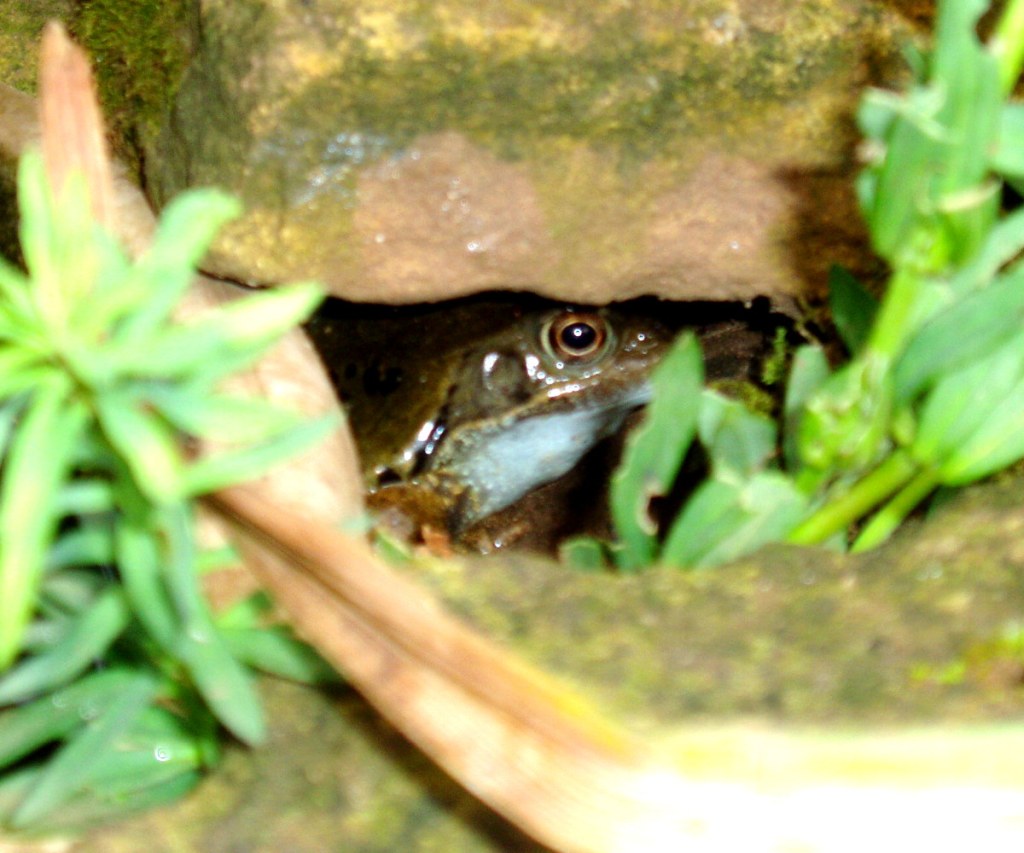
The frog settled happily into the back garden where there was a tiny pond and at times a dozen or more frogs could be found in the garden.
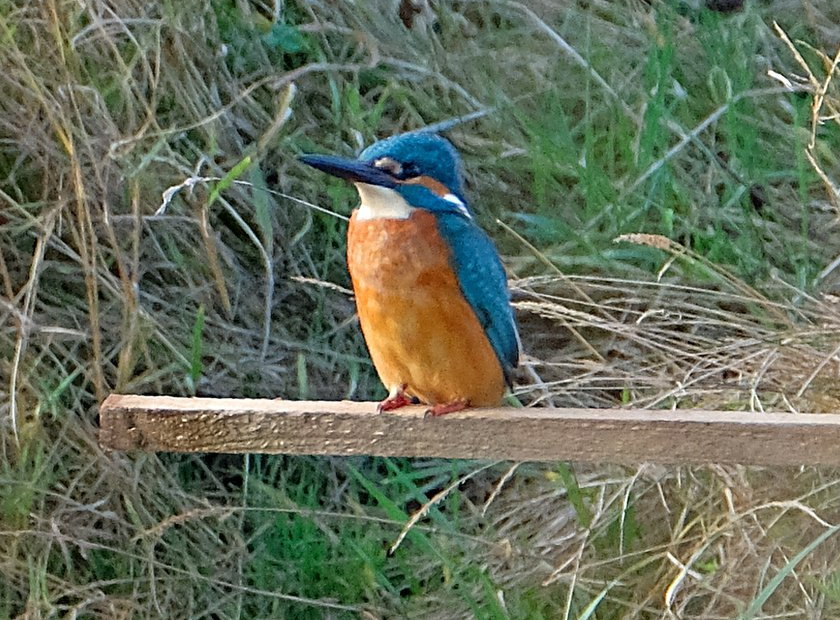
The Biel Burn runs into Belhaven Bay and attracts large numbers of birds. The SOC reports that rarer species recorded here include Avocet and Black Kite. Iceland and Glaucous Gulls have been recorded in winter months and Little Gulls have also been spotted. In the autumn, Spotted Redshank and Greenshank can sometimes be seen. Close to the sea wall, number of Little Stint and Curlew Sandpiper have been recorded. A Kingfisher is often spotted in the area, especially early in the morning before roaming dogs are about.
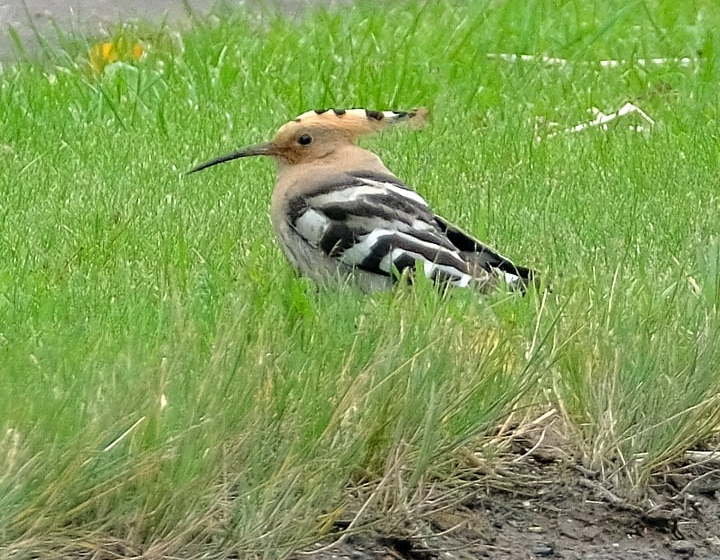
On 27 August 2020 a Hoopoe was spotted near Dunbar Trout Farm at the Thistly Cross roundabout. Sadly, this rare migrant from Africa was reported to have been run over and killed not long after the photo was taken.
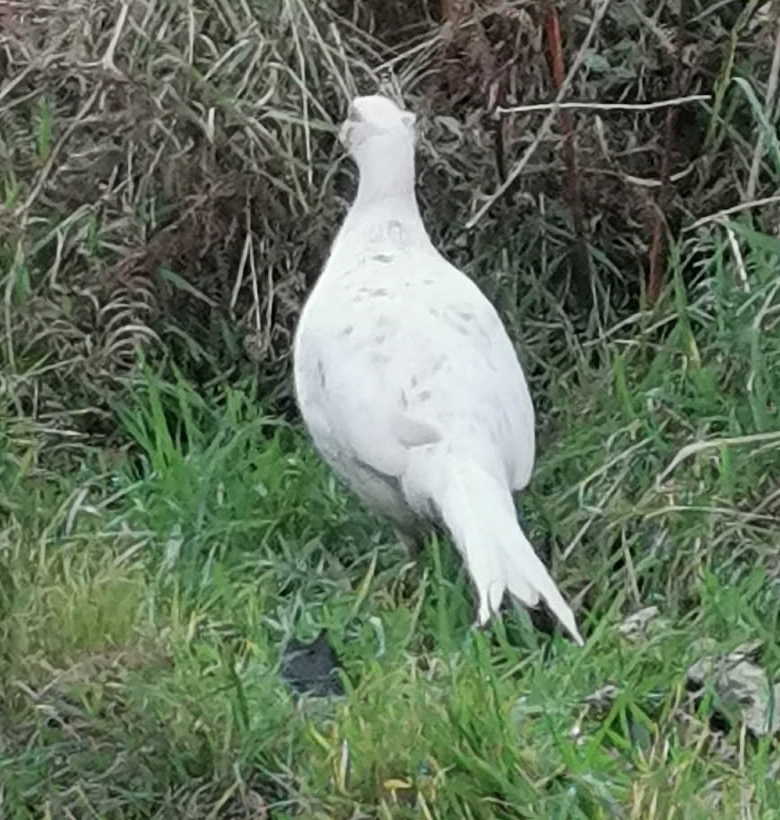
The eyes of this white pheasant could not be clearly seem, so it was believed to be leucistic rather than an albino
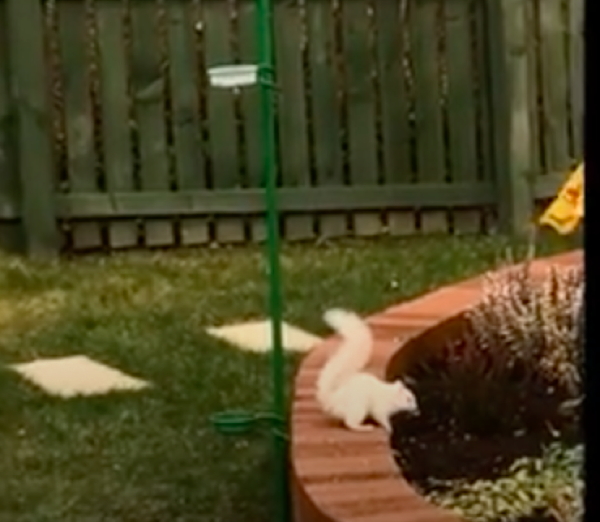
In December 2017, a rare leucistic grey squirrel (with black rather than red eyes) was spotted in Dunbar by Dr Alan Porter who said: “The pure white colour is due to a rare recessive mutation in the pigmentation pathway. Both normal (grey) squirrel parents must each carry one mutant copy of the gene to generate a white offspring.
“Our white beauty has black (not pink) eyes, so she is not an albino. As she has a black eye colour, the scientific name is leucism. A recent sighting in Pitlochry may be a white variant of the rarer red squirrel.”
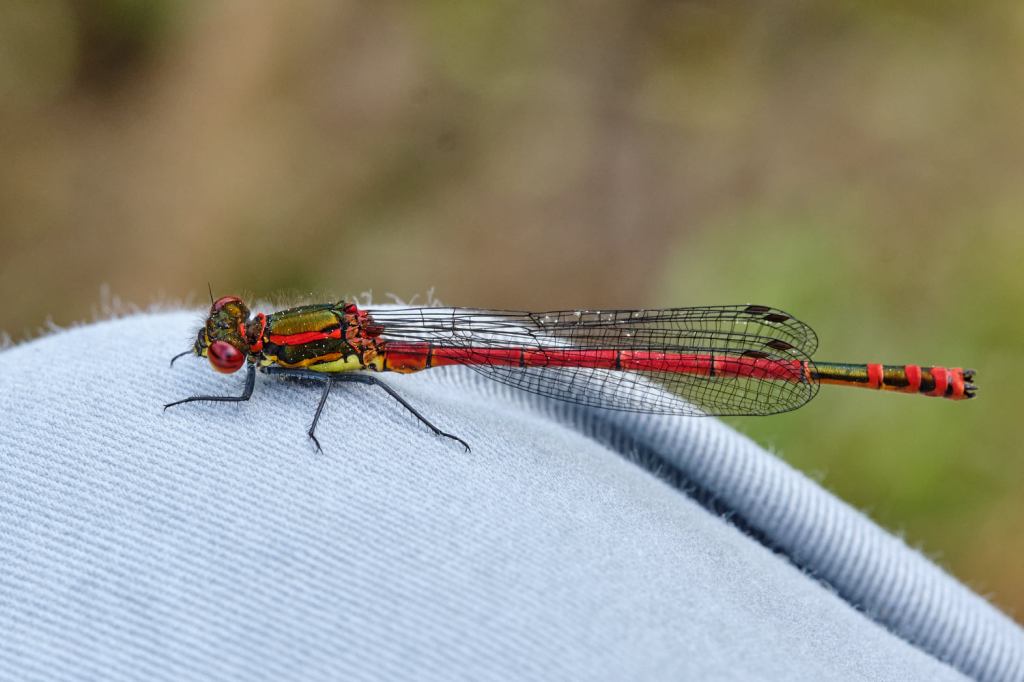
A large Red Damselfly was spotted at the John Muir Country Park on fifth June 2021 by Malcolm Quarrie.
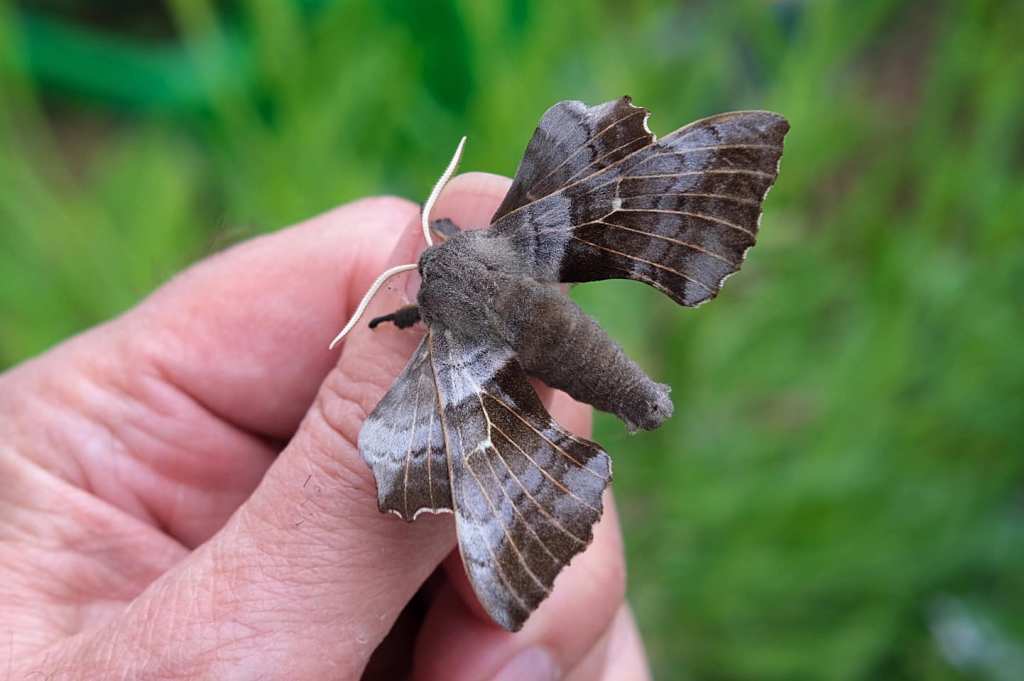
And, hot off the press, his Poplar Hawk Moth was photographed in Dunbar by Malcolm Quarrie on 9th June 2021.
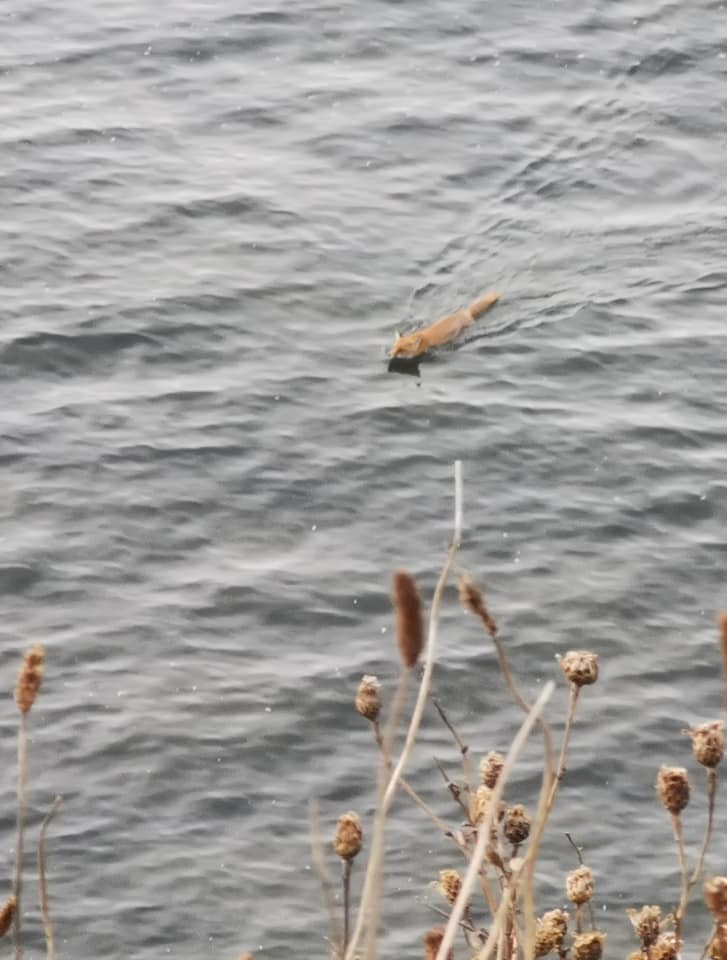
In December 2020, a fox was spotted from Winterfield lying on the rocks and was assumed to be injured until it got up and swam for shore.
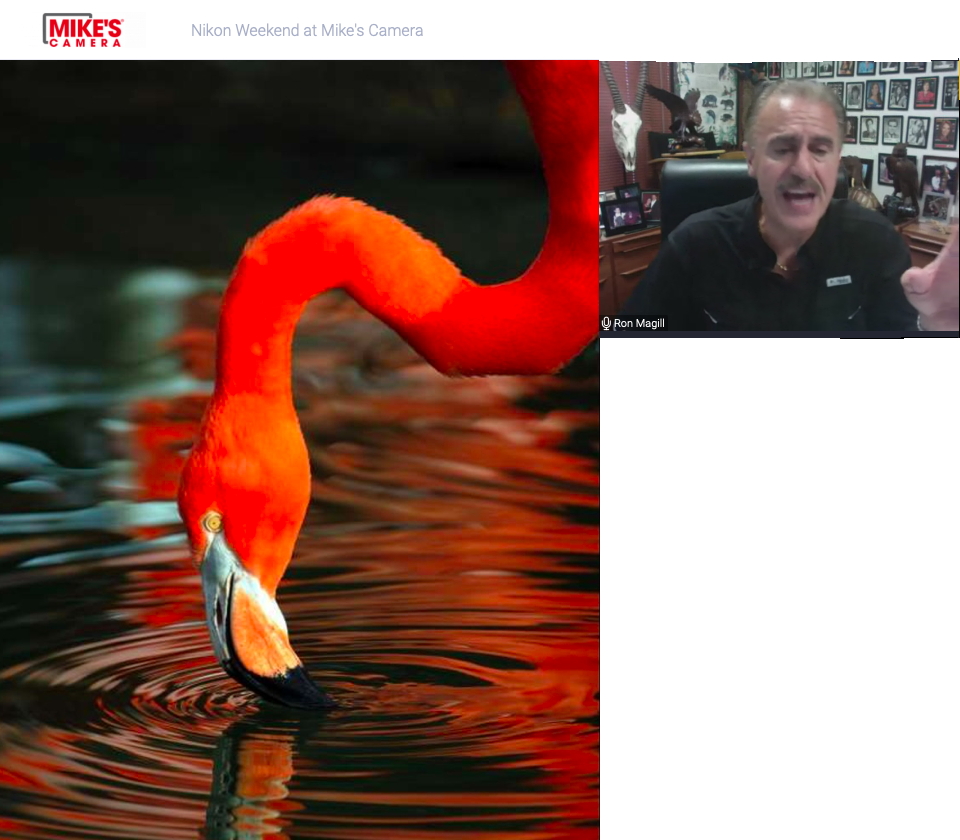
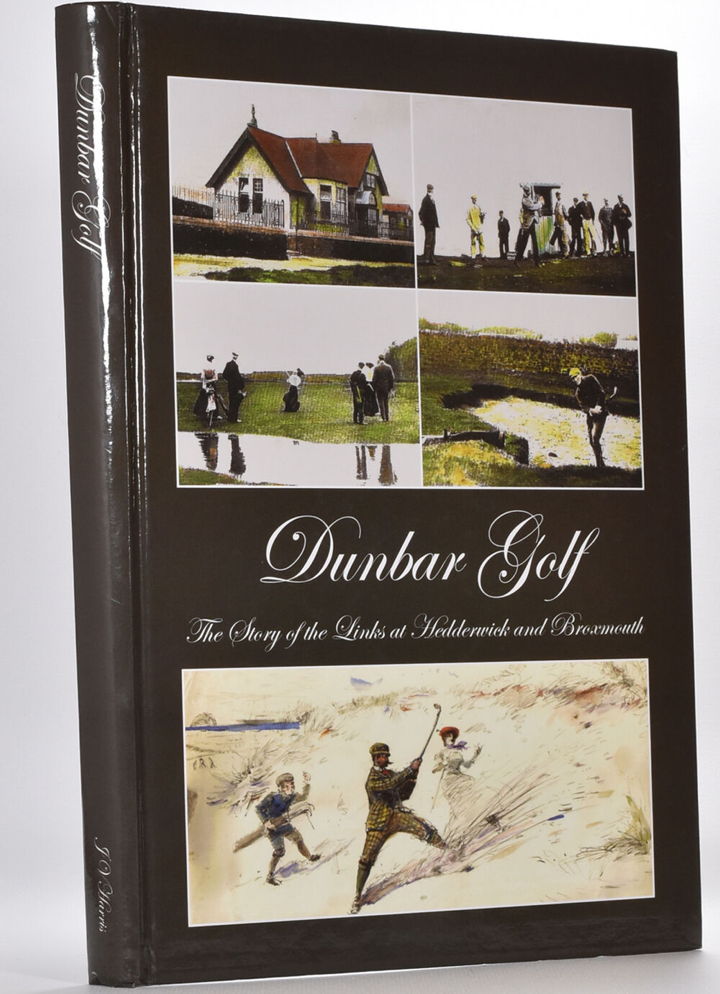
My father Allan Old’s own claim to fame in spotting an unusual bird regarded a flamingo as recounted in John Harris’ incredibly well-researched and detailed Dunbar Golf:
“Proof of global warning came from a bizarre quarter when a flamingo arrived at the Fluke Dub during the summer (of 1998), witnessed by Alan (sic) Old and Sophia Spiewak amongst others.” (The others included my mother who was playing golf with my father and also saw the flamingo.)
The flamingo was, thankfully, less territorial than a later, somewhat less rare, but much more aggressive, unexpected visitor:
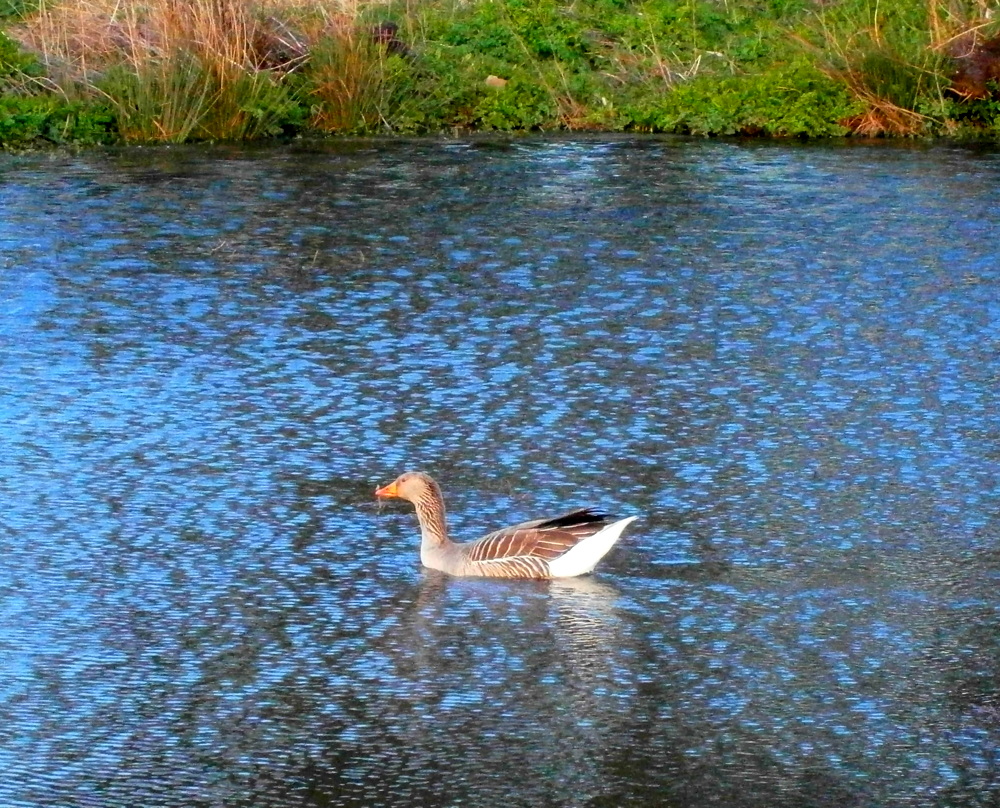
“In April 2004, Dunbar’s golfers were curious victims of poor etiquette from an unexpected quarter when a lone barnacle goose became detached from its flock and decided to effectively commandeer a part of the course. The terrorism persisted for several weeks, with all attempts to drive the bird from “its” territory met with outspread wings and an incessant squawk; so notorious were these bullying tactics that they achieved back page billing in The Scotsman.”
The greylag is the UK’s largest and most common resident goose with grey plumage and an orange bill. 140,000 resident birds are bolstered by 90,000 winter arrivals from Iceland with the core breeding population living in Scotland. The Barnacle, on the other hand, is a small goose with a creamy face, short bill and black neck. It winters in Scotland, Ireland and northern England after breeding in Greenland and Svalbard. There is a small resident breeding population of just 1,000 pairs that increases to 90,000 individuals in the winter.
 Vecchio