
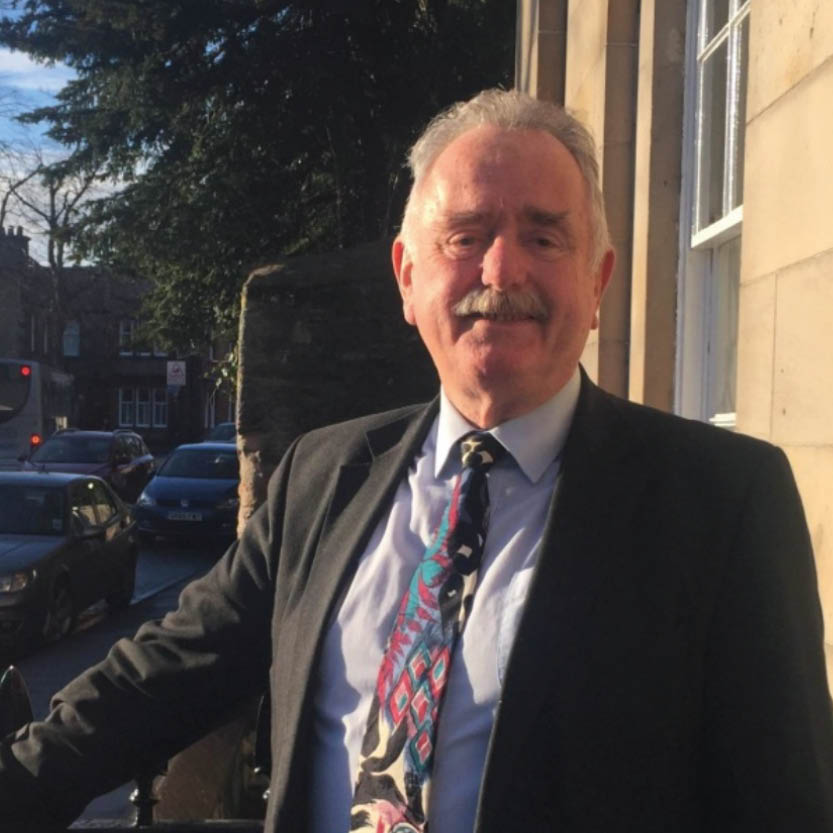
At the North Berwick Fringe By the Sea two years ago, I enjoyed a guided tour of North Berwick by David Berry, previously leader of East Lothian Council with Professor James Mitchell of Edinburgh University, both of whom I had known for over twenty years but never previously met face to face. Politics was naturally as much talked about as Noth Berwick and its history and one of those mentioned was Lord James Douglas Hamilton.
Conservative politician Lord James Douglas Hamilton was not only the son of a duke, a member of the Westminster and Holyrood parliaments, he is married to the granddaughter of John Buchan, author of the 39 Steps, and was briefly Earl of Selkirk, the most complicated of peerages.
Lord James Douglas Hamilton and his family
Lord James Douglas Hamilton, 11th Earl of Selkirk, Baron Selkirk of Douglas.
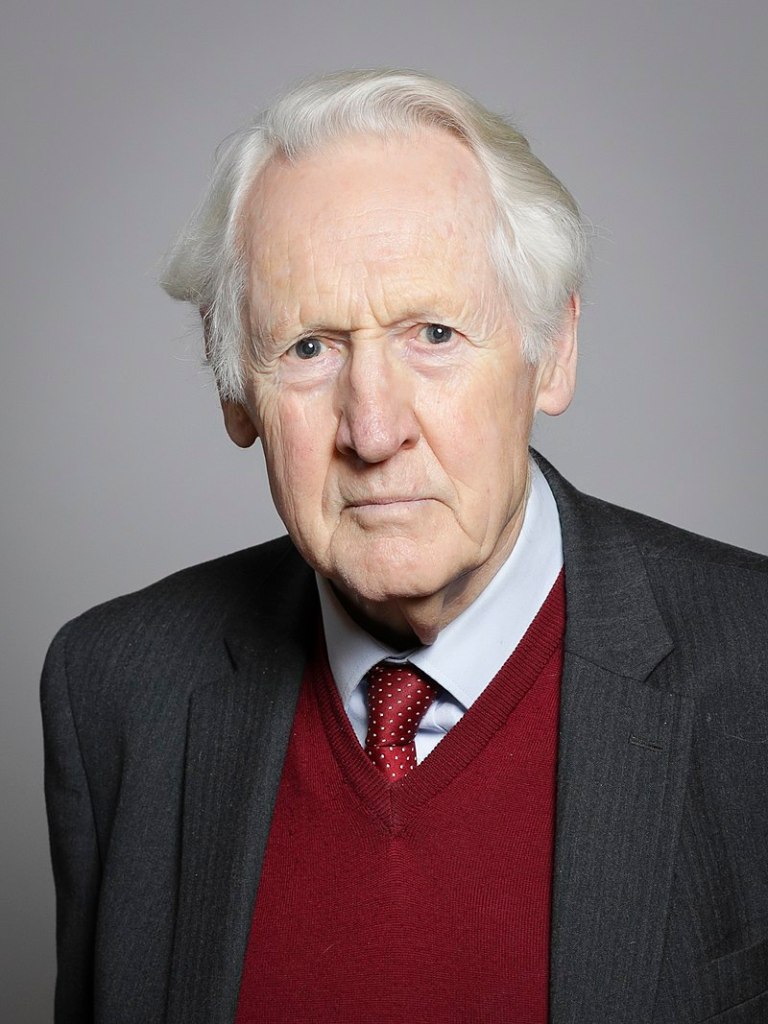
James Alexander Douglas-Hamilton, Baron Selkirk of Douglas, PC, QC (born 31 July 1942) is a Scottish Conservative politician who served as Member of Parliament for Edinburgh West and then as Member of the Scottish Parliament for the Lothians. Since 1997 he has been a member of the House of Lords as a life peer.
Lord James Douglas-Hamilton was born to the 14th Duke of Hamilton and the former Lady Elizabeth Percy. He was educated at Eton and Balliol College, Oxford where he was president of the Oxford Union, and thereafter at the University of Edinburgh.
He served as an advocate and an interim Procurator Fiscal Depute from 1968 to 1972. From 1972 to 1974, he was a councillor on Edinburgh District Council, and after unsuccessfully contesting Hamilton in February 1974, from October 1974 to 1997 he was Member of Parliament for Edinburgh West. During this time he served in the Scottish Office.
In the years between 1987 and 1995 he served as Parliamentary Under-Secretary of State for Scotland, and thereafter as Minister of State between 1995 and 1997. He had previously been a Lord Commissioner of the Treasury between 1979 and 1981. He was appointed a Privy Counsellor and Queen’s Counsel in 1996.
It was announced on 12 December 2011 that he would serve as Lord High Commissioner to the General Assembly of the Church of Scotland, who is the Sovereign’s personal representative to the Annual General Assembly of the Church of Scotland, in 2012.
In 1994 on the death of George Nigel Douglas-Hamilton, 10th Earl of Selkirk, Selkirk inherited the earldom, although the succession was disputed, as Alasdair Douglas-Hamilton, a nephew of the 10th Earl, claimed it, ultimately without success. Due to the terms of the Peerage Act 1963, Selkirk was considered to be unable to vote in the House of Commons until he had disclaimed the title, even though the succession to it had not been decided. As the Conservative government of the day had a small majority, he felt obliged to disclaim immediately.
After losing his seat in the 1997 general election, he was elevated to the House of Lords as a life peer, being created Baron Selkirk of Douglas, of Cramond in the City of Edinburgh.
From 1999 to 2007 he was a member of the Scottish Parliament and was deputy Convener of its Education Committee. In November 2005, Lord Selkirk of Douglas announced his intention to retire at the end of the 2003-2007 session of the Scottish Parliament. He continues to sit in the House of Lords, taking a particular interest in British legislation as it affects Scotland.
Lord Selkirk of Douglas is fifth in line to the Dukedom of Hamilton, after the sons and the brother of the present duke.
His wife: The Honourable Priscilla Susan Buchan
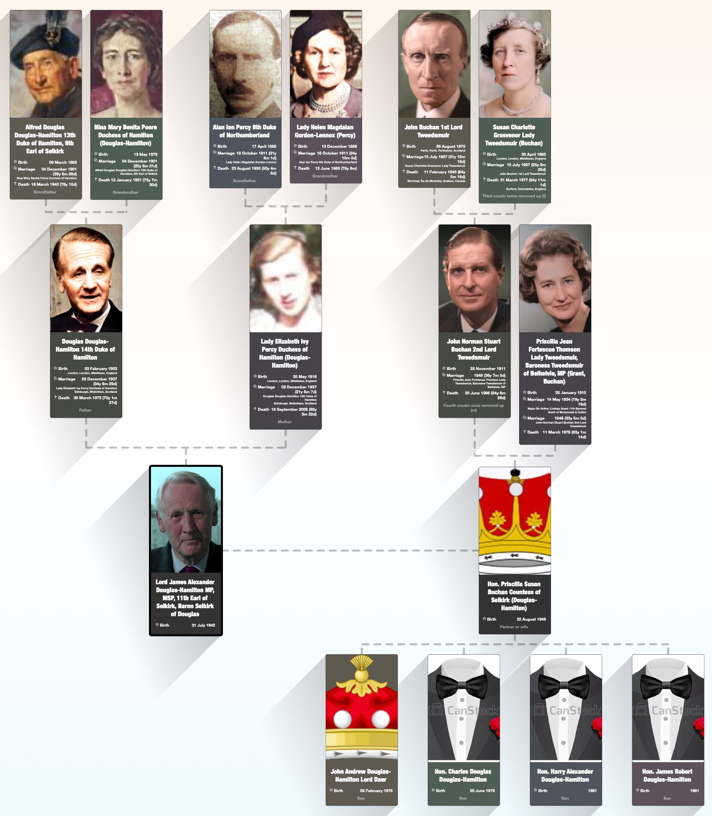
In 1974 Lord James Douglas Hamilton married the Hon. (Priscilla) Susan Buchan, a granddaughter of the politician and novelist John Buchan, and daughter of Lord Tweedsmuir and Lady Tweedsmuir. They have four sons of whom the eldest, John Andrew Douglas-Hamilton, Lord Daer and Master of Selkirk (b 1978) is heir apparent to the disclaimed Earldom of Selkirk.
His father: Douglas Douglas Hamilton, 14th Duke of Hamilton
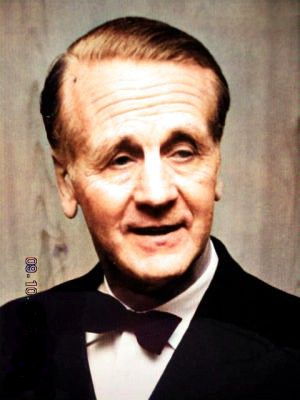
His mother: Lady Elizabeth Percy
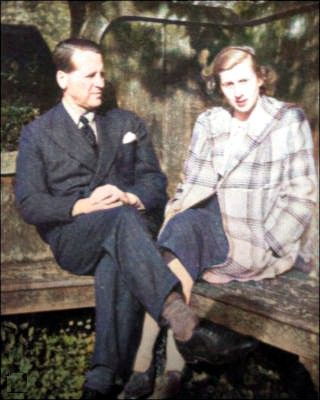
Elizabeth Ivy Douglas-Hamilton, Duchess of Hamilton, OBE, DL (25 May 1916 – 16 September 2008),was the daughter of Alan Percy, 8th Duke of Northumberland (1880–1930) and his wife, Helen.
She was born as Lady Elizabeth Ivy Percy at Alnwick Castle in Northumberland and spent her youth between there, Albury House in Surrey and Syon House in Middlesex. She was married in 1937 to Douglas Douglas-Hamilton (the then Marquess of Douglas and Clydesdale), who subsequently became the 14th Duke of Hamilton and 11th Duke of Brandon.
His paternal grandfather: Alfred Douglas-Hamilton, 13th Duke of Hamilton
Lieutenant Alfred Douglas Douglas-Hamilton, 13th Duke of Hamilton and 10th Duke of Brandon TD, DL (6 March 1862 – 16 March 1940) was a Scottish nobleman and sailor.
Hamilton was born at Shanklin, Isle of Wight, in 1862, the son of Captain Charles Douglas-Hamilton (1808–1873), a great-great-grandson of the 4th Duke of Hamilton. He served as a young man in the Royal Navy, and gained a reputation for being able to dive under the keels of the battleships on which he served, without any equipment, reappearing on the opposite side of the ship to the amazement of his crewmates. He was persuaded to leave in 1888 by his fourth cousin the twelfth Duke in 1890. There was a quite serious possibility that Alfred would provide a good match for the heirless twelfth duke’s daughter, Lady Mary. These hopes of maintaining continuity were dashed however in 1890, when Hamilton was partially paralysed by a rare tropical disease he had caught whilst on his last tour of duty. Hamilton recovered however and succeeded in 1895. Whilst inheriting all entailed property and assets from his cousin and a £1 million debt, a large share of the Hamilton lands and properties went to Lady Mary, latterly the Duchess of Montrose. The properties that left the Hamilton family at this time included Brodick Castle on Arran, which had been owned by the Hamiltons for 500 years.
One property that did not leave the family was Hamilton Palace, the main family seat. However, the Duke had offered the palace to the Navy during World War I for use as a hospital. Following the end of the war it was considered necessary to demolish it due to subsidence, blamed on the family’s own coal mines. Hamilton moved to Dungavel House, which had previously been a Hamilton shooting lodge on moorland close to Strathaven.
The 13th Duke of Hamilton was honorary lieutenant-colonel of the 4th Battalion, Highland Light Infantry and also honorary colonel of the 6th Battalion, the Cameronians (Scottish Rifles).
The 13th Duke of Hamilton died shortly after his 78th birthday, on 16 March 1940 at the family’s property in Dorset, Ferne House.
His maternal grandfather: Alan Percy, 8th Duke of Northumberland
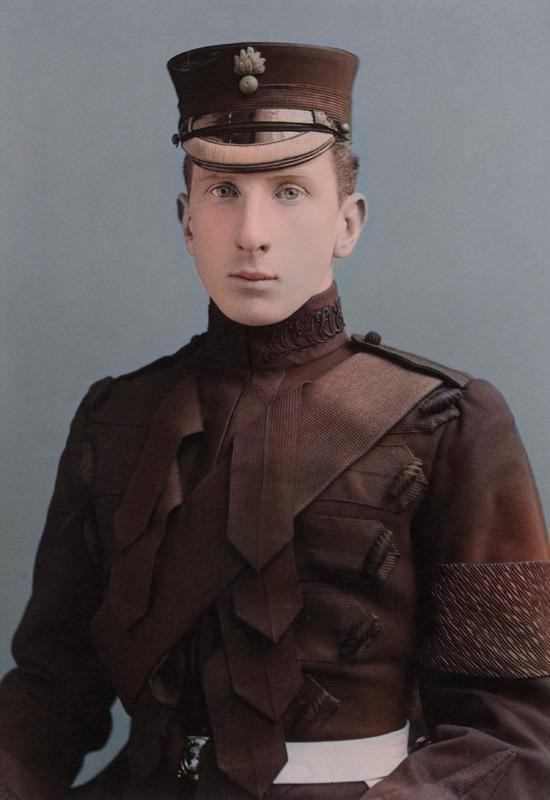
Alan Ian Percy, 8th Duke of Northumberland, KG, CBE, MVO, TD (17 April 1880 – 23 August 1930) was a British peer, army officer, and newspaper proprietor.
Percy was the son of Henry Percy, 7th Duke of Northumberland, and Lady Edith Campbell. On 18 October 1911, Percy married Lady Helen Magdalan Gordon-Lennox (daughter of Charles Gordon-Lennox, 7th Duke of Richmond). They had six children including Lady Elizabeth Ivy Percy (25 May 1916–16 September 2008) who married Douglas Douglas-Hamilton, 14th Duke of Hamilton on 02 December 1937.
His father-in-law: John Buchan, 2nd Lord Tweedsmuir
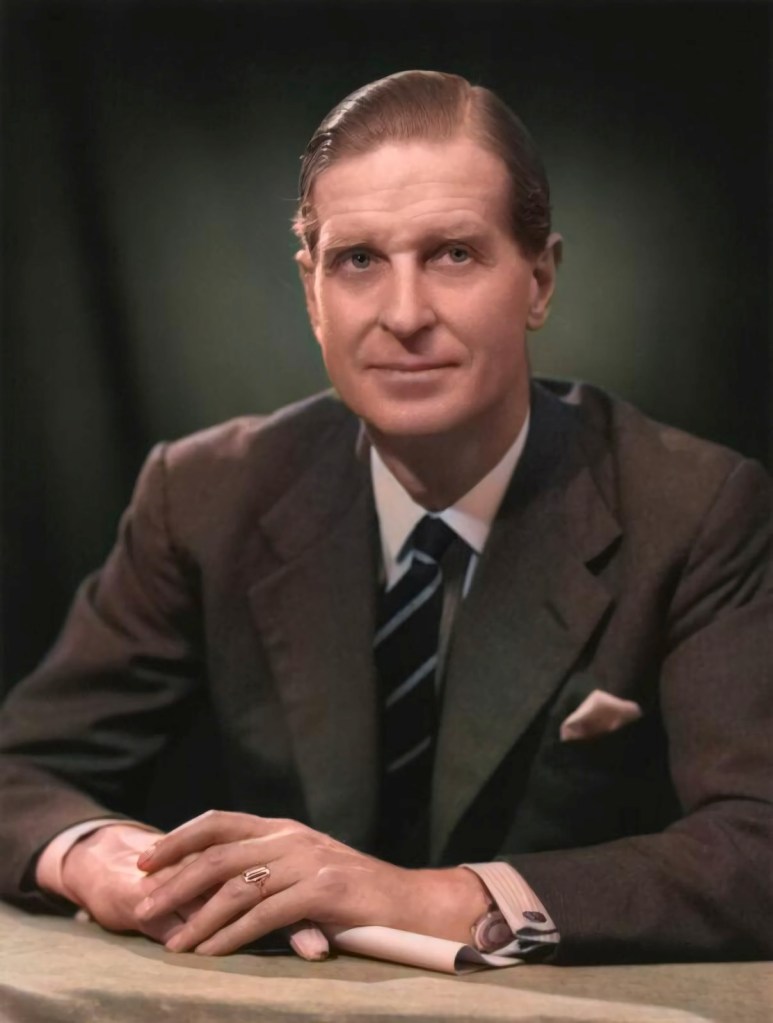
John Norman Stuart Buchan, 2nd Baron Tweedsmuir CBE, CD, FRSE, FRSA (25 November 1911 – 20 June 1996), commonly called Johnnie Buchan, was a Scottish peer and the son of the novelist John Buchan, 1st Baron Tweedsmuir. He was a colonial administrator and naturalist, but also a true-life adventurer. He has been described as a “brilliant fisherman and naturalist, a gallant soldier and fine writer of English, an explorer, colonial administrator and man of business.”
He was born in London the son of Baron Tweedsmuir and Susan Grosvenor. He was educated at Eton and in 1930 he went to Brasenose College, Oxford, where he graduated with a fourth class degree in History. While at Brasenose College he was an active member of the Brasenose College Boat Club, and rowed in the College’s 1st Torpid. As an undergraduate, he was also a close friend of John Gorton.
He married Priscilla Grant, widow of Sir Arthur Grant of Monymusk. She died of cancer in 1978. He remarried in 1980 to Lady Jean Grant.[5]
With Priscilla, who sat in the House of Lords suo jure as The Baroness Tweedsmuir of Belhelvie, they jointly created the Protection of Birds Act 1954.
His mother-in-law: Priscilla Thomson, Lady Grant, Lady Tweedsmuir, Baroness Tweedsmuir of Belhelvie.
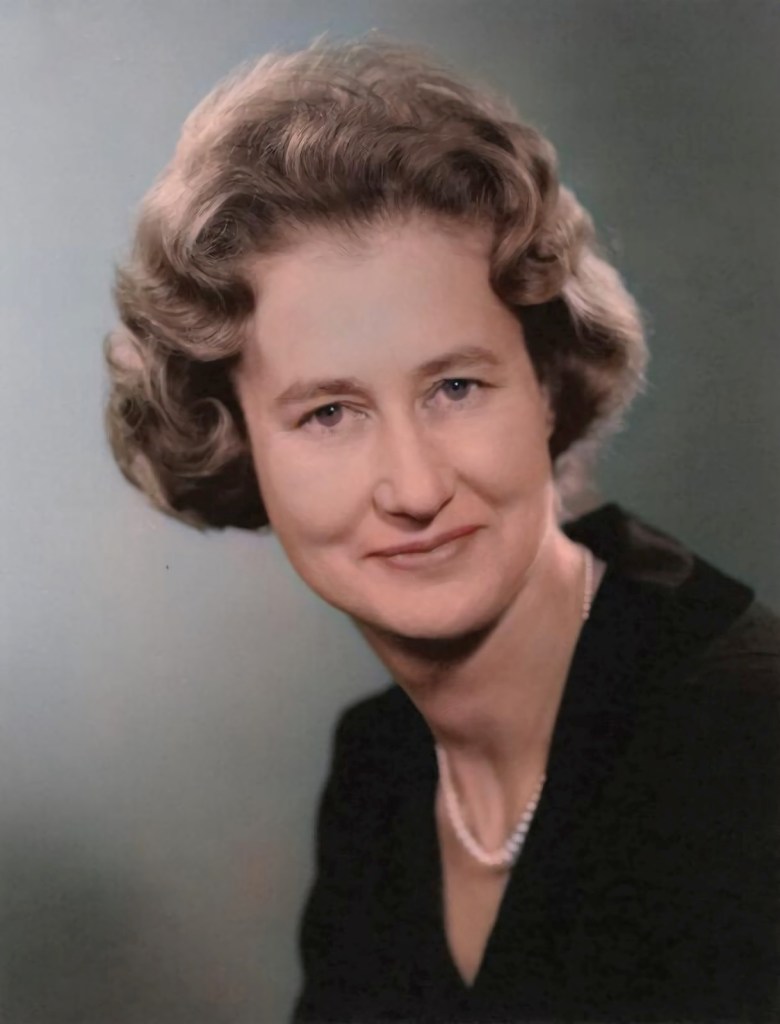
Priscilla Jean Fortescue Buchan, Baroness Tweedsmuir of Belhelvie, also known as Lady Grant of Monymusk, PC (née Thomson; 25 January 1915 – 11 March 1978), was a Unionist and Conservative politician.
The daughter of Brigadier Alan F. Thomson DSO, she married Major Sir Arthur Lindsay Grant, 11th Baronet, Grenadier Guards, in 1934. He was killed in action in 1944. She subsequently married author and politician the 2nd Baron Tweedsmuir in 1948.
Lady Tweedsmuir was an unsuccessful parliamentary candidate for Aberdeen North in July 1945, and was elected for Aberdeen South in 1946, holding the seat until 1966 when she was defeated by Donald Dewar, the future Labour First Minister of Scotland. She consistently polled at least 50% of the vote with the exception of her defeat in 1966, a feat never achieved by any succeeding candidates in the constituency. She was a delegate to the Council of Europe from 1950 to 1953, a UK Delegate to the General Assembly of the United Nations, 1960–1961; Joint Parliamentary Under-Secretary of State for Scotland from 1962 to 1964.
On 1 July 1970 she was created a life peer as Baroness Tweedsmuir of Belhelvie, of Potterton in the County of Aberdeen. Tweedsmuir was Minister of State at the Scottish Office from 1970–1972 and at the Foreign and Commonwealth Office from 1972–1974 and was sworn of the Privy Council in 1974. In the House of Lords she served as Principal Deputy Chairman of Committees, 1974–1977, and as Chairman of the Select Committee on European Communities, 1974–1977. She was also a Deputy Speaker.
She died of cancer in 1978, aged 63. She was mentioned several times in the 2014 Loyal Address to Parliament on 04 June in the House of Commons by Penny Mordaunt. In 1983, the veteran Labour politician Emanuel Shinwell stated Tweedsmuir was ‘the best’ female MP Britain had had.
Grandfather-in-law: John Buchan, 1st Baron Tweedsmuir
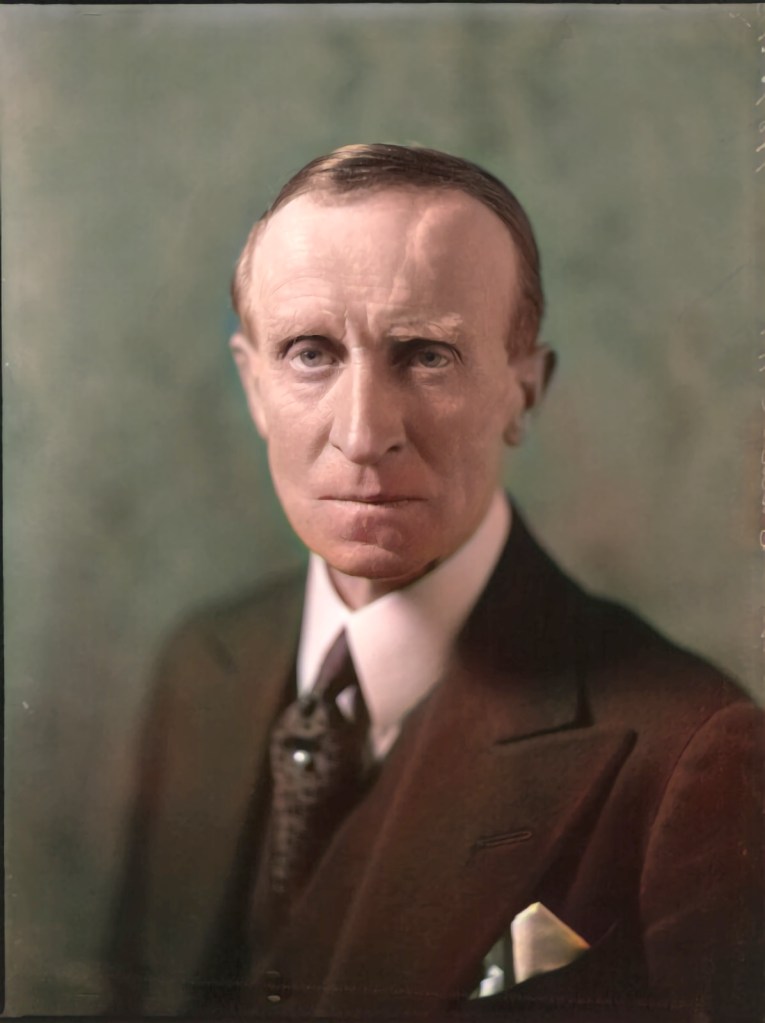
John Buchan, 1st Baron Tweedsmuir GCMG GCVO CH PC DL (26 August 1875 – 11 February 1940) was a Scottish novelist, historian, and Unionist politician who served as Governor General of Canada, the 15th since Canadian Confederation.
After a brief legal career, Buchan simultaneously began his writing career and his political and diplomatic careers, serving as a private secretary to the administrator of various colonies in southern Africa. He eventually wrote propaganda for the British war effort during World War I. He was elected Member of Parliament for the Combined Scottish Universities in 1927, but he spent most of his time on his writing career, notably writing The Thirty-Nine Steps and other adventure fiction.
In 1935, King George V, on the advice of Prime Minister R. B. Bennett, appointed Buchan to replace the Earl of Bessborough as Governor General of Canada, for which purpose Buchan was raised to the peerage. He occupied the post until his death in 1940.
Buchan was enthusiastic about literacy and the development of Canadian culture, and he received a state funeral in Canada before his ashes were returned to the United Kingdom.
The Earldom of Selkirk itself will be examined in a later post.
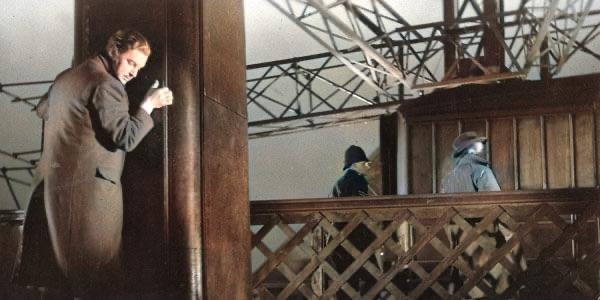
Alfred Hitchcock’s 1935 thriller gets an update in this modern trailer. Richard Hannay is a man on the run, fleeing to Scotland, accused of a murder he never committed. He needs to expose the spies and the 39 Steps to prove his innocence and clear his name – whether he’s handcuffed to a beautiful girl or not.
 Vecchio