

After a long pause, only interrupted by the devil’s tattoo, which Bucklaw kept beating against the hearthingate with the toe of his boot, Craigengelt at last ventured to break silence. “May I be double distanced,” said he, “if ever I saw a man in my life have less the air of a bridegroom! Cut me out of feather, if you have not more the look of a man condemned to be hanged!”
Sir Walter Scott » The Bride of Lammermoor » Chapter 28

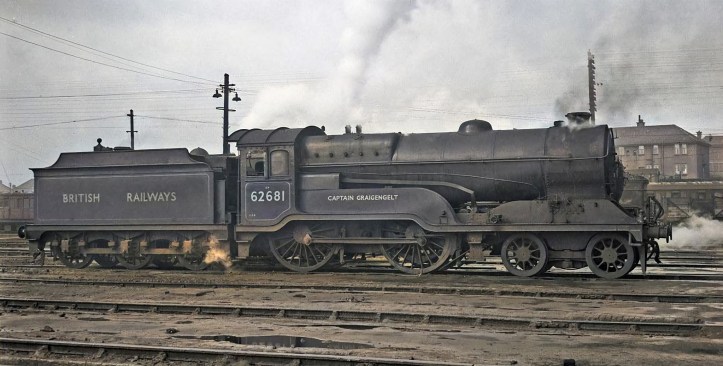
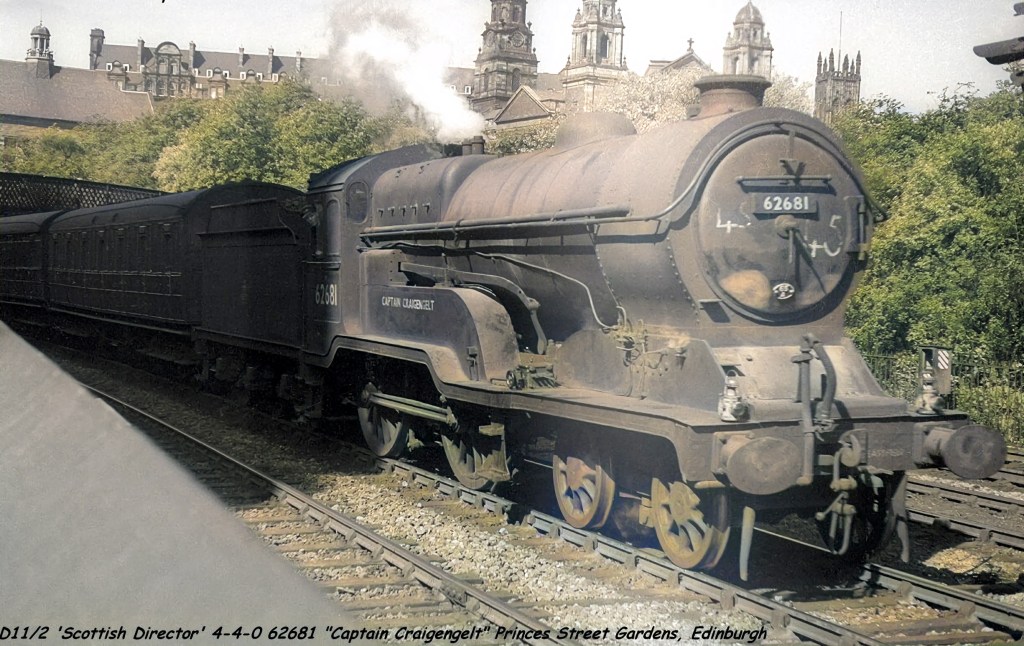
The Dunbar Hotel The Rocks was for many years known as the Craig En Gelt.
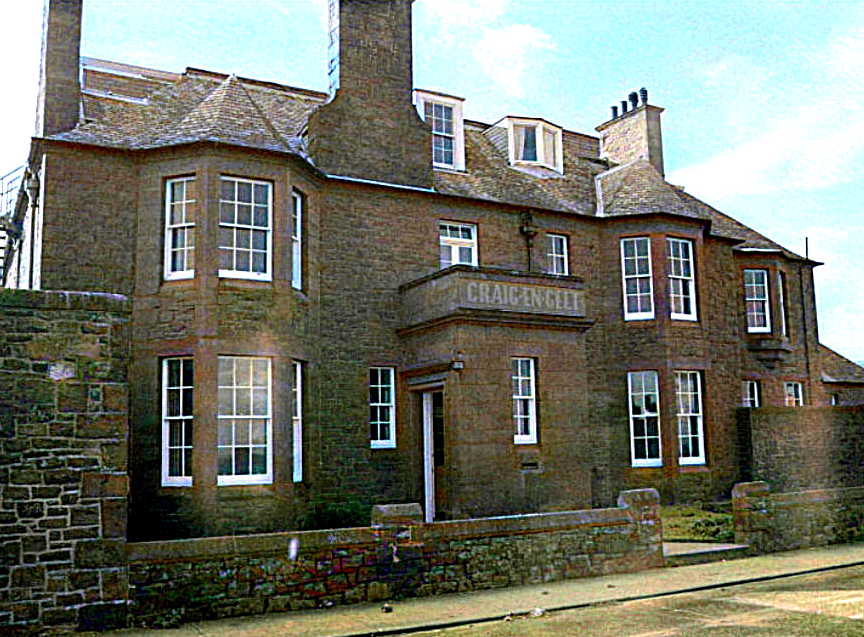
I always assumed that the name was a homage to Captain Craigengelt, a character in Sir Walter Scott‘s Bride of Lammermoor, however some locals seemed to believe that it was named after the Craigs who turned the building into a hotel.
It was local historian Roy Pugh who revealed that we were all wrong. The house had been built by Captain George Miller Wingate, cousin of General Sir Reginald Wingate, and the house was named after Craigengelt in Stirlingshire, the ancestral home of the Wingate family.

Courtesy of ScotlandsPlaces.
Name: Craigengelt.
Authorities: John DicK Provost, Revd Robert Paisley, Ebenezer Johnstone, Valuation Roll for 1855-6, Grassom’s County Map, Johnston’s County Map, Statistical Account.
Situation: 023.05
Description remarks: A Farmsteading 2 storeys, slated and in good repair, property of John Dick, Provost, Stirling.
On the same page, Craigengelt Hill is described as: A hill of no great elevation, partly rough and partly heathy pasture. On the west it drops rather abruptly towards the Earl’s Burn, but in every other direction it falls off with a gradual slope. Property of John Dick, Provost, Stirling.

“The Scottish branch of his family originated in Stirlingshire, probably in the twelfth century. Two centuries before Wingate’s birth, the family had been minor landowners in the vicinity of Craigengelt and Gargunnock in Saint Ninian’s Parish, Stirlingshire.” Wingate Pasha by Roy Pugh.
Reginald Wingate’s cousin Captain George Miller Wingate may have been the first of the family to visit Dunbar as he took the tenancy of Number Eleven, Marine Road in 1900 and some time prior to 1905, he built Craigengelt next door. Wingate Pasha by Roy Pugh.
“In 1920, Craigengelt House passed to the Craig family who turned it into a fine hotel; many local people erroneously believed the hotel was named for Tom and Emily Craig. Today the building is still a hotel, known as The Rocks for the fine view it has of the entrance to Dunbar Harbour.” Wingate Pasha by Roy Pugh.

The Craigengelt in Dunbar is now called The Rocks.
 Vecchio