


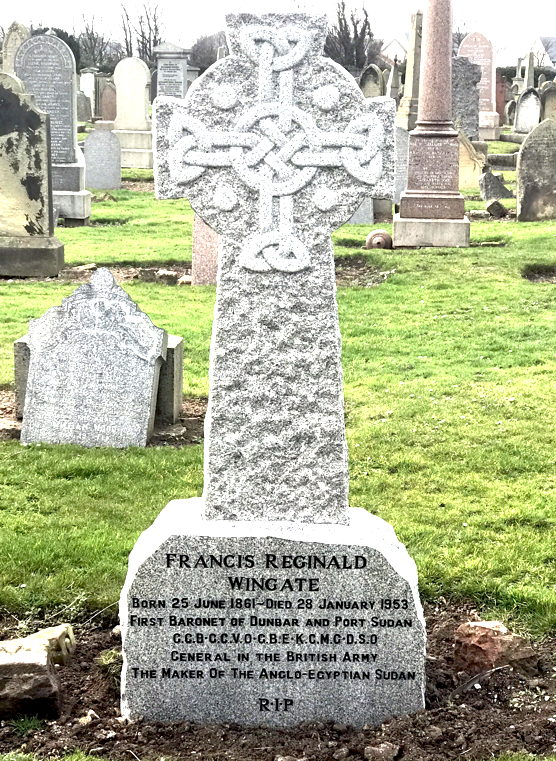
General Sir Francis Reginald Wingate, 1st Baronet of Dunbar and Port Sudan, GCB, GCVO, GBE, KCMG, DSO, DL, TD (25 June 1861 – 29 January 1953) was a British general and administrator in Egypt and the Sudan. He earned the nom de guerre Wingate of the Sudan.
Wingate was born at Port Glasgow, Renfrewshire (now Inverclyde), the seventh son of Andrew Wingate, a textile merchant of Glasgow, and Elizabeth, daughter of Richard Turner of Dublin. His father died when he was a year old, and the family, in straitened circumstances, moved to Jersey, where he was educated at Saint James’s Collegiate School.
After a successful military career including Governor-General of the Sudan and Sirdar of the Egyptian Army from 1899 to 1916, he was British High Commissioner in Egypt from 1917 until 1919, when he retired from public life to Dunbar in East Lothian where he had built Knockenhair House in 1907. A ken golfer, he had a successful business career until he died in 1953.

Wingate Pasha by Roy J. M. Pugh is the first biography of an eminent Scottish soldier-statesman who contributed much to the development of the Sudan and Egypt during the late 19th and early 20th centuries.
It tells the story of a man from an impoverished background with a rudimentary education who nonetheless mastered several foreign languages including Arabic. In 1884, Wingate joined the expeditionary force to relieve Khartoum, which arrived two days too late, General Gordon having been murdered.
As Kitchener’s Military Intelligence Officer, Wingate was instrumental in assisting Kitchener to recover Sudan from Dervish domination. As Governor-General of the Sudan, Wingate’s enlightened administration brought unprecedented political, social and economic prosperity to the Sudanese people.
In the First World War, Wingate played a leading role in organising the Arab Revolt against the Turks, although it was his subordinate, T E Lawrence (of Arabia) who received the acclaim.
After the war, as High Commissioner of Egypt, he continued to seek justice for the Egyptian people at the Paris Peace Conference which led to the signing of the Treaty of Versailles in 1919.
Knockenhair House
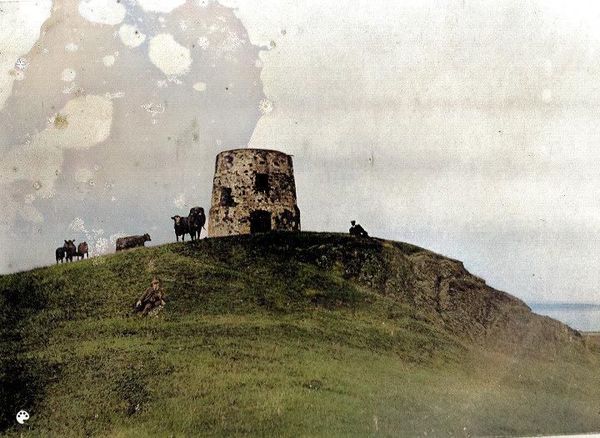


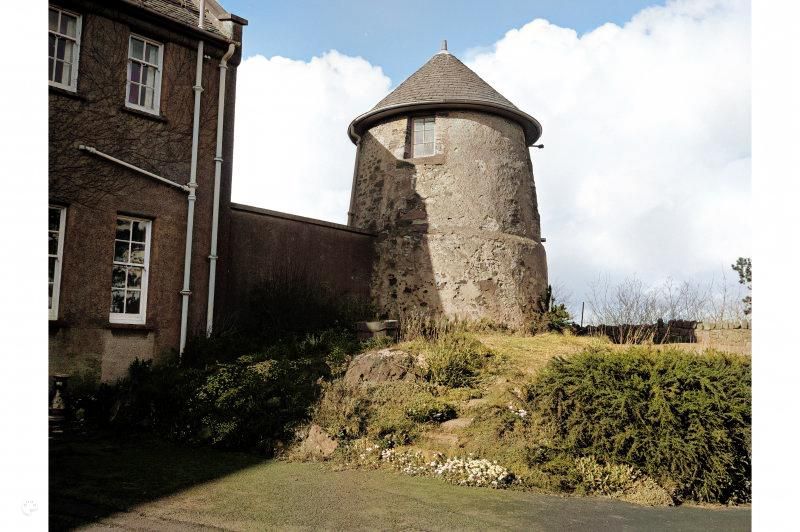
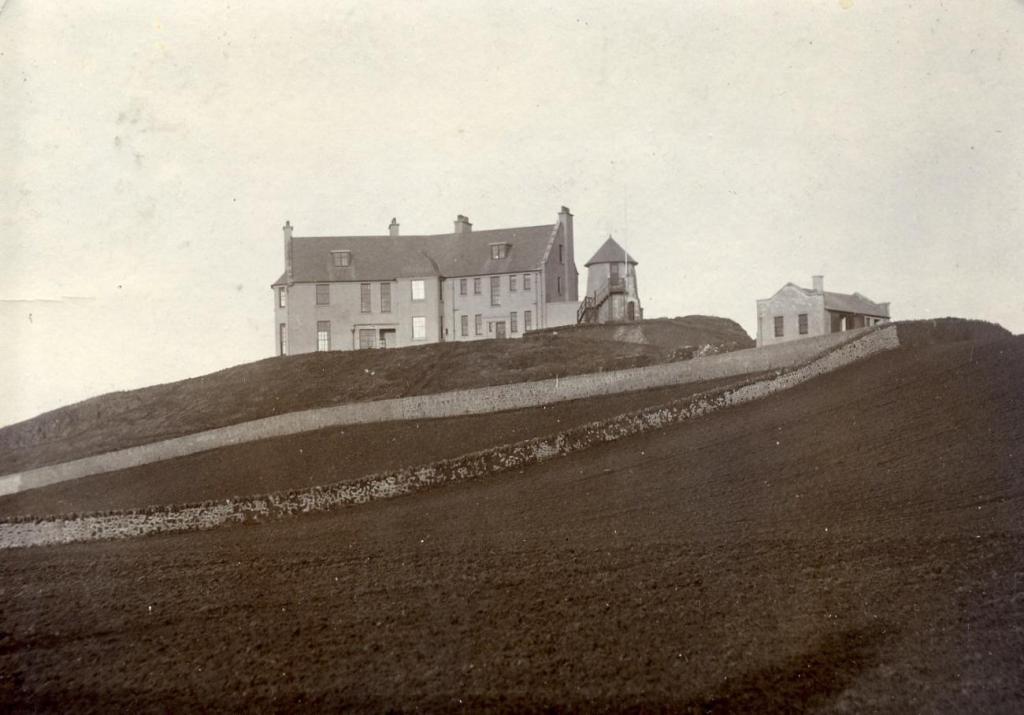

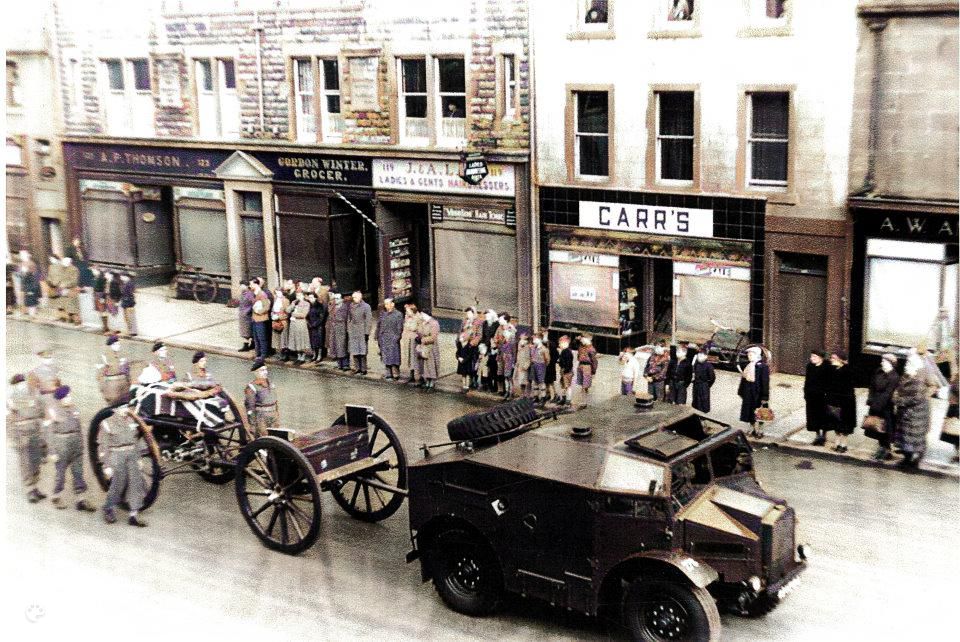

In 1962 following an overspill agreement with Glasgow, 157 houses were built in Dunbar beside General Wingate’s old home of Knockenhair in what was known as the “Electric scheme“. General Wingate was commemorated when one of the streets was named Wingate Crescent.

General Wingate is also commemorated in Wingate’s skink, which is endemic to Ethiopia and Sudan. Its scientific name is, Trachylepis wingati.

General Sir Reginald Wingate in his garden at Dunbar in 1937.
 Vecchio